News report
Ukraine Faces 11.7 Million Tons of Reconstruction Waste
Ukraine accumulates approximately 11.7 million tons of waste from destruction due to Russian aggression, with 8.2 million tons suitable for recycling. This information comes from a report prepared by UNDP in Ukraine.
Share this article
Share to social platforms, or copy the article link and share text manually.
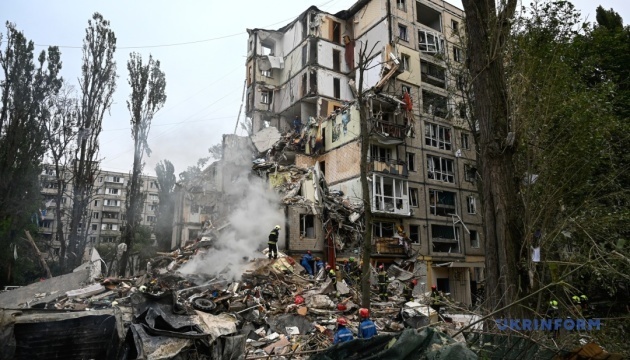
Photo: Ukrinform UA
At a glance
- Approximately 11.7 million tons of waste from destruction reported.
- Up to 70% of the waste could be recycled, equating to 8.2 million tons.
- A total of 50 types of products can potentially be manufactured from recycled materials.
- Establishing a recycling market involves regulatory, infrastructure, and investment improvements.
- Ukraine's collaboration with Japan aims to enhance waste management systems through 2029.
Why it matters
Recycling construction waste is crucial for Ukraine's rebuilding efforts, reducing environmental impact and creating economic opportunities. It enables the repurposing of materials while alleviating pressure on landfill sites.
https://www.ukrinform.ua/rubric-vidbudova/4132095-v-ukraini-117-miljona-tonn-vidhodiv-vid-rujnuvan-70-mozna-pererobiti-dla-vikoristanna-u-vidbudovi.html
What Happened
A recent report indicates that Ukraine has generated around 11.7 million tons of waste stemming from destruction caused by ongoing Russian military actions. This figure incorporates various forms of debris from damaged and destroyed residential buildings across the country, as noted by the Ministry of Communities and Territories Development.
As of September 2025, the total waste in areas controlled by Ukraine amounts to approximately 17.2 million tons. This waste includes debris from both partial and total building collapses.
While some of this waste has been removed and placed in landfills, about 11.7 million tons is still pending clearing, sorting, and further recycling.
Key Details
The study from UNDP, referenced by the ministry, highlights that with the right organization, up to 70% of this waste—equating to nearly 8.2 million tons—could be recycled and repurposed for reconstruction needs. The potential for recycling these materials opens avenues to generate a variety of construction resources.
In total, the findings identify 50 types of products that could be produced using recycled construction debris. These products include essential building materials such as cement, commercial concrete, and precast concrete elements.
Developing a recycling system for destruction waste would not only diminish pressure on landfills and natural resources but also provide additional material sources for Ukraine's extensive rebuilding efforts. Experts emphasize that establishing a recycling market requires specific steps to ensure its viability from 2026 to 2028.
Proposed measures include enhancing regulatory frameworks, developing standards for the use of recycled materials, investing in recycling infrastructure, engaging the private sector, and implementing mechanisms for green public procurement.
Why It Matters
The recyclable material from reconstruction waste can significantly contribute to Ukraine’s rebuilding efforts post-conflict. By effectively recycling, Ukraine could reduce environmental impact while creating a sustainable supply chain for rehabilitation.
Developing a robust recycling industry also facilitates economic opportunities and resource efficiency as the country aims to recover from extensive infrastructural damage.
Background
As the conflict continues, recovery plans prioritize not just rebuilding but doing so sustainably. Ukraine's collaboration with Japan regarding waste management and recycling initiatives is a cornerstone of developing comprehensive policies in this sector for the years ahead.
Recent discussions have extended project timelines to 2027-2029, focusing on creating a systematic approach to waste management. Overall, this report underscores the importance of strategic planning in handling the vast amounts of debris generated, emphasizing sustainable practices.
Source: Ukrinform UA
This report is maintained as a live newsroom article. Headlines and top paragraphs may be tightened when fresh reporting changes the clearest angle.
Newsletter
Get the next major Ukraine report
Follow the strongest verified developments with a cleaner newsroom brief and direct follow-up coverage.
Report format
Fast lead first, then fuller context.
Source photo stays distinct from any illustration.
Related coverage stays inside the same reporting thread.