News report
Ukraine Demands Russia Open Archives on Soviet Crimes
On May 17, 2026, Ukraine's Foreign Ministry demanded that Russia open its archives concerning crimes committed by the Soviet regime. The statement coincides with the observance of the Day of Remembrance of Political Repression Victims.
Share this article
Share to social platforms, or copy the article link and share text manually.
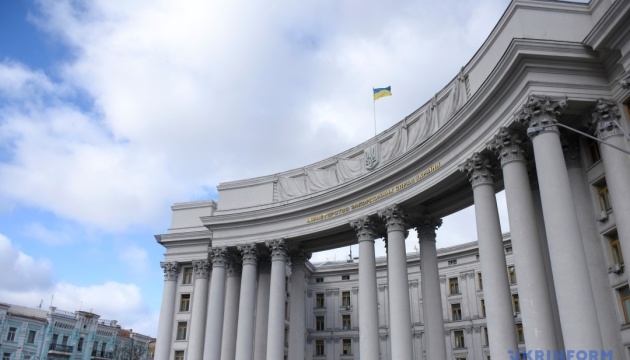
Photo: Ukrinform UA
At a glance
- Ukraine's Foreign Ministry demands Russia open archives on Soviet crimes.
- The statement coincided with the Day of Remembrance for Political Repression Victims.
- Ukraine links historical impunity to ongoing Russian atrocities.
- Calls for international support for independent historical investigations.
- The Ministry emphasizes the importance of acknowledging past suffering for future peace.
Why it matters
The demand for archival transparency is critical for recognizing historical injustice and ensuring accountability for both past and ongoing crimes. It emphasizes the role of historical memory in contemporary conflicts, particularly in Ukraine's struggle against Russian aggression.
https://www.ukrinform.ua/rubric-polytics/4124376-ukraina-vimagae-vid-rf-vidkriti-arhivni-dokumenti-sodo-zlociniv-radanskogo-rezimu.html
What Happened
Ukraine's Ministry of Foreign Affairs issued a statement on May 17, 2026, calling on Russia to make public its archives related to the crimes of the Soviet regime. This demand aligns with events marking the Day of Remembrance of Victims of Political Repression, emphasizing the historical weight of these crimes on Ukraine’s national identity.
In its statement, the Ministry expressed condolences to the millions who suffered under the Soviet regime through repression, persecution, torture, and arrests. Specific locations such as Babi Yar and others serve as reminders of the historical trauma endured by many.
Key Details
The Ministry highlighted that many crimes of the Soviet regime remain unpunished and unexplored. It asserted that this culture of impunity has contributed to ongoing atrocities committed by Russia in the current conflict against Ukraine.
The Ministry called for the international community to remember the victims and condemn the atrocities committed by the Soviet regime, demanding accountability for both past and present crimes. Furthermore, the statement urged the global community to support independent historical research.
It emphasized the need to counteract historical manipulations by Russia that seek to deny or downplay these crimes, asserting that revealing these truths is crucial for restoring historical justice.
Why It Matters
This appeal highlights an ongoing battle for historical recognition and accountability, which Ukraine links directly to the current acts of aggression by Russia. Understanding the full extent of Soviet-era crimes could foster a more informed discussion about justice and reconciliation in the present-day context.
Yet, the call for transparency also serves as a broader message about the importance of collective memory in shaping Europe’s future. By pushing for the release of such documents, Ukraine aims to ensure that the lessons of the past are not forgotten.
Background
Every third Sunday in May, Ukraine observes the Day of Remembrance for Victims of Political Repression, a poignant reminder of the lasting effects of historical trauma. Estimates suggest that nearly 1.5 million people were repressed in Ukraine from the 1920s until the end of the 1980s under Soviet rule.
The commemoration underlines the urgency for historical accountability and the restoration of dignity for victims. Ukraine's Foreign Ministry pointed out the necessity of justice mechanisms, including the Special Tribunal, compensation commissions, and investigations by international courts.
Officials argue that without addressing these historical grievances, lasting peace and security in Europe remain unachievable. The call for Russia to cease hiding the truth reflects a broader imperative for accountability in international relations.
Source: Ukrinform UA
This report is maintained as a live newsroom article. Headlines and top paragraphs may be tightened when fresh reporting changes the clearest angle.
Newsletter
Get the next major Ukraine report
Follow the strongest verified developments with a cleaner newsroom brief and direct follow-up coverage.
Report format
Fast lead first, then fuller context.
Source photo stays distinct from any illustration.
Related coverage stays inside the same reporting thread.