Breaking news
Ukraine Defends Against Russian Drone and Missile Attacks
On April 17, 2026, Ukraine's air defense intercepted 147 drones deployed by the Russian military, according to the Ukrainian Armed Forces. The attack included one ballistic missile and involved multiple locations across the country.
Share this article
Share to social platforms, or copy the article link and share text manually.
Developing story
This page is updated as verified details move. The lead and top sections are tightened first when the clearest confirmed angle changes.
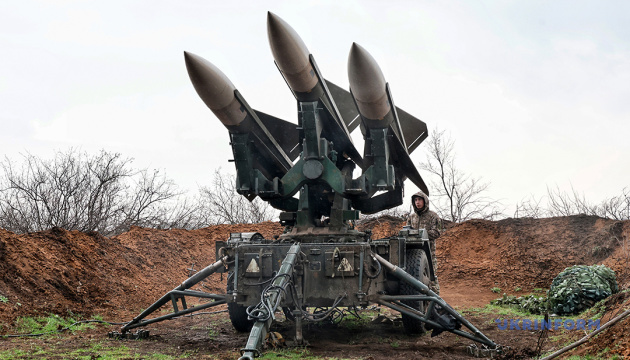
Photo: Ukrinform UA
At a glance
- Russia launched one ballistic missile and 172 drones on April 16.
- Ukrainian air defense intercepted 147 drones during the assault.
- The attack affected multiple locations across Ukraine, including Chernihiv.
- Debris from intercepted attacks caused damage and power outages for thousands.
- Air defense involved a coordinated effort from multiple military units.
Why it matters
The interception of 147 drones demonstrates Ukraine's air defense capabilities amid ongoing military confrontation. Protecting critical infrastructure from aerial attacks is essential for civilian safety and operational stability during the conflict.
https://www.ukrinform.ua/rubric-ato/4113521-ppo-z-vecora-zneskodila-147-zi-172-rosijskih-droniv.html
What Happened
Russia launched a significant aerial assault on Ukraine on the evening of April 16, 2026. This attack included the deployment of one ballistic missile and 172 drones, primarily from occupied territories and various Russian cities.
The Ukrainian Air Force reported that its air defense systems successfully intercepted 147 of these drones, identified as various types, including the Shahed model. The strikes were conducted from multiple regions, including the temporarily occupied Crimea and cities such as Bryansk, Kursk, Orel, Millerovo, and Primorsko-Akhtarsk.
The Ukrainian military's response involved a coordinated effort from aviation, air defense missile forces, electronic warfare units, and mobile fire groups. They operated across northern, southern, and eastern Ukraine to manage the threat from these aerial attacks.
Key Details
According to military sources, the offensive began at 18:00 local time on April 16. The report detailed subsequent interceptions of the drones throughout the night and into the morning of April 17.
Initial data from the Ukrainian Armed Forces indicated that several targets were hit, leading to debris falling in multiple locations. The air defense forces managed to neutralize the UAVs effectively, with reports of 20 strike drones being shot down However, some hits from the missiles and drones resulted in damage to critical infrastructure.
In one incident, a strike in Chernihiv caused significant fires and led to power outages affecting around 6,000 consumers.
Why It Matters
The success of Ukraine's air defense in intercepting a vast majority of the drones reflects significant military capabilities amid ongoing conflict. Such interceptions are crucial for minimizing damage and protecting civilian infrastructure during Russian attacks.
An effective response is essential for Ukraine as the conflict continues to evolve, highlighting the importance of maintaining operational readiness among defense forces in the face of persistent threats.
Background
The tensions between Ukraine and Russia have escalated since 2014, when Russia annexed Crimea. The ongoing war has seen numerous attacks on Ukrainian territories and civilian areas.
The use of drones has become a common tactic, posing new challenges for air defense systems. In previous months, Ukrainian air defense successfully intercepted nearly 90% of Russian drones and missiles, showcasing their operational improvements.
The resilience shown in these current events underlines the constant state of urgency to enhance defensive measures against aerial threats.
Source: Ukrinform UA
This report is maintained as a live newsroom article. Headlines and top paragraphs may be tightened when fresh reporting changes the clearest angle.
Newsletter
Get the next breaking Ukraine update
Receive the fastest lead, key facts, and follow-up links in one concise newsroom note.
Breaking format
The lead carries the core fact first.
Key figures and locations stay near the top.
Related coverage tracks the same reporting line.