Breaking news
Ukraine Defends Against Drone Attack, Neutralizes 122 UAVs
Ukraine's air defense forces intercepted 122 out of 137 drones launched by Russia on March 9, as reported by the Armed Forces of Ukraine.
Share this article
Share to social platforms, or copy the article link and share text manually.
Developing story
This page is updated as verified details move. The lead and top sections are tightened first when the clearest confirmed angle changes.
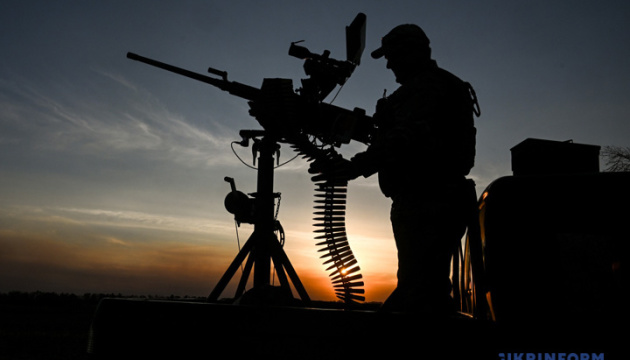
Photo: Ukrinform EN
At a glance
- Ukraine's air defense neutralized 122 of 137 Russian drones.
- Drones were launched from multiple Russian locations, including Crimea.
- At least 12 drones hit urban areas, causing injuries and damage.
- Operational strategies involved multiple defense units and technology.
- Ongoing risks remain as some drones continued to operate in the airspace.
Why it matters
The successful interception of 122 drones underscores Ukraine's air defense effectiveness amid continued Russian aggression. With drone warfare becoming more prevalent, maintaining robust defense capabilities is critical for safeguarding civilians and infrastructure.
https://www.ukrinform.net/rubric-ato/4099829-air-defense-forces-neutralize-122-of-137-drones-used-by-russia-to-attack-ukraine.html
What Happened
Starting from the evening of March 9, Russian forces deployed a significant drone assault against Ukraine, utilizing 137 strike unmanned aerial vehicles (UAVs) of various types, notably the Shahed, Gerbera, and Italmas. Reports indicate that these drones were launched from multiple locations including Bryansk, Oryol, Kursk, and temporarily occupied areas such as Crimea.
Remarkably, approximately 80 of the drones were identified as Shahed-type, which have been a consistent threat in past conflicts. The Armed Forces of Ukraine reported that between 18:00 on March 9 and the morning of March 10, their air defense systems effectively shot down 122 enemy drones.
Key Details
The countermeasures involved the deployment of aviation, anti-aircraft missile forces, and electronic warfare units, complemented by unmanned systems and mobile fire groups. This comprehensive defense strategy showcased Ukraine's enhanced ability to defend against aerial threats, reflecting ongoing military preparedness.
In terms of damage assessment, while the majority of the drones were neutralized, at least 12 of them managed to hit targets across ten different locations in Ukraine, contributing to property damage and civilian injuries. Reports confirmed that a multi-storey residential building in Dnipro was struck, resulting in injuries to ten civilians.
Why It Matters
The successful interception of 122 drones underscores Ukraine's air defense effectiveness amid continued Russian aggression. With drone warfare becoming more prevalent, maintaining robust defense capabilities is critical for safeguarding civilians and infrastructure.
Background
The chaos from the attack left debris scattered across the impacted areas, causing further concerns for local residents. Despite the successful interception of most UAVs, several unmanned systems remained operational in the airspace, indicating that the threat was not entirely neutralized by early morning on March 10.
This ongoing risk continues to challenge Ukraine's defense capabilities as they strive to protect both military and civilian infrastructure. Ukrainian authorities remain vigilant, adjusting their air defense strategies in response to the evolving nature of drone warfare.
The incident further illustrates the persistent challenges Ukraine faces in securing its airspace against a determined adversary. As the conflict continues, the effectiveness of Ukraine's air defense systems will be crucial in minimizing damage and protecting its population from aerial assaults.
The capability to neutralize such a high number of drones reinforces the importance of maintaining and upgrading defense resources in the face of ongoing aggression.
Source: Ukrinform EN
This report is maintained as a live newsroom article. Headlines and top paragraphs may be tightened when fresh reporting changes the clearest angle.
Newsletter
Get the next breaking Ukraine update
Receive the fastest lead, key facts, and follow-up links in one concise newsroom note.
Breaking format
The lead carries the core fact first.
Key figures and locations stay near the top.
Related coverage tracks the same reporting line.