News report
Ukraine Accuses Russia of Redirecting Drones Toward Baltic States
Ukraine has intelligence indicating that Russia is deliberately redirecting drones toward the Baltic States and Finland. This was reported by Foreign Minister Andriy Sibiga during a press conference in Kyiv.
Share this article
Share to social platforms, or copy the article link and share text manually.
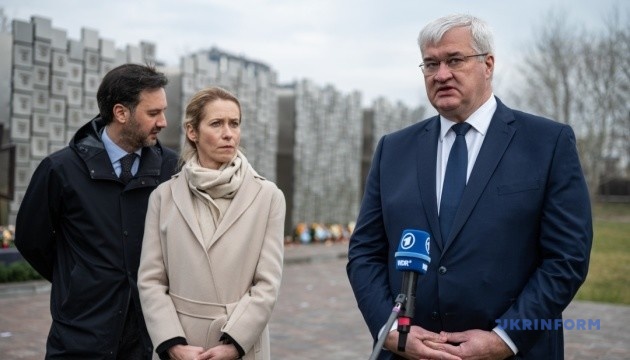
Photo: Ukrinform UA
At a glance
- Ukraine claims Russia is redirecting drones towards Baltic States and Finland.
- Foreign Minister Andriy Sibiga assures no Ukrainian drones are aimed at these countries.
- Two drones fell in southeastern Finland, one confirmed Ukrainian.
- Ukraine is sharing intelligence with Estonia, Latvia, Lithuania, and Finland.
- Sibiga calls for a united stance against Russian propaganda efforts.
Why it matters
This accusation highlights potential Russian uses of drone incidents for propaganda, impacting regional stability. Ukraine's collaboration with Baltic nations is crucial to enhance security and counter misinformation.
https://www.ukrinform.ua/rubric-polytics/4107684-ukraina-mae-rozviddani-so-rosia-umisno-spramovue-droni-u-bik-krain-baltii-ta-finlandii-sibiga.html
What Happened
On March 31, 2026, Ukraine's Foreign Minister Andriy Sibiga announced that the country possesses intelligence suggesting that Russia is intentionally steering drones towards the Baltic nations and Finland. Sibiga made this statement at a joint press conference in Kyiv with EU foreign affairs chief Kaia Kallas.
Sibiga emphasized that the incidents involving drones are deliberate acts by Russia, aiming to create information provocations. He reassured that Ukraine has never directed drones towards these countries and is actively collaborating with Estonia, Latvia, Lithuania, and Finland to address the situation.
Key Details
One incident mentioned involved two drones that fell in southeastern Finland, with one confirmed as Ukrainian. Despite this, Ukraine has stated unequivocally that its drones were not aimed at Finland.
The Ukrainian side has provided all necessary information to Finnish authorities regarding the incidents. Sibiga expressed gratitude to the Baltic and Finnish partners for their clear stance attributing the incidents to Russia.
Sibiga warned that the conflicts caused by Russian aggression have led to such threats in the region and stressed that Russia must be held accountable for these actions. He assured that Ukraine will continue to work with its allies to prevent future incidents and to counter any propaganda efforts from Russia.
Why It Matters
The allegation underscores ongoing tensions between Ukraine and Russia, particularly regarding aerial incidents that have the potential to escalate regional security concerns. Ukraine’s proactive approach in sharing intelligence with its neighbors reflects its commitment to transparency and cooperation amid growing threats from Russia.
Background
This revelation follows a series of drone incidents in the region, which have raised alarm regarding border security and the potential for misinformation campaigns. The relationship between Ukraine and the Baltic countries has been strained due to Russia’s military aggression since 2022.
Ukrainian officials maintain that ongoing communication is essential to ensure mutual security and to dispel any misinformation that may arise from drone-related incidents. During the press conference, Sibiga reiterated the need for unity among Ukraine and its partners to counter Russian narratives and to ensure the safety and security of European borders.
As the situation develops, the international community will closely monitor these developments to assess their implications for regional stability and security dynamics in Eastern Europe.
Source: Ukrinform UA
This report is maintained as a live newsroom article. Headlines and top paragraphs may be tightened when fresh reporting changes the clearest angle.
Newsletter
Get the next major Ukraine report
Follow the strongest verified developments with a cleaner newsroom brief and direct follow-up coverage.
Report format
Fast lead first, then fuller context.
Source photo stays distinct from any illustration.
Related coverage stays inside the same reporting thread.