News update
Ukraine Accuses Russia of Misleading Drones into Baltic States
Ukrainian Foreign Minister Andriy Sibiga has accused Russia of intentionally redirecting Ukrainian drones into neighboring Baltic states. This claim follows recent incidents in Latvia and Finland, as reported by RBC Ukraine.
Share this article
Share to social platforms, or copy the article link and share text manually.
Developing story
This page is updated as verified details move. The lead and top sections are tightened first when the clearest confirmed angle changes.
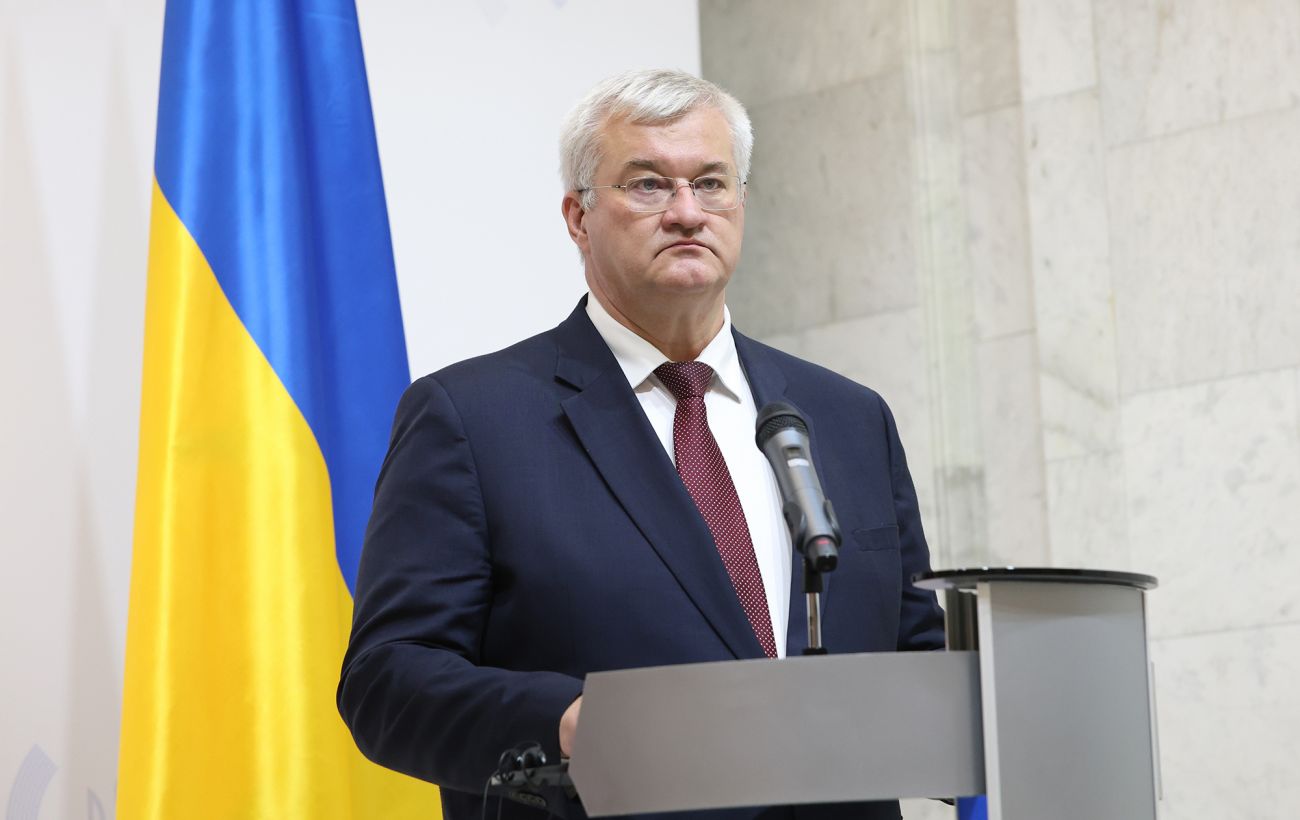
Photo: RBC Ukraine
At a glance
- Ukrainian Foreign Minister claims Russia redirects UAVs to Baltic.
- Investigations link drone incidents in Latvia to Russian electronic warfare.
- Ukraine offers to send experts to bolster Baltic air defense.
- Recent drone crash in Latvia raised alarms over national security.
- Ongoing collaboration between Ukraine and Latvia to address drone issues.
Why it matters
The reported actions by Russia could provoke further instability in the region. Ukraine's collaboration with Baltic states emphasizes the interconnected nature of regional security as NATO countries face external threats.
https://www.rbc.ua/rus/news/rosiya-navmisno-spryamovue-ukrayinski-droni-1778427767.html
What Happened
Ukrainian officials made serious allegations against Russia, claiming that the country's radio-electronic warfare (REW) tools are deliberately diverting Ukrainian drones towards NATO territories. Foreign Minister Andriy Sibiga stated that recent investigations into drone incidents in Latvia confirmed Russian involvement.
Sibiga discussed these findings with Latvia's Foreign Minister, Baiba Braže, emphasizing the importance of collaboration to enhance security in the Baltic region. Ukraine has officially offered to send experts to help address the situation and reinforce airspace protection in Latvia, Finland, and other Baltic countries.
Key Details
The incidents in Latvia involve drones crashing onto its territory, one of which struck an oil reservoir in the city of Rezekne. The Ukrainian Foreign Minister asserted that these actions by Russia signify a broader strategy to provoke tensions in the region, highlighting the increasing risks associated with their military activities.
Sibiga noted that Ukraine can provide valuable expertise to Baltic nations, particularly due to its experience in countering Russian REW tactics. The goal is to prevent similar provocations from occurring in the future while ensuring safety in these allied countries.
Why It Matters
The actions attributed to Russia pose a significant threat to the security of Baltic nations, raising concerns about regional stability. Ukraine's proactive offer to assist reflects its commitment to NATO allies and highlights the ongoing effects of Russian aggression in the region.
Background
Tensions in the Baltic airspace have escalated recently due to increasing provocations from Russia, which include drone incursions. The collaboration between Ukraine and Latvia follows previous agreements to enhance regional defense through shared intelligence and technical support.
The acknowledgment of Russian methods aiming to mislead Ukrainian drones indicates a sophisticated approach to psychological and electronic warfare by Russia, further complicating the security dynamics in Eastern Europe. As regional countries like Latvia seek ways to bolster their defenses, Ukraine's willingness to contribute its insights underscores the interconnected nature of security challenges faced by NATO allies in the area.
The incidents serve as a reminder of the ongoing hostilities and the necessity for vigilant cooperation among nations in response to external threats.
Source: RBC Ukraine
This report is maintained as a live newsroom article. Headlines and top paragraphs may be tightened when fresh reporting changes the clearest angle.
Newsletter
Get the next Ukraine update
Track the latest policy, diplomacy, aid, and security changes without losing the thread.
Update format
This template prioritizes developments over recap.
Context stays short and tied to the current turn in the story.
The page is designed for repeat readers checking what changed.