Breaking news
UAF Intercepts 146 of 176 Russian Drones in April 7 Attack
The Ukrainian Armed Forces intercepted 146 out of 176 Russian drones launched on April 7. The Air Force reported the ongoing attacks targeting various regions across Ukraine.
Share this article
Share to social platforms, or copy the article link and share text manually.
Developing story
This page is updated as verified details move. The lead and top sections are tightened first when the clearest confirmed angle changes.
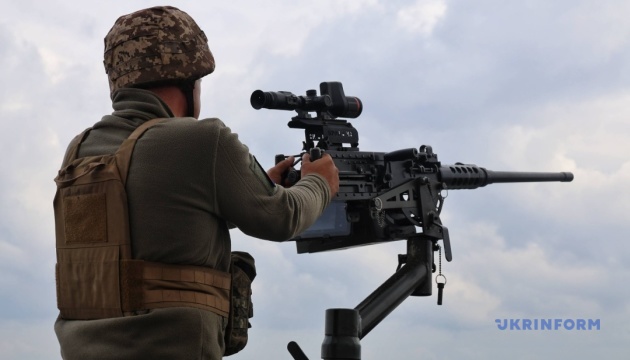
Photo: Ukrinform EN
At a glance
- UAF intercepted 146 of 176 drones during the April 7 assault.
- Attack originated from multiple locations in Russia and occupied Crimea.
- Approximately 120 of the drones were Shahed-type UAVs.
- 24 drones successfully hit 12 locations across Ukraine.
- Damage reported to civilian and port infrastructure in Odesa region.
Why it matters
The interception of 146 drones demonstrates the resilience of Ukraine's air defenses. These attacks threaten both civilian infrastructure and national security, prompting continued vigilance.
https://www.ukrinform.net/rubric-ato/4110273-adf-neutralizes-146-out-of-176-russian-drones.html
What Happened
On April 7, starting at 18:00, Russia launched an extensive drone attack against Ukraine, deploying 176 strike UAVs. The Ukrainian Air Defense Forces (UAF) successfully intercepted 146 of these drones. The attack, which included a significant number of Shahed-type drones, occurred from multiple locations in Russia and Crimea.
Key Details
According to the UAF, the drones were launched from several regions, including Bryansk, Kursk, Oryol, Millerovo, and Chauda. The attack consisted primarily of about 120 Shahed-type drones, along with other models named “Gerbera” and “Italmas.” Ukrainian defense mechanisms, including aviation, anti-aircraft missile forces, and electronic warfare units, played a crucial role in countering the threats posed by these drones.
Despite the successful interception of the majority of the drones, reports indicate that 24 UAVs successfully struck 12 different locations across the country. Debris from downed drones was found at one site.
Preliminary evaluations on April 8 at 08:00 confirmed the effectiveness of Ukraine’s air defense systems during this coordinated assault. The drone strikes have inflicted damage on civilian and port infrastructure, particularly noted in the southern Odesa region.
As attacks continue, some enemy drones remain in Ukrainian airspace, suggesting that the situation may evolve further.
Why It Matters
The high interception rate reflects the effectiveness of Ukraine's air defense capabilities in protecting its territory from aerial threats. Ongoing attacks not only threaten civilian safety but also disrupt critical economic structures, such as ports. Monitoring and responding to these threats are crucial for national security and civilian welfare in Ukraine.
Background
Drone warfare has escalated since the onset of the conflict, with both sides utilizing unmanned aerial vehicles for reconnaissance and strikes. The use of Shahed-type drones by Russia has been of particular concern, prompting Ukraine to bolster its air defense strategies.
Recent government efforts have aimed at modernizing aviation and enhancing the operational readiness of defense forces to deal with such aerial assaults more effectively.
Source: Ukrinform EN
This report is maintained as a live newsroom article. Headlines and top paragraphs may be tightened when fresh reporting changes the clearest angle.
Newsletter
Get the next breaking Ukraine update
Receive the fastest lead, key facts, and follow-up links in one concise newsroom note.
Breaking format
The lead carries the core fact first.
Key figures and locations stay near the top.
Related coverage tracks the same reporting line.