News report
Russian Shelling Claims Lives of Two Emergency Medical Workers in Kharkiv Region
Two emergency medical workers were killed and a colleague injured in a Russian shelling attack near Chervona Khvylia. This incident reflects the ongoing dangers faced by medical teams in conflict zones.
Share this article
Share to social platforms, or copy the article link and share text manually.
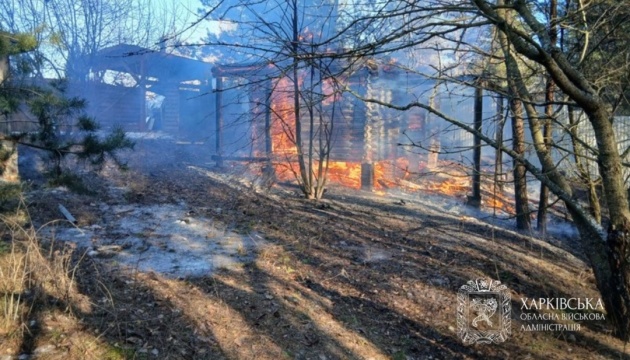
Photo: Ukrinform UA
At a glance
- Two emergency medical workers were tragically killed, and another was injured in Kharkiv.
- The attack took place near Chervona Khvylia amid a surge in shelling across the region.
- Intensified military assaults have severely damaged infrastructure in 21 populated areas.
- Emergency medical personnel face significant risks while responding to civilian emergencies.
- Humanitarian efforts persist, with evacuation points aiding significant numbers of individuals.
Why it matters
The deaths matter because they show that emergency medical teams remain directly exposed to Russian attacks while trying to support civilians and maintain basic response capacity in heavily shelled areas.
https://www.ukrinform.ua/rubric-regions/4101745-na-harkivsini-cerez-vorozij-obstril-zaginuli-dvoe-pracivnikiv-ekstrenoi-meddopomogi.html
Casualties of the Attack
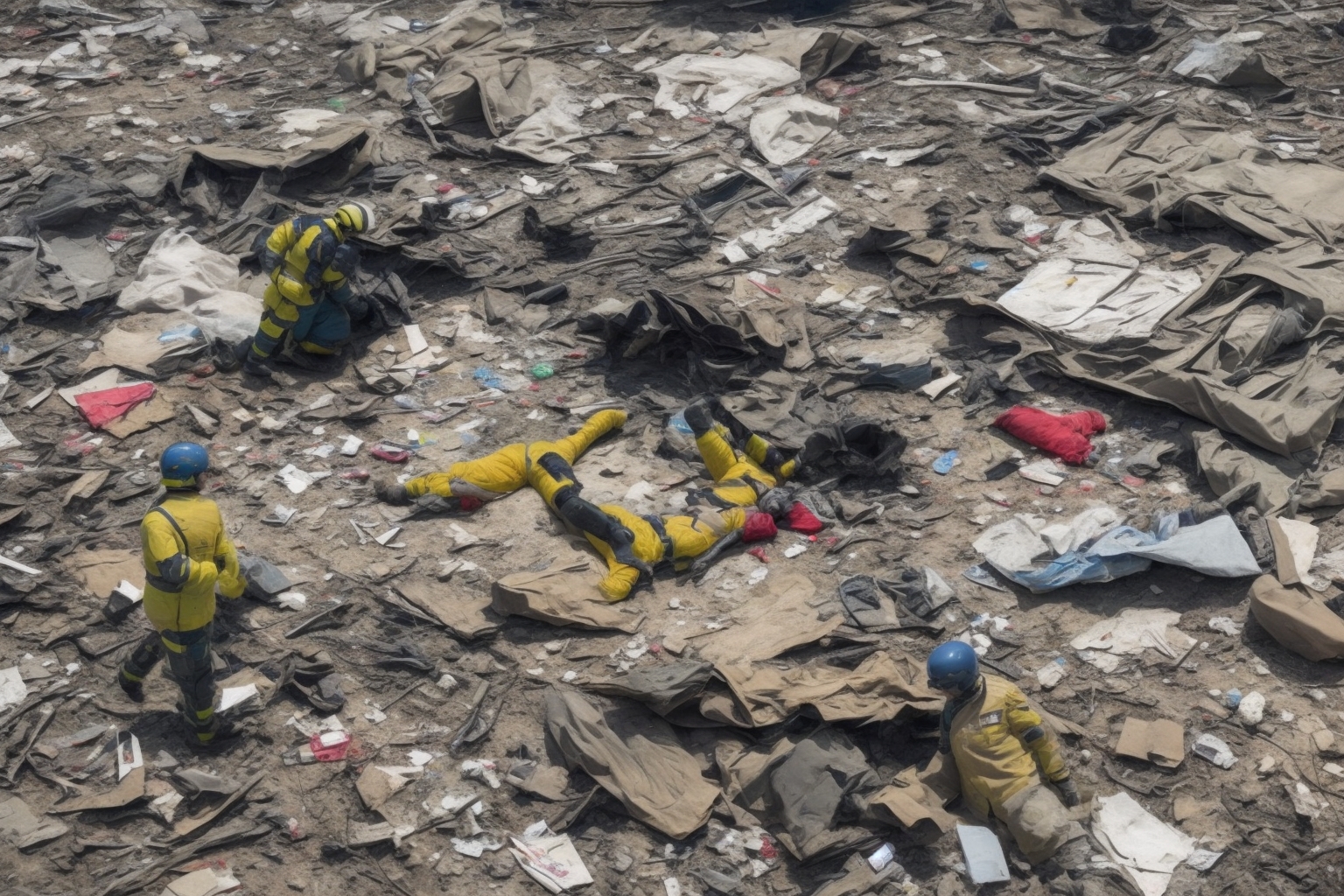
Kharkiv regional authorities reported that two emergency medical workers lost their lives due to Russian shelling near the village of Chervona Khvylia. Oleh Syniehubov, head of the Kharkiv Regional Military Administration, confirmed that a third member of the medical team sustained injuries during the attack.
The deceased workers were identified as men aged 27 and 56, while the injured colleague is 54 years old. This tragic event highlights the vulnerability of emergency personnel in areas near ongoing military actions.
Broader Context of Shelling
The shelling incident occurred amid a larger wave of Russian attacks affecting 21 populated areas in the Kharkiv region. The fatalities of the emergency workers were part of a troubling pattern that has inflicted civilian casualties and caused significant damage to infrastructure, including homes and agricultural properties.
Reports indicate that the Russian military employed various weapons in these attacks, including KAB guided bombs and Geran-2 drones. In a related note, a 63-year-old woman in Kupiansk was also reported injured during the same series of assaults.
Impact on Emergency Response
The deaths of these medical workers exacerbate the already challenging circumstances facing ambulance and emergency teams operating in frontline areas. Such incidents not only represent a personal tragedy but also severely impair the local health system’s ability to respond effectively to additional casualties.
When responders become victims, the capabilities of emergency services diminish, further complicating evacuation and treatment efforts for other individuals in need.
Damage to Civilian Infrastructure
Regional authorities reported extensive damage across multiple districts, affecting private homes, agricultural structures, and vehicles. In the Bohodukhiv district, residential properties and farm facilities suffered significant harm, impacting daily life for residents.
Additionally, the importance of evacuation infrastructure was emphasized, with a transit evacuation point in Lozova assisting 89 individuals in the previous day. Since its establishment, the center has facilitated over 22,000 evacuations, reflecting the pressing need for support amid ongoing attacks.
Conclusion
The deaths of the two emergency medical workers serve as a stark reminder of the pervasive dangers in the Kharkiv region. Medical teams continue to operate in perilous conditions, often becoming targets themselves as they engage in life-saving efforts.
This incident not only signifies the personal loss of dedicated responders but also highlights the challenging environment faced by emergency services in a prolonged conflict. The risks extend beyond the battlefield, affecting all aspects of civilian life in the area.
Source: Ukrinform UA
This report is maintained as a live newsroom article. Headlines and top paragraphs may be tightened when fresh reporting changes the clearest angle.
Newsletter
Get the next major Ukraine report
Follow the strongest verified developments with a cleaner newsroom brief and direct follow-up coverage.
Report format
Fast lead first, then fuller context.
Source photo stays distinct from any illustration.
Related coverage stays inside the same reporting thread.