News report
Trump Dismisses Ukraine's Offer to Help Intercept Iranian Drones
Trump's comments express a reluctance to collaborate with Ukraine on military matters, which could impact the relationship amid rising tensions with Iran.
Share this article
Share to social platforms, or copy the article link and share text manually.
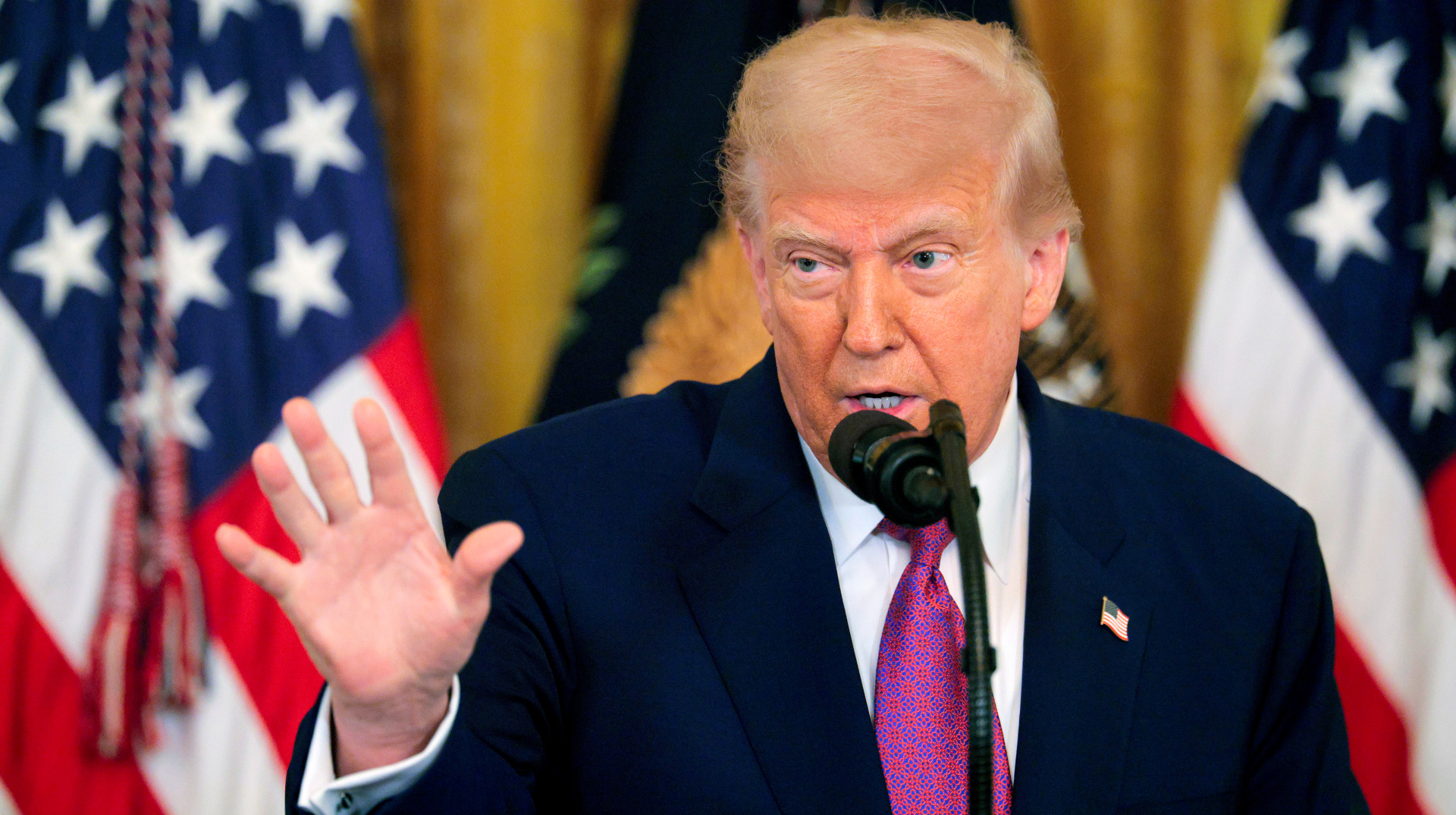
Photo: Ukrainska Pravda UA
At a glance
- President Trump asserts the U.S. does not need Ukraine's assistance with Iranian drones.
- Zelensky's offer for collaboration demonstrates Ukraine's willingness to partner with allies in defense matters.
- Trump's characterization of Zelensky indicates a potential reevaluation of the U.S.'s reliance on its allies.
- The comments could shift perceptions of U.S. foreign policy in Eastern Europe.
- Reactions highlight the complexities of maintaining diplomatic relations amid differing viewpoints.
Why it matters
Trump's dismissal of Ukraine's offer highlights a critical moment in U.S.-Ukraine relations, revealing underlying tensions regarding military collaboration and support. Understanding these dynamics is essential as they could impact diplomatic and security policies in the region, particularly in light of increasing threats from Iran.
https://www.pravda.com.ua/news/2026/03/15/8025564/
Trump's Rejection of Assistance

In a recent NBC News interview, former President Donald Trump rejected Ukraine's proposal to help the United States intercept Iranian drones. His statement indicates significant shifts in U.S. foreign policy and reflects complexities in the current geopolitical climate.
Trump referred to Ukraine's President Volodymyr Zelensky as the 'last person' the U.S. would consult regarding Iranian drone interceptions. This assertion raises concerns about the future of U.S.-Ukraine relations, especially as Ukraine has historically relied on American support in its conflict with Russia.
Context of the Offer
Zelensky's proposal aimed to enhance international cooperation against the security threats posed by Iranian unmanned aerial vehicles (UAVs). However, Trump's remarks diminish the importance of this cooperation, revealing a reluctance to engage in military collaboration with a key ally.
Implications for U.S.-Ukraine Relations
Trump's attitude may have significant implications for U.S. foreign policy, indicating a cooling of longstanding partnerships in Eastern Europe. While acknowledging Ukraine's crucial role in national security discussions, his comments suggest a decreased willingness to seek military assistance from Ukraine amidst advancements in military technology.
Zelensky's Response
In response, Zelensky characterized Trump's remarks as mere rhetoric, suggesting they do not fully reflect the broader U.S. perspective on Ukraine. This response shows a commitment to maintaining dialogue and collaboration despite the expressed differences.
Impact on Future Cooperation
As the election cycle nears, Trump's stance on international military cooperation could influence key foreign policy decisions. The evolving dynamics in U.S. relations with Ukraine may have serious implications for security issues in Eastern Europe, particularly concerning ongoing tensions related to Iran.
As military aid and defense strategies shift, leaders like Trump and Zelensky are navigating a challenging diplomatic landscape. The outcomes of their discussions will significantly shape future military alliances and strategies for international security in the region.
Source: Ukrainska Pravda UA
This report is maintained as a live newsroom article. Headlines and top paragraphs may be tightened when fresh reporting changes the clearest angle.
Newsletter
Get the next major Ukraine report
Follow the strongest verified developments with a cleaner newsroom brief and direct follow-up coverage.
Report format
Fast lead first, then fuller context.
Source photo stays distinct from any illustration.
Related coverage stays inside the same reporting thread.