Breaking news
Dniester River Contaminated by Pollution Following Russian Attacks
High levels of oil products and barium have been detected in the Dniester River, surpassing safe limits after infrastructure attacks from Russia. Ukrainian authorities have mobilized resources to address the crisis.
Share this article
Share to social platforms, or copy the article link and share text manually.
Developing story
This page is updated as verified details move. The lead and top sections are tightened first when the clearest confirmed angle changes.
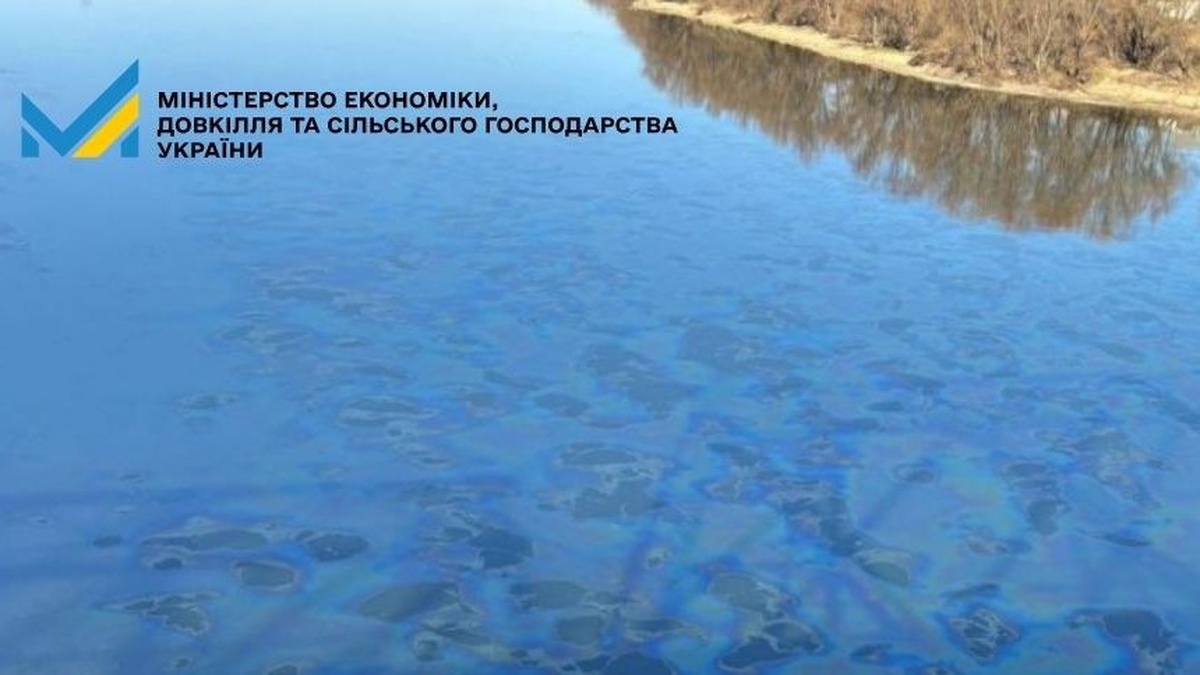
Photo: Interfax Ukraine
At a glance
- Russian attacks have led to 2.5x more oil products and 3-6x more barium in the Dniester River.
- Protective measures have been implemented, but ongoing monitoring is necessary.
- Ukraine and Moldova are collaborating to handle the ecological emergency.
- A criminal investigation is underway regarding the attacks and their environmental impact.
- International assistance is sought for identifying and analyzing pollutants.
Why it matters
The contamination of the Dniester River poses a significant environmental threat, impacting the water quality and health of both Ukrainian and Moldovan citizens. Immediate action and international support are essential to address the crisis and mitigate further damage.
https://interfax.com.ua/news/general/1152874.html
What Happened
The Ukrainian Ministry of Economy, Environment, and Agriculture has confirmed significant pollution levels in the Dniester River following missile and drone strikes on critical infrastructure. Measurements indicate that concentrations of oil products exceed permissible levels by 2.5 times, while barium levels are reported to be three to six times higher than normal.
According to Iryna Ovcharenko, deputy minister, the pollution results from damage to facilities and firefighting operations initiated in response to the attacks. Currently, the most severe contamination is evident in the Dniester estuary; however, drinking water supplies in Odessa remain secure due to protective measures in place.
Key Details
Ukrainian authorities have deployed oil booms and sorbents to address the environmental damage caused by the attacks. Continuous monitoring is being carried out by the Odessa Regional Military Administration, which has advised local water companies to enhance their water purification efforts.
Special attention is being paid to Moldova, which relies on the Dniester River for approximately 80% of its drinking water. Ukraine has initiated legal actions, including a criminal investigation by the Security Service of Ukraine, in response to the contamination.
Background
The State Environmental Inspection is actively involved in addressing the situation. Ukraine and Moldova are engaged in discussions to coordinate their response efforts.
Both countries have sought international assistance to identify harmful compounds, including components of rocket fuel and polychlorinated biphenyls (PCBs). They aim to collaborate with foreign laboratories for detailed pollutant analyses.
President Maia Sandu of Moldova declared an ecological alert, emphasizing the potential threat to her country’s water supply posed by the oil spill linked to the Russian attack on the Novodnistrovsk Hydroelectric Power Station. Post-attack pollution has been detected in the Chernivtsi, Vinnytsia, and Odessa regions.
To contain the pollution, Ukrainian and Moldovan authorities are working together to deploy booms in specific areas, including Oksanivka and Soroca, supported by local emergency services. The international community's involvement is crucial as both nations address the significant ecological impacts of the attacks.
Source: Interfax Ukraine
This report is maintained as a live newsroom article. Headlines and top paragraphs may be tightened when fresh reporting changes the clearest angle.
Newsletter
Get the next breaking Ukraine update
Receive the fastest lead, key facts, and follow-up links in one concise newsroom note.
Breaking format
The lead carries the core fact first.
Key figures and locations stay near the top.
Related coverage tracks the same reporting line.