Breaking news
SSU Arrests Russian Agent Linked to Kramatorsk Airstrikes
The Security Service of Ukraine (SSU) has detained a Russian agent in the Donetsk region. The individual was reportedly coordinating airstrikes on Kramatorsk, according to the SSU.
Share this article
Share to social platforms, or copy the article link and share text manually.
Developing story
This page is updated as verified details move. The lead and top sections are tightened first when the clearest confirmed angle changes.
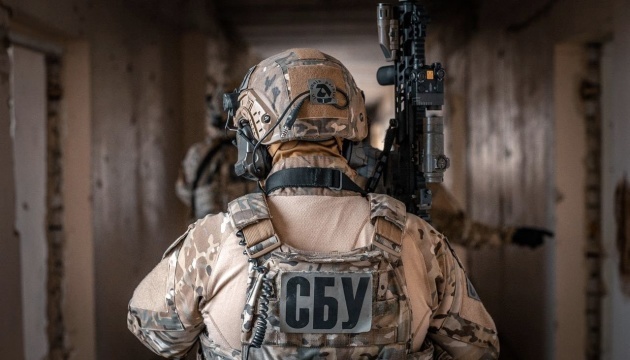
Photo: Ukrinform EN
At a glance
- SSU arrests a local man coordinating Russian airstrikes on Kramatorsk.
- Suspect recruited by the FSB sought financial gain through intelligence activities.
- Agent documented military locations and supplied coordinates to Russian forces.
- Evidence seized included a mobile phone with intelligence-related materials.
- Charged under treason laws; faces life imprisonment if convicted.
Why it matters
Arresting individuals connected to Russian military intelligence is crucial for Ukraine's national security. Disrupting espionage activities helps safeguard military operations and resources during the conflict.
https://www.ukrinform.net/rubric-ato/4109656-ssu-detains-russian-agent-coordinating-airstrikes-on-kramatorsk.html
What Happened
The SSU's counterintelligence unit arrested a Russian agent believed to have been involved in coordinating airstrikes targeting Ukrainian forces in Kramatorsk. The operation was conducted following a thorough investigation that included the documentation of the suspect's activities.
Key Details
The detainee, a local resident who was unemployed, was recruited by the Russian Federal Security Service (FSB) around October 2025. He sought financial gain through his actions, engaging in intelligence-gathering operations.
The agent's activities included monitoring the locations of Ukrainian Defense Forces and marking military facilities on Google Maps. During the investigation, SSU officers discovered that the agent had an extensive plan to provide precise coordinates to the FSB.
These coordinates included sites of Ukrainian military logistics depots, which contained weapons and supplies vital for the Ukrainian military response. In a search of the suspect's home, SSU investigators seized a mobile phone that held incriminating evidence linking him to the Russian intelligence activities.
The attached materials included screenshots of marked military locations, which he compiled through aerial surveys and casual conversations with acquaintances about the Donetsk region’s defenses. The agent was charged under Part 2 of Article 111 of the Criminal Code of Ukraine, which pertains to treason committed during martial law.
Should he be convicted, he faces the possibility of life imprisonment and the confiscation of his property.
Why It Matters
This arrest is part of a broader effort by Ukrainian authorities to dismantle Russian espionage networks operating within the country. Preventing such intelligence from being transmitted is critical for protecting Ukrainian military assets and ensuring the safety of personnel on the ground.
Background
Intelligence operations during the ongoing conflict have been a significant concern for Ukraine. The SSU has ramped up its activities to monitor and intercept potential threats coming from within, especially as Russian tactics evolve.
Cases such as this highlight the challenges faced by Ukrainian defense forces in maintaining operational security. The legal repercussions for individuals collaborating with enemy forces are severe, reflecting the seriousness of their actions amidst ongoing hostilities.
Previous cases have shown that Ukrainian citizens caught spying for Russia face lengthy prison sentences.
Source: Ukrinform EN
This report is maintained as a live newsroom article. Headlines and top paragraphs may be tightened when fresh reporting changes the clearest angle.
Newsletter
Get the next breaking Ukraine update
Receive the fastest lead, key facts, and follow-up links in one concise newsroom note.
Breaking format
The lead carries the core fact first.
Key figures and locations stay near the top.
Related coverage tracks the same reporting line.