News report
Spring Fertilization Tips for Blackcurrants in Ukraine
Effective spring care can enhance the yield and quality of blackcurrants. Key fertilization stages should be observed for optimal growth.
Share this article
Share to social platforms, or copy the article link and share text manually.
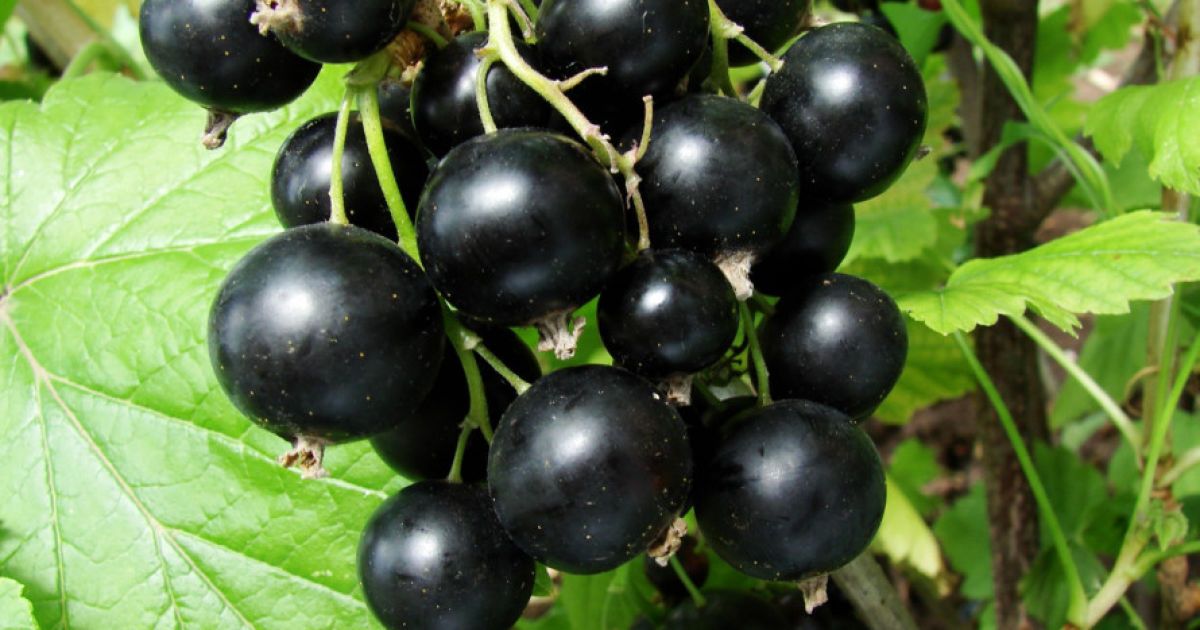
Photo: TSN Ukraine
At a glance
- First fertilization should include nitrogen-rich fertilizers at bud swelling.
- Second fertilization occurs pre-flowering with nitrophoska and potassium sulfate.
- Third foliar application with microelements during flowering boosts yield and taste.
- Doses should be tailored based on soil analysis for optimal results.
- Proper care and attention to blackcurrants can lead to a prosperous harvest.
Why it matters
Effective spring fertilization techniques are crucial for farmers and gardeners looking to maximize their yield of blackcurrants. By following proper care practices, the overall agricultural productivity in Ukraine can be significantly enhanced, contributing to food security.
https://tsn.ua/other/chim-i-koli-pidzhiviti-smorodinu-vesnoyu-chim-pidzhiviti-smorodinu-u-travni-2574173.html
Importance of Spring Fertilization
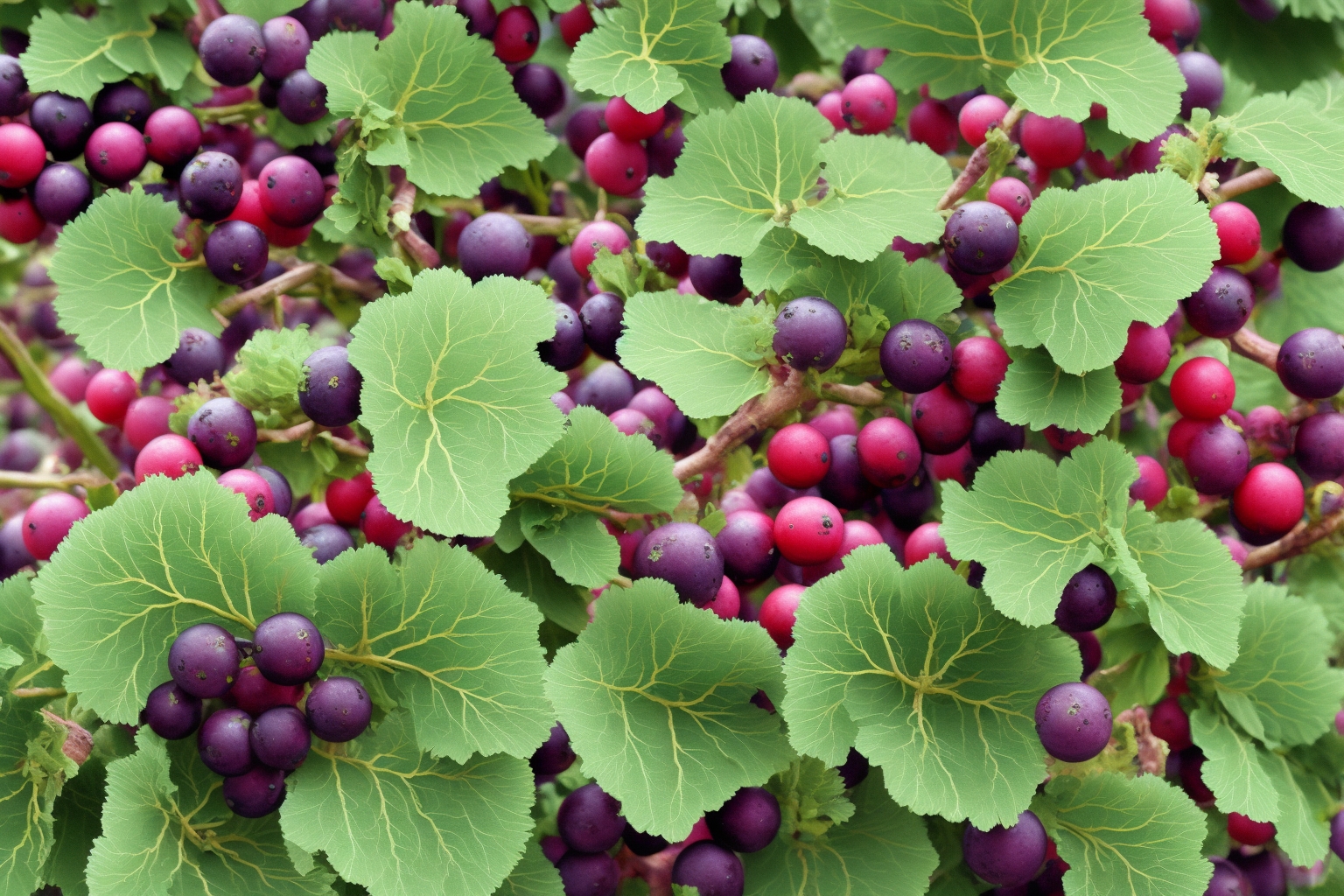
Spring fertilization is crucial for maximizing both the yield and quality of blackcurrants. Over time, the soil around these bushes can lose essential nutrients, which negatively impacts their growth and productivity.
Replenishing nutrients such as nitrogen, phosphorus, and potassium will support healthy development. Three main stages of fertilization are recommended for effective spring care.
First Fertilization Stage
The initial application should focus on nitrogen-rich fertilizers, available in both chemical and organic forms. This stage is performed when the buds swell and leaves begin to unfold.
A mixture of two tablespoons of urea dissolved in ten liters of water is an effective option, with approximately two buckets applied per bush. Alternatively, a diluted cow manure solution can be used, mixed in a one-to-ten ratio, with about 1.5 to 2 buckets per bush.
Second Fertilization Stage
The second round of fertilization occurs just before flowering, typically between April and May. A solution made from 50 grams of nitrophoska mixed with ten liters of water is recommended, using one bucket of this solution per bush. Additionally, around early May, potassium sulfate should be included at a concentration of 10 grams per liter of water.
Third Fertilization Stage
To enhance yield and flavor during bloom, a third foliar fertilization involving microelements is beneficial. This can include a combination of 10-20 grams of copper sulfate, 20-25 grams of boric acid, and 20-30 grams of ammonium molybdate dissolved in one hundred liters of water, covering 0.1 hectares. Ready-made complex microfertilizers are also an option.
Conducting soil analysis is vital to determine specific nutrient needs for blackcurrants. The plants respond significantly to meticulous care, promising a richer harvest in return.
Understanding the growth stages and timing of fertilization is essential for successful blackcurrant cultivation this season.
Source: TSN Ukraine
This report is maintained as a live newsroom article. Headlines and top paragraphs may be tightened when fresh reporting changes the clearest angle.
Newsletter
Get the next major Ukraine report
Follow the strongest verified developments with a cleaner newsroom brief and direct follow-up coverage.
Report format
Fast lead first, then fuller context.
Source photo stays distinct from any illustration.
Related coverage stays inside the same reporting thread.