News report
Sikorski Slams Hungary's Detention of Ukrainian Cash Collectors
Sikorski condemned the detention of Oschadbank employees by Hungarian authorities, calling it politically motivated. The incident signals rising tensions between Hungary and Ukraine.
Share this article
Share to social platforms, or copy the article link and share text manually.
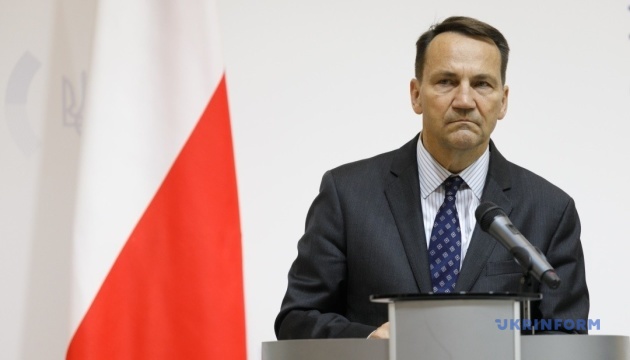
Photo: Ukrinform EN
At a glance
- Sikorski labels Hungary's detention of Ukrainians as a political tactic.
- The detained cash collectors were engaged in routine bank operations.
- Hungary has blocked military aid to Ukraine and Poland from the EU budget.
- Tensions highlight regional political dynamics and electoral influences.
- Ukraine’s Foreign Ministry has advised citizens against travel to Hungary.
Why it matters
The detention incident sheds light on Hungary's shifting political narrative as it relates to Ukraine, emphasizing a growing rift in diplomatic relations. It raises concerns about Hungary's role within the EU and its commitment to supporting allied nations in times of crisis.
https://www.ukrinform.net/rubric-polytics/4099172-sikorski-calls-hungarys-detention-of-ukrainian-cash-collectors-mistake-and-election-tactic.html
What Happened

On Saturday, Polish Foreign Minister Radosław Sikorski addressed the recent detention of seven employees from Oschadbank by Hungarian authorities. The individuals were involved in a routine cash transfer when they were apprehended.
Sikorski voiced support for Ukraine's Foreign Minister Andrii Sybiha, who labeled the incident a mistake linked to Hungary's election cycle. Hungarian officials claimed the cash collectors were involved in a criminal investigation for suspected money laundering.
Key Details
Sikorski remarked that the swift release of the detained cash collectors indicated a lack of justification for their arrest, suggesting political motivations were at play. He criticized Hungary for promoting an anti-Ukrainian narrative, describing it as disappointing behavior from a neighboring country with a historical backdrop of conflict.
This incident is part of escalating tensions between Hungary and Ukraine, especially concerning Hungary's opposition to financial support for Ukrainian defense initiatives. Sikorski noted Hungary has repeatedly blocked payments from the European budget intended for military modernization in Poland, which he sees as detrimental to regional security.
Background
This diplomatic incident occurs amid rising geopolitical tensions in Eastern Europe, where national loyalty and solidarity face challenges. Following the detentions, Ukraine’s Foreign Ministry advised its citizens to refrain from traveling to Hungary, citing potential further provocations.
The Hungarian tax authority confirmed the detentions, heightening diplomatic strains. Analysts suggest Hungary's actions may serve domestic political interests ahead of elections, reflecting a hardline stance towards Ukraine in a polarized regional context.
As relations grow more strained, the ramifications of Hungary's decisions could impact regional cooperation and responses to ongoing threats from Russia. This incident illustrates the complicated dynamics of international diplomacy amid electoral politics in Central Europe.
Source: Ukrinform EN
This report is maintained as a live newsroom article. Headlines and top paragraphs may be tightened when fresh reporting changes the clearest angle.
Newsletter
Get the next major Ukraine report
Follow the strongest verified developments with a cleaner newsroom brief and direct follow-up coverage.
Report format
Fast lead first, then fuller context.
Source photo stays distinct from any illustration.
Related coverage stays inside the same reporting thread.