Breaking news
SBU Detains Russian Agent Guiding Strikes on Sloviansk
The Security Service of Ukraine (SBU) has detained a Russian agent in Donetsk, accused of guiding Russian strikes on Sloviansk. The suspect, a local woman, was reportedly recruited through her son.
Share this article
Share to social platforms, or copy the article link and share text manually.
Developing story
This page is updated as verified details move. The lead and top sections are tightened first when the clearest confirmed angle changes.
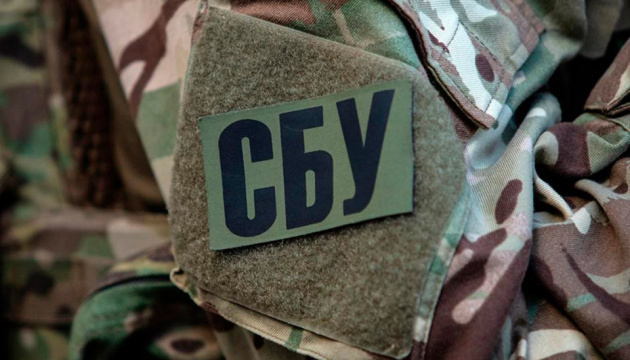
Photo: Ukrinform EN
At a glance
- SBU detained a woman in Donetsk for guiding strikes on Sloviansk.
- The suspect was recruited using her son as an intermediary.
- She tracked Ukrainian military deployments and reported them to Russian forces.
- Key evidence was obtained from her smartphone during the arrest.
- She faces charges of high treason under Ukraine's Criminal Code.
Why it matters
The arrest emphasizes the role of espionage in conflict and the danger posed by local actors. This case demonstrates the active threat to Ukrainian security from Russian intelligence operations.
https://www.ukrinform.net/rubric-crime/4122641-sbu-detains-russian-spotter-guiding-strikes-on-sloviansk.html
What Happened
The Security Service of Ukraine (SBU) announced the arrest of a Russian agent in the Donetsk region, who was accused of directing strikes on the town of Sloviansk. This operation highlighted ongoing concerns about espionage activities in the region amid the conflict with Russia.
Key Details
Investigators identified the suspect as an unemployed woman from the local area. According to the SBU, she was recruited by Russian intelligence services, which utilized her son, a member of Russian armed formations, as an intermediary.
The recruitment process involved using the son's connections to encourage her cooperation with Russian forces. The woman was allegedly tasked with tracking the deployment of Ukraine’s Defense Forces around Sloviansk.
Her intelligence-gathering efforts included discreet conversations where she sought information about Ukrainian military positions. The information collected was reportedly aimed at assisting Russian forces in executing targeted strikes using drones and missiles.
To facilitate her activities, the suspect communicated with a former Sloviansk resident who lives in Russia. This individual ran a Telegram channel used by Russian forces to collect further intelligence on Ukrainian troops.
Messages containing locations and movement details of Ukrainian forces were forwarded through this channel, contributing to Russia's military strategy in the region. The SBU monitored her activities closely, documenting the steps she took to relay critical military information to Russian handlers.
Following the collection of sufficient evidence, law enforcement officers arrested her and executed searches that recovered a smartphone containing sensitive data including correspondence with Russian agents.
Why It Matters
This operation underlines the persistent dangers of espionage in conflict zones and the utilization of local citizens by foreign intelligence services. It also underscores the ongoing need for vigilance among Ukrainian forces to counteract such threats.
Background
This incident forms part of a continuing pattern of espionage and sabotage amidst the ongoing war between Ukraine and Russia. In a related case, a 46-year-old resident from Odesa was recently placed in custody on charges of treason for allegedly passing information about military operations to Russian intelligence.
The legal framework being applied includes high treason laws relevant during martial law, with severe consequences for those found guilty.
Source: Ukrinform EN
This report is maintained as a live newsroom article. Headlines and top paragraphs may be tightened when fresh reporting changes the clearest angle.
Newsletter
Get the next breaking Ukraine update
Receive the fastest lead, key facts, and follow-up links in one concise newsroom note.
Breaking format
The lead carries the core fact first.
Key figures and locations stay near the top.
Related coverage tracks the same reporting line.