Breaking news
Russian Forces Launch Attacks on Kharkiv and Surrounding Areas, Res...
Attacks by Russian forces on Kharkiv and nearby areas have left two women dead, intensifying humanitarian challenges and posing significant threats to civilian safety within the region.
Share this article
Share to social platforms, or copy the article link and share text manually.
Developing story
This page is updated as verified details move. The lead and top sections are tightened first when the clearest confirmed angle changes.
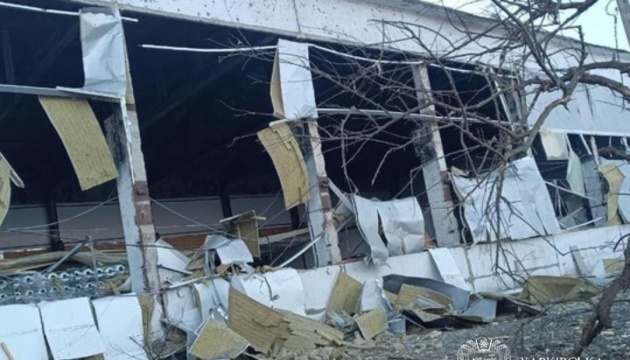
Photo: Ukrinform
At a glance
- Significant attacks have been reported in Kharkiv, affecting 15 settlements and resulting in two fatalities.
- The escalation due to these assaults poses severe implications for civilian safety and heightens regional instability.
- Local authorities are reassessing their emergency responses to tackle the complications arising from ongoing violence.
Why it matters
This incident underscores the escalating threats to civilian safety amidst the ongoing conflict in Ukraine. As humanitarian needs grow, it influences strategic decisions among Ukrainian authorities and international allies who are working towards an effective resolution. The situation demands urgent attention from global actors invested in regional stability and the protection of human rights.
https://www.ukrinform.net/rubric-ato/4098235-russians-attack-15-settlements-in-kharkiv-region-two-women-killed.html
Overview of Recent Developments
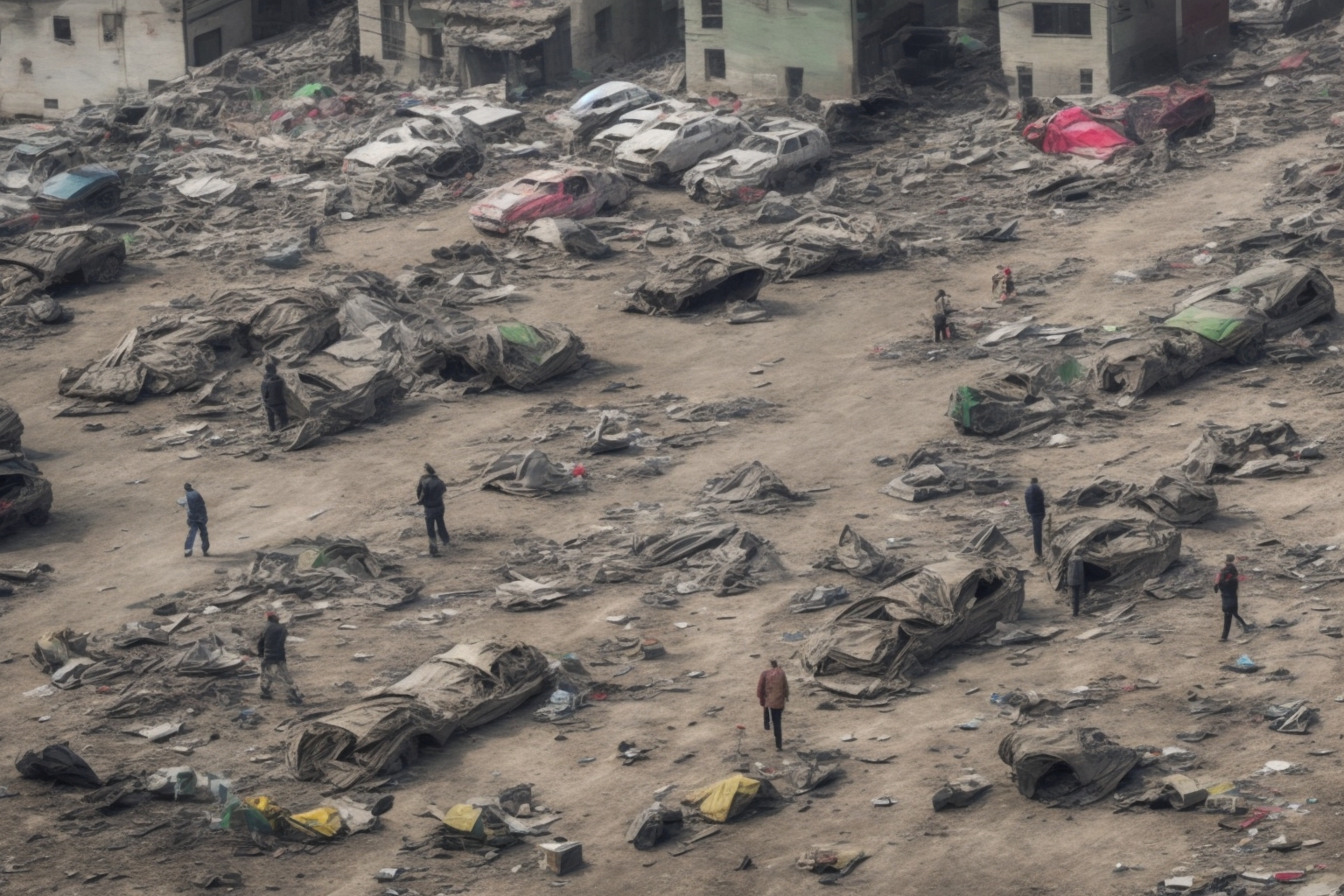
In a significant escalation of hostilities, Russian forces have initiated a series of attacks on Kharkiv and its neighboring settlements. This latest surge in violence has tragically resulted in the deaths of two women, underscoring the urgent threat to civilian safety as the conflict continues to unfold with alarming intensity.
The assaults have impacted 15 settlements, prompting local authorities to mobilize resources and assess the extent of the damage to infrastructure. The ongoing violence not only threatens lives but also complicates essential humanitarian responses in the region, where civilian populations are increasingly vulnerable.
Humanitarian Implications
With the recent attacks complicating logistics for aid organizations, the ability to provide timely assistance to those in need is severely hampered. Local humanitarian efforts face monumental challenges as they strive to address immediate needs while ensuring the safety of their personnel.
The growing concern among residents regarding their security affects not only their daily lives but also their willingness to seek help in the face of ongoing threats. As the situation develops, authorities are recalibrating their strategies in response to the crisis, attempting to shield their communities while managing the chaos following the assaults.
The escalation brings significant implications not just for local safety but also for regional stability, prompting urgent calls for action from both national and international stakeholders.
The Broader Context
This recent bout of violence is not an isolated incident but part of a larger trend that has raised alarms among international observers and policymakers. The rising death toll and continued assaults on civilian areas challenge the stability of Ukraine and highlight the persistent humanitarian issues that arise from the conflict.
Such incidents are likely to influence discussions among Ukrainian leaders and their international partners as they seek a comprehensive resolution to the ongoing crisis. In conclusion, the recent attacks in Kharkiv and the surrounding regions expose the precarious conditions faced by civilians and illustrate the dire need for effective humanitarian intervention amid a backdrop of ongoing violence.
Source: Ukrinform
This report is maintained as a live newsroom article. Headlines and top paragraphs may be tightened when fresh reporting changes the clearest angle.
Newsletter
Get the next breaking Ukraine update
Receive the fastest lead, key facts, and follow-up links in one concise newsroom note.
Breaking format
The lead carries the core fact first.
Key figures and locations stay near the top.
Related coverage tracks the same reporting line.