News report
Russian Electronic Warfare Near Narva Signals Potential Baltic Threat
Russian deployment of electronic warfare systems near Narva indicates that Moscow may be considering military action against the Baltic States. This insight comes from military expert Ivan Stupak in an interview with Ukrinform.
Share this article
Share to social platforms, or copy the article link and share text manually.
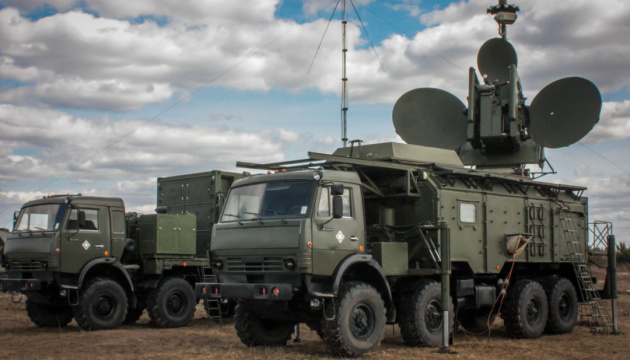
Photo: Ukrinform UA
At a glance
- Russian electronic warfare capabilities are expanding near Narva.
- Military expert Ivan Stupak warns of potential Russian escalation.
- Claims of Ukraine using Baltic airspace lack substantial evidence.
- Increased Russian activity in Narva rose from 50 to over 650 incidents.
- Russia may employ hybrid warfare tactics like those seen in Ukraine in 2014.
Why it matters
The escalation of Russian military capabilities near Narva signals a serious potential threat to Baltic security. Increased tensions could disrupt regional stability and require NATO to reassess its defensive posture.
https://www.ukrinform.ua/rubric-world/4112095-rozgortanna-rosijskogo-rebu-bila-narvi-e-oznakou-togo-so-rf-rozgladae-udar-po-krainah-baltii-ekspert.html
What Happened
Reports reveal that Russia has been expanding its electronic warfare capabilities near Narva, a town close to the Estonian border. This development has raised concerns among military analysts about possible intentions for military escalation in the region. Ivan Stupak, a military expert and former SBU officer, conveyed these warnings in a recent interview with Ukrinform.
Key Details
Stupak stated that the Russian military is closely monitoring Ukrainian drone flight paths toward St. Petersburg and the Leningrad region. While there are claims from Moscow regarding the use of Baltic airspace for Ukrainian drone attacks, Stupak emphasizes that such claims are not substantiated by widespread evidence.
The expert noted that since 2023, the Russian military presence near Narva has seen notable increases in electronic warfare activities, with documented usage rising significantly. The area has seen nearly 50 incidents in 2023, escalating to more than 650 by 2025, indicating a strategic shift in Russian military posture.
Additionally, Stupak outlined various scenarios that could unfold should Russia decide to escalate its operations in the Baltics. This includes the direct military application of drones and missiles as well as conducting hybrid operations, which may involve armed group infiltrations or attempts to control local governance to establish proxy regimes similar to those seen in eastern Ukraine back in 2014.
Stupak highlighted several factors that could influence Russia’s decision-making process, including developments in the Middle East and internal political dynamics within the United States. These elements, he argues, could bolster Russia's confidence as it maneuvers on the geopolitical stage.
For instance, changes in the oil market, including a rise in demand for Russian oil, are expected to enhance Moscow’s financial capacity to sustain its military engagements. S. perspectives regarding NATO commitment may signal to Russia an opportunity to challenge the security guarantees for European allies.
The cumulative impact of these considerations might lead the Kremlin to test NATO's resolve and gauge the Alliance's response to potential aggressive actions in the region.
Why It Matters
The situation presents significant implications for regional security in the Baltic States. Increased military activity and the potential for escalated conflict have raised alarms among NATO allies, necessitating careful monitoring and strategic responses. Understanding these patterns is crucial for predicting geopolitical developments that may affect European security.
Background
The Baltic States—Lithuania, Latvia, and Estonia—have historically faced security threats from Russia, particularly following its actions in Ukraine. The region's strategic significance and proximity to NATO territories heighten the stakes of any potential military maneuvering by Russia.
The statements made by experts like Stupak provide important insights into the evolving nature of these threats and the complexities of international military relations in the current context.
Source: Ukrinform UA
This report is maintained as a live newsroom article. Headlines and top paragraphs may be tightened when fresh reporting changes the clearest angle.
Newsletter
Get the next major Ukraine report
Follow the strongest verified developments with a cleaner newsroom brief and direct follow-up coverage.
Report format
Fast lead first, then fuller context.
Source photo stays distinct from any illustration.
Related coverage stays inside the same reporting thread.