Breaking news
Russian Drones Strike Kharkiv, Causing Vehicle Fires
Russian drones targeted Kharkiv's Kyivskyi district overnight, igniting multiple vehicles. Kharkiv Mayor Ihor Terekhov reported on the incident via Telegram.
Share this article
Share to social platforms, or copy the article link and share text manually.
Developing story
This page is updated as verified details move. The lead and top sections are tightened first when the clearest confirmed angle changes.
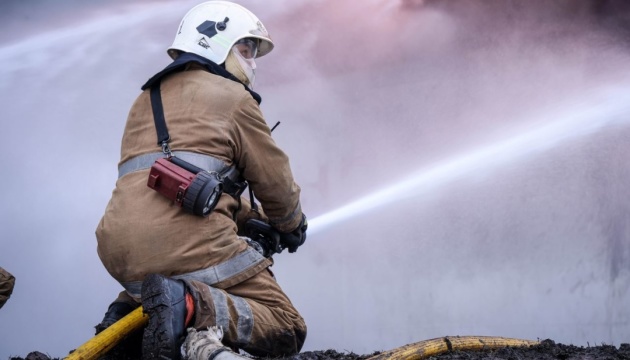
Photo: Ukrinform EN
At a glance
- Russian drones struck Kharkiv's Kyivskyi district overnight.
- The attack involved a Shahed-type UAV, igniting several vehicles.
- Kharkiv Mayor Ihor Terekhov reported the incident via Telegram.
- Preliminary information confirmed multiple car fires as a result of the strike.
- Earlier, shelling in the Shevchenkivskyi district injured two individuals.
Why it matters
This strike underscores the ongoing risks civilians face in urban areas during the conflict. It highlights the need for heightened awareness and security measures as attacks continue to target populated regions.
https://www.ukrinform.net/rubric-ato/4108208-russian-drones-strike-kharkiv-cars-catch-fire.html
What Happened

On the night of February 4, 2026, Kharkiv's Kyivskyi district was struck by Russian drones, resulting in the ignition of several cars. This attack aligns with the ongoing conflict between Ukraine and Russia, marking yet another incident in the enduring violence. Kharkiv Mayor Ihor Terekhov detailed the assault through his Telegram channel.
Key Details
The mayor indicated that the strike involved a Shahed-type unmanned aerial vehicle (UAV). He stated, "We have another strike by a Shahed-type UAV in the Kyivskyi district. The consequences are being clarified." Emergency services are currently assessing the full extent of the damage caused by the drone strike.
In his follow-up communication, Terekhov reported that preliminary assessments confirmed that several cars were set ablaze due to the attack. The specific number of vehicles affected has not yet been disclosed.
Residents of the area are urged to remain vigilant as authorities work to understand the impact of the strike more clearly. This attack followed previous shelling that occurred in Kharkiv's Shevchenkivskyi district, where two individuals sustained injuries from a hit on an apartment building.
Residents there also faced growing concerns about safety as the conflict continues to escalate in urban areas.
Why It Matters
This drone strike adds to the ongoing casualties and damages inflicted in Kharkiv, a city that has faced numerous assaults throughout the conflict. The attacks on civilian areas reflect a broader strategy that raises international awareness regarding the risks faced by non-combatants in war-affected regions. Continued hostilities in such densely populated areas can lead to significant humanitarian consequences.
Background
Kharkiv has been a focal point of conflict in Ukraine since the Russian invasion began in February 2022. It is one of the largest cities in the country and has experienced various attacks aimed at both military and civilian targets.
The use of drones like the Shahed UAV signals an ongoing adaptation of tactics by Russian forces, which has broader implications for national security and civilian safety in Ukrainian territories. The situation in Kharkiv and its surroundings continues to be monitored due to its potential significance in the conflict's progression.
The rise in drone strikes also poses strategic challenges for Ukrainian defense systems, as these UAVs can be more difficult to detect and intercept than traditional missile attacks, complicating the efforts to protect urban centers. Residents in areas frequently targeted express heightened anxiety for their safety and security as such incidents become more frequent.
Source: Ukrinform EN
This report is maintained as a live newsroom article. Headlines and top paragraphs may be tightened when fresh reporting changes the clearest angle.
Newsletter
Get the next breaking Ukraine update
Receive the fastest lead, key facts, and follow-up links in one concise newsroom note.
Breaking format
The lead carries the core fact first.
Key figures and locations stay near the top.
Related coverage tracks the same reporting line.