Breaking news
Deadly Drone Strikes Claim Two Lives in Kharkiv Region
The drone strikes struck the Vovchansk community, highlighting a troubling escalation in hostilities that endanger civilian lives. Authorities are now classifying these attacks as war crimes.
Share this article
Share to social platforms, or copy the article link and share text manually.
Developing story
This page is updated as verified details move. The lead and top sections are tightened first when the clearest confirmed angle changes.
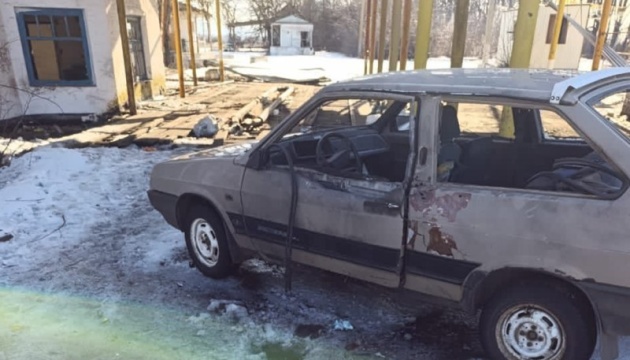
Photo: Ukrinform UA
At a glance
- Two civilians confirmed dead and two others injured in drone strikes.
- Strikes targeted densely populated areas in the Vovchansk community.
- Local law enforcement categorized the attacks as war crimes.
- Military operations continue to create a humanitarian crisis in the region.
- International observers are monitoring the escalating situation closely.
Why it matters
These drone strikes serve as a stark reminder of the ongoing and severe threat to civilian lives in Ukraine, highlighting the critical need for international scrutiny and decisive action in conflict zones where war crimes are committed.
https://www.ukrinform.ua/rubric-regions/4099148-vorog-atakuvav-dronami-civilnih-na-harkivsini-dvoe-zagiblih.html
What Happened
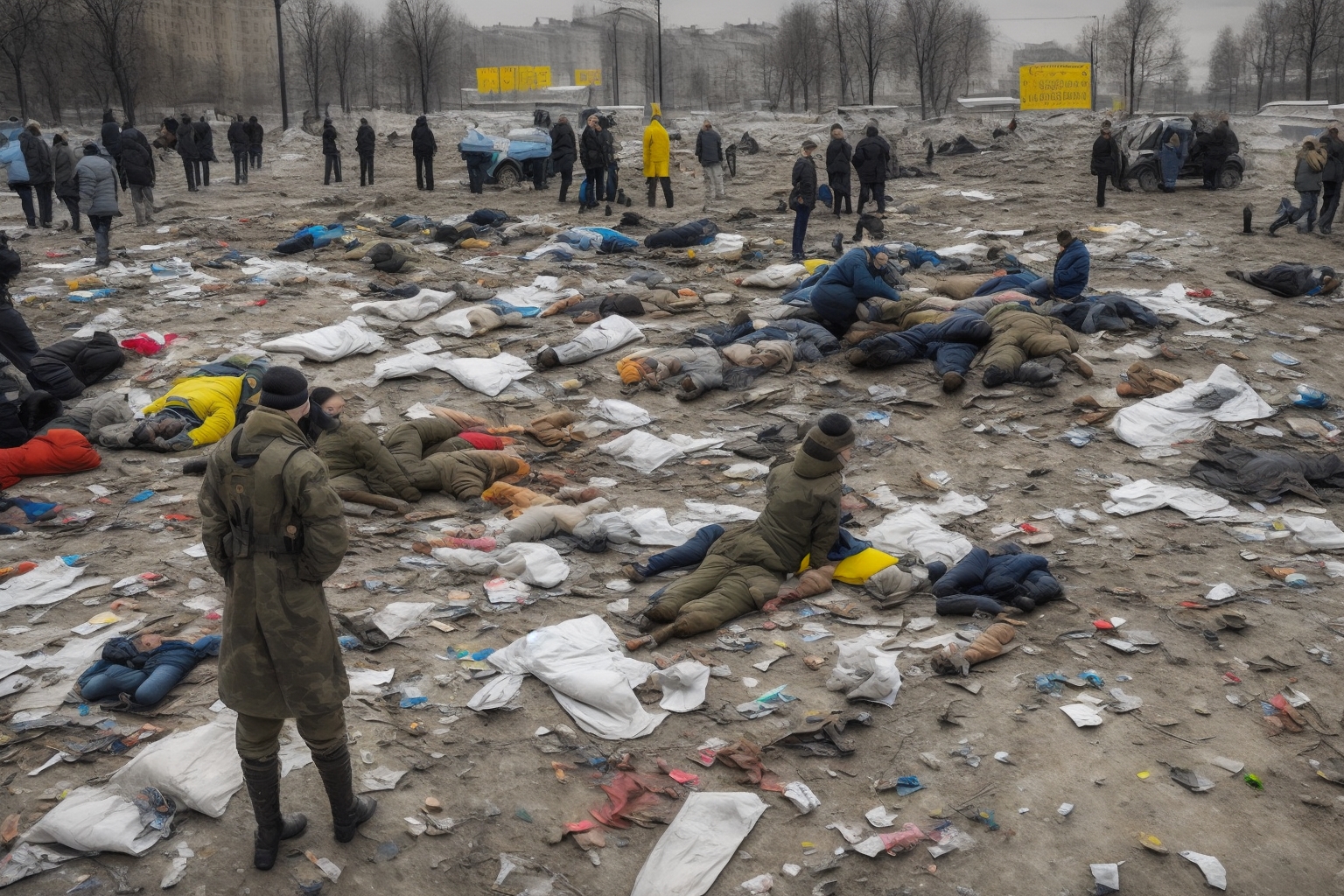
On March 7, 2026, targeted drone strikes in the Vovchansk community of the Kharkiv region tragically claimed the lives of two civilians: a man aged 81 and another aged 61. This violent episode also left two more individuals— a 48-year-old man and a 71-year-old woman—injured, illustrating the reckless disregard for civilian safety in the current conflict.
The first of the drone strikes targeted a moving vehicle in the village of Riznykove. The attack critically injured its occupant, necessitating immediate medical attention. Shortly thereafter, the second strike occurred in Bilyi Kolodiaz, where fatalities ensued near a local post office, further demonstrating the indiscriminate nature of such military operations.
Key Details
A 71-year-old woman was treated at the scene for her injuries but declined to be taken to the hospital for further care. These incidents not only mark individual tragedies but also contribute to a larger pattern of increasing military actions by Russian forces that have specifically targeted areas densely populated by civilians.
In a decisive move, local police have categorized these drone strikes under Article 438 of the Ukrainian Criminal Code, designating them as war crimes. As the conflict escalates, the safety of civilians hangs in the balance, with many previous attacks in Kharkiv also resulting in significant loss of life.
Why It Matters
These drone strikes serve as a stark reminder of the ongoing and severe threat to civilian lives in Ukraine, highlighting the critical need for international scrutiny and decisive action in conflict zones where war crimes are committed.
Background
Recent weeks have been marked by a disturbing increase in violence, with reports indicating that attacks have led to the deaths of thirteen civilians in various incidents connected to residential buildings. This uptick in hostilities carries profound humanitarian consequences, prompting ongoing efforts to provide support to those adversely affected.
Local authorities are striving to ensure the safety of the community amidst the rising threat from military operations. The international community remains vigilant, emphasizing the paramount importance of protecting civilians in times of war, particularly in light of these latest incidents.
As military actions intensify, it becomes increasingly clear that the protection of non-combatants must be at the forefront of international humanitarian efforts, underscoring the pressing necessity for accountability and intervention in this dire situation.
Source: Ukrinform UA
This report is maintained as a live newsroom article. Headlines and top paragraphs may be tightened when fresh reporting changes the clearest angle.
Newsletter
Get the next breaking Ukraine update
Receive the fastest lead, key facts, and follow-up links in one concise newsroom note.
Breaking format
The lead carries the core fact first.
Key figures and locations stay near the top.
Related coverage tracks the same reporting line.