News report
Russia Accused of Shifting Environmental Blame to Ukraine in Occupied Territories
Russian narratives from controlled institutions claim Ukraine is responsible for environmental harm in occupied areas. This contradicts the actual assessments of the ongoing ecological crisis.
Share this article
Share to social platforms, or copy the article link and share text manually.
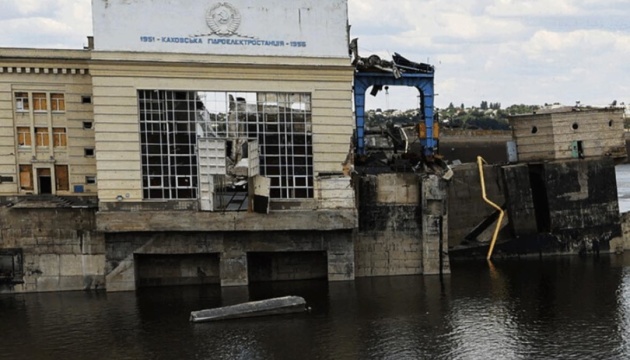
Photo: Ukrinform EN
At a glance
- Russia's report claims Ukraine is responsible for environmental damage.
- The report acknowledges severe ecological impacts from the war.
- Combat actions and infrastructure damage by Russia are directly linked to environmental degradation.
- A legal case concerning the Oskil Reservoir dam highlights military-induced ecological destruction.
- Manipulative narratives aim to evade accountability for Russian aggression.
Why it matters
The attempt to shift blame for environmental destruction illustrates Russia's ongoing efforts to manipulate perceptions surrounding its military actions in Ukraine. Understanding the truth behind these claims is crucial for the international community's response to both environmental and humanitarian issues arising from the conflict.
https://www.ukrinform.net/rubric-society/4106469-ccd-russia-shifting-blame-for-environmental-destruction-in-occupied-territories-onto-ukraine.html
Recent Developments
The Center for Countering Disinformation, part of Ukraine's National Security and Defense Council, reported that Russia is misattributing environmental damage in occupied territories. This claim emerged on March 28, 2023, with a report from Russian-controlled scientific entities.
Content of the Report
The report purports to evaluate environmental degradation dating back to the post-Soviet era. It acknowledges significant damage from the ongoing conflict, including deforestation, soil erosion, water contamination, and damage to nature reserves under Russian control.
Despite recognizing these issues, it attempts to shift blame to Ukraine, suggesting that Russia's rebuilding efforts should be acknowledged while criticizing Ukraine's alleged failures.
Criticism from Ukraine
The Center for Countering Disinformation denounces this narrative as a manipulative tactic. They assert that the ecological damage is primarily a result of Russia's invasion and military operations, documenting the adverse effects of Russian actions, such as combat operations, shelling, and destruction of critical infrastructure.
Legal and Environmental Implications
The report's release coincides with growing international concern over the environment's degradation due to the conflict. Ukrainian courts have initiated legal proceedings regarding damage to the Oskil Reservoir dam, which was destroyed by Russian forces in spring 2022.
Background
The war's environmental consequences have gained attention since the escalation in 2022. Military operations and occupation tactics are leading to severe ecological damage. Attacks on infrastructure by occupying forces are intensifying the environmental crisis in Ukraine, emphasizing the need for global action.
Source: Ukrinform EN
This report is maintained as a live newsroom article. Headlines and top paragraphs may be tightened when fresh reporting changes the clearest angle.
Newsletter
Get the next major Ukraine report
Follow the strongest verified developments with a cleaner newsroom brief and direct follow-up coverage.
Report format
Fast lead first, then fuller context.
Source photo stays distinct from any illustration.
Related coverage stays inside the same reporting thread.