News report
Russia Reluctant to Release Prisoners of War, Officials Say
Ukrainian officials stated that Russia is not in a hurry to return prisoners of war. They indicated that this reluctance stems from Russia's use of POW issues for propaganda.
Share this article
Share to social platforms, or copy the article link and share text manually.
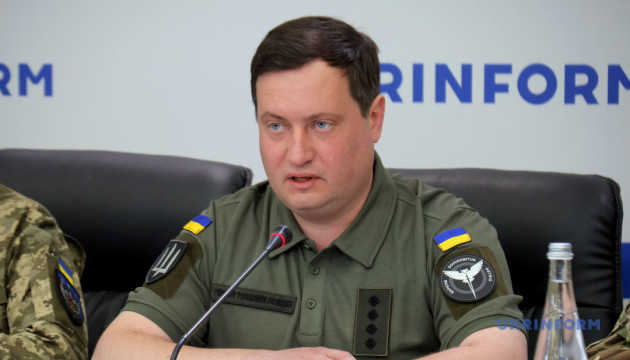
Photo: Ukrinform UA
At a glance
- Russia uses POW issues for propaganda against Ukraine.
- No motivation from Russia to return its own soldiers or Ukrainian POWs.
- Ukrainian officials demand adherence to international humanitarian laws.
- Ukraine recently returned 182 citizens and is preparing for more exchanges.
- The situation complicates humanitarian relations between the nations.
Why it matters
The reluctance of Russia to return prisoners of war highlights serious humanitarian concerns. The situation can affect international perceptions of both Ukraine and Russia, impacting diplomatic relations.
https://www.ukrinform.ua/rubric-society/4113797-usov-poasniv-comu-rosia-ne-pospisae-povertati-polonenih.html
What Happened
Ukrainian officials have shed light on Russia's reluctance to return prisoners of war. Andrii Yusov, deputy head of the Coordination Headquarters, elaborated on this issue during a recent commentary to Ukrinform. He stated that Russia’s primary motivation does not center on rescuing its own citizens or military personnel held captive.
Key Details
According to Yusov, the core reason behind Russia's behavior is its intention to exploit the situation of prisoners of war for propaganda purposes and to apply pressure on Ukraine. He emphasized that there is no motivation on Russia's part to facilitate the return of either their own soldiers or Ukrainian POWs, including civilians and those in critical health.
Yusov stated, "if a state adheres to its international obligations regarding humanitarian law, including the Geneva Conventions, there should be no issues with the return of prisoners of war. However, we are dealing with Russia." In a related context, the head of the President's Office, Kyrylo Budanov, previously indicated that Ukraine has facilitated the return of 182 citizens and is preparing for another exchange of prisoners by the end of the following week.
This exchange comes after the return of 175 military personnel and seven civilians on April 11, suggesting an effort to continue the process despite Russia's apparent obstruction.
Why It Matters
Understanding Russia's motivations regarding POWs reveals the interplay of humanitarian issues and geopolitical strategy. This situation affects many families and highlights the broader implications for international relations and humanitarian law.
Background
Russia's approach to the issue of prisoners of war has been criticized as a tactic to leverage public opinion and international perspectives to its advantage. Yusov's remarks point to a growing concern among Ukrainian officials about the treatment and welfare of both Ukrainian and Russian captives.
This reflects ongoing strains in diplomatic relations between Ukraine and Russia, exacerbated by various humanitarian concerns acknowledged internationally, especially in light of the ongoing conflict that started in 2014 and intensified in 2022.
Source: Ukrinform UA
This report is maintained as a live newsroom article. Headlines and top paragraphs may be tightened when fresh reporting changes the clearest angle.
Newsletter
Get the next major Ukraine report
Follow the strongest verified developments with a cleaner newsroom brief and direct follow-up coverage.
Report format
Fast lead first, then fuller context.
Source photo stays distinct from any illustration.
Related coverage stays inside the same reporting thread.