Breaking news
Ukraine Reports Significant Russian Casualties: 970 Troops Lost in...
Ukraine's latest casualty figures reveal that Russian military losses have reached approximately 1.29 million since the onset of the conflict, with significant troop and equipment losses reported.
Share this article
Share to social platforms, or copy the article link and share text manually.
Developing story
This page is updated as verified details move. The lead and top sections are tightened first when the clearest confirmed angle changes.
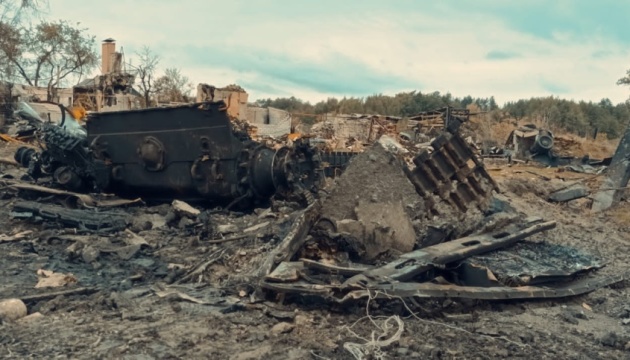
Photo: Ukrinform EN
At a glance
- Russia has lost 970 troops in a single day during the ongoing conflict.
- Total Russian military casualties are estimated at approximately 1.29 million since February 2022.
- Ukrainian forces have successfully destroyed substantial military equipment, including 11,794 tanks.
- On March 22, 116 combat engagements were reported, indicating high levels of activity on the battlefield.
- The rising military losses may have profound implications for Russia's ongoing operations and strategic decisions in Ukraine.
Why it matters
The reported losses reflect the continuing intensity and brutality of the conflict in Ukraine. High casualty figures for Russian forces could potentially impact their operational effectiveness, which may lead to significant changes in strategic decision-making moving forward. Such dynamics are crucial not only for understanding the war's progression but also for predicting future operational tactics from both sides.
https://www.ukrinform.net/rubric-ato/4104448-russia-loses-970-troops-one-multiple-launch-rocket-system-in-war-against-ukraine-over-past-day.html
Severe Casualties for Russian Forces

Recent reports from Ukraine's General Staff indicate a staggering loss of 970 Russian troops within a single day. This figure underscores the ongoing brutality and intensity of the conflict, bringing the total estimated casualties for Russian forces to approximately 1,288,850 since full-scale hostilities erupted on February 24, 2022.
Destruction of Military Equipment
Ukrainian military efforts have escalated in recent weeks, particularly in targeting Russian military assets. Key statistics reveal substantial destruction, including approximately 11,794 tanks, 24,268 armored fighting vehicles, and 38,662 artillery systems lost by Russian forces.
These figures vividly illustrate the scale of the military engagements and the notable impact of Ukrainian counteroffensives on the battlefield.
Continuous Combat Activity
The current state of the conflict is marked by relentless fighting across multiple frontlines. Just on March 22, Ukrainian forces engaged in 116 separate combat encounters, reflecting the high intensity of military operations and the ongoing struggle for control in contested areas.
Strategic Implications of Rising Casualties
The alarming increase in casualty figures carries significant consequences for Russia's military strategy in Ukraine. With rising personnel losses, critical decisions regarding troop deployments, resource allocation, and operational tactics are likely to be affected.
Such developments could lead to shifts in logistics and morale among Russian troops, prompting potential reconsiderations of their strategic calculus on the ground.
Broader Context and Future Outlook
These casualty reports serve as a stark reminder of the war's escalating toll on the combatants involved. The steep losses incurred by Russian forces may not only hinder their operational effectiveness but also reshape the overall trajectory of the conflict.
Observers and analysts must closely monitor how these dynamics play out, as they could forecast shifts in future military strategies for both Ukrainian and Russian forces as the war continues to unfold.
Source: Ukrinform EN
This report is maintained as a live newsroom article. Headlines and top paragraphs may be tightened when fresh reporting changes the clearest angle.
Newsletter
Get the next breaking Ukraine update
Receive the fastest lead, key facts, and follow-up links in one concise newsroom note.
Breaking format
The lead carries the core fact first.
Key figures and locations stay near the top.
Related coverage tracks the same reporting line.