Breaking news
Russia Launches Drone and Missile Attack on Ukraine (2)
On April 14, Ukrainian air defense reported intercepting 114 drones and one missile amid a Russian attack that began on April 13. The assault involved four missiles and 129 drones.
Share this article
Share to social platforms, or copy the article link and share text manually.
Developing story
This page is updated as verified details move. The lead and top sections are tightened first when the clearest confirmed angle changes.
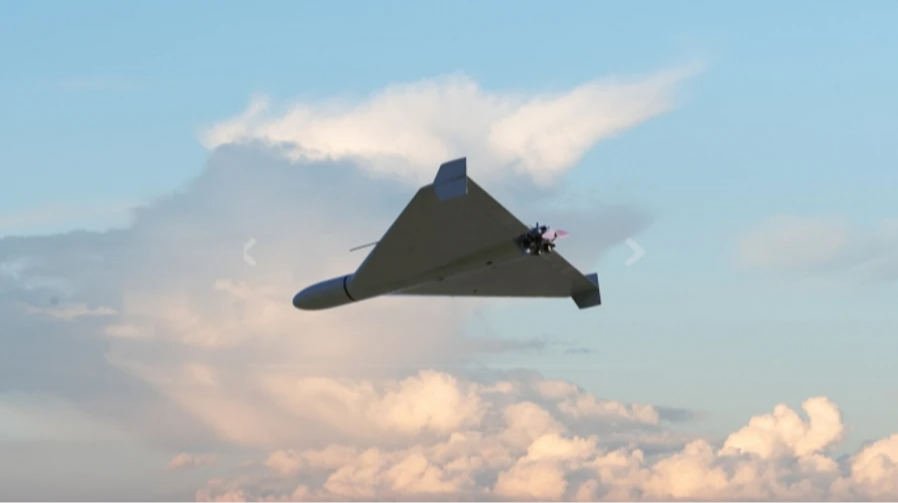
Photo: Ukrainska Pravda UA
At a glance
- Russian forces launched four missiles and 129 drones on April 13-14.
- Ukrainian air defense intercepted 114 drones and one missile.
- The attacks originated from several Russian cities and occupied territories.
- Approximately 90 of the drones were identified as Shahed-type.
- The strikes included hits on eight locations, causing damage.
Why it matters
The attack underscores the persistent threat from Russia, affecting civilian and military infrastructure in Ukraine. Ongoing drone and missile assaults challenge Ukraine's defense capabilities, amplifying the urgency for effective countermeasures.
https://www.pravda.com.ua/news/2026/04/14/8030048/
What Happened
Russian forces launched an attack on Ukraine starting on the evening of April 13. The assault involved four Kh-59/69 guided missiles and 129 drones, with Ukrainian air defense managing to intercept a significant number.
Ukrainian air defense forces successfully destroyed 114 drones and one missile before 08:00 on April 14. However, the attack also resulted in several successful strikes, with 12 drones hitting eight locations.
Key Details
Ukrainian Air Force reported the details through their Telegram channel. The attacks originated from temporarily occupied areas in Donetsk Oblast and were launched from several Russian cities, including Kursk, Orel, Bryansk, and from Crimea.
Approximately 90 of the drones employed were categorized as Shahed-type. The defense effort involved aircraft, anti-aircraft missile systems, electronic warfare units, and mobile fire groups of Ukraine's defense forces.
Why It Matters
This recent escalation highlights ongoing threats posed by Russian forces to Ukrainian territory and infrastructure. Continuous drone and missile attacks create challenges for Ukraine’s air defense systems and civilian safety, particularly with the involvement of multiple launch sites across occupied areas.
Background
The latest attack comes amid a broader pattern of aerial assaults on Ukraine, targeting both military and civilian infrastructure. Just hours before the April 14 attack, Russian strikes damaged a Panamanian-flagged vessel and port facilities in Izmail, located in Odesa Oblast.
Such incidents contribute to the overall volatility in the region as military engagements persist. The evolving military strategies of Russian forces point to an increased reliance on drones, which puts strain on Ukraine’s air defense capabilities.
As Ukrainian forces adapt to these threats, the situation remains critical for both military operations and civilian life in the affected areas.
Source: Ukrainska Pravda UA
This report is maintained as a live newsroom article. Headlines and top paragraphs may be tightened when fresh reporting changes the clearest angle.
Newsletter
Get the next breaking Ukraine update
Receive the fastest lead, key facts, and follow-up links in one concise newsroom note.
Breaking format
The lead carries the core fact first.
Key figures and locations stay near the top.
Related coverage tracks the same reporting line.