Breaking news
Rocket Strike Injures Civilians in Kharkiv's Kyiv District
A rocket attack in Kharkiv's Kyiv district on March 27 resulted in civilian injuries. Mayor Ihor Terekhov provided updates via Telegram about the incident.
Share this article
Share to social platforms, or copy the article link and share text manually.
Developing story
This page is updated as verified details move. The lead and top sections are tightened first when the clearest confirmed angle changes.
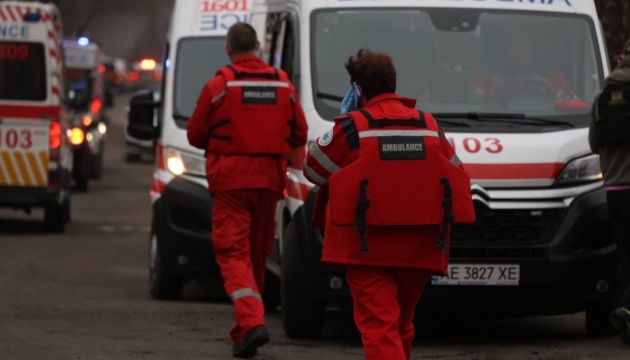
Photo: Ukrinform UA
At a glance
- The Kyiv district of Kharkiv was struck by a rocket on March 27.
- Several civilians sustained injuries as a result of the attack.
- Mayor Ihor Terekhov confirmed details of the incident.
- Information regarding the exact number and severity of injuries is still awaited.
- Rocket attacks on Ukrainian cities have increased amid recent military escalations.
Why it matters
This rocket strike exemplifies the persistent risks that civilians endure in conflict zones like Kharkiv. It sheds light on the ongoing challenges related to urban safety during wartime and highlights the critical need for humanitarian assistance and community support in the face of such violence.
https://www.ukrinform.ua/rubric-regions/4106046-rosiani-vdarili-po-harkovu-raketou-e-poraneni.html
What Happened
On March 27, the Kyiv district of Kharkiv was hit by a rocket, injuring several civilians in a shocking escalation of violence. Mayor Ihor Terekhov confirmed the incident, which has left the community shaken and on high alert.
This attack comes amidst a backdrop of ongoing military tensions in the region, highlighting the unrelenting dangers that civilians continue to face in urban areas. Eyewitnesses recounted a scene of chaos and panic following the explosion.
Key Details
Although local authorities have not disclosed specifics regarding the number of injuries or their severity, the community is left grappling with fear and uncertainty. The psychological impact of such an event can be just as damaging as physical injuries, with many residents now living in a state of perpetual anxiety about potential future strikes.
The context of this incident is critical. Kharkiv has been experiencing heightened vulnerability, particularly in urban locales where civilian populations are dense. Over recent months, the city has endured an increase in rocket and missile strikes, which have not only caused physical destruction but have also instilled a climate of fear among its residents.
Why It Matters
This rocket strike exemplifies the persistent risks that civilians endure in conflict zones like Kharkiv. It sheds light on the ongoing challenges related to urban safety during wartime and highlights the critical need for humanitarian assistance and community support in the face of such violence.
Background
Many families have been forced to reassess their safety and security measures as the threat of violence looms larger. In response to this latest attack, local officials are reassessing their emergency response protocols.
Authorities urge residents to remain vigilant, emphasizing the importance of having access to shelters and alert systems in an evolving conflict landscape. As attacks continue, the need for effective emergency preparedness and community resilience becomes ever more pressing to safeguard the well-being of residents amid heightened risks.
The impact of the rocket strike in Kharkiv serves as a stark reminder of the ongoing conflict's toll on civilians. It underscores the urgent need for broader discussions on urban safety and humanitarian support in regions affected by war.
In times of escalation, it is crucial for communities to rally together while international attention is drawn to humanitarian needs exacerbated by such violence.
Source: Ukrinform UA
This report is maintained as a live newsroom article. Headlines and top paragraphs may be tightened when fresh reporting changes the clearest angle.
Newsletter
Get the next breaking Ukraine update
Receive the fastest lead, key facts, and follow-up links in one concise newsroom note.
Breaking format
The lead carries the core fact first.
Key figures and locations stay near the top.
Related coverage tracks the same reporting line.