News report
Over 130 Combat Incidents Reported on Ukraine Frontlines
On May 1, Ukraine's defense forces recorded 138 combat incidents with Russian forces. The General Staff of Ukraine reported the intensity of these clashes on May 2.
Share this article
Share to social platforms, or copy the article link and share text manually.
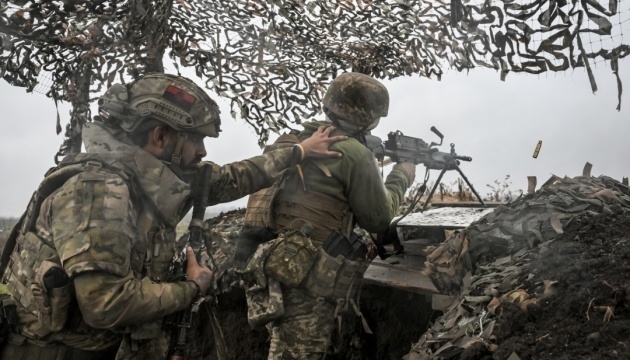
Photo: Ukrinform UA
At a glance
- 138 combat incidents recorded on May 1.
- 89 aerial attacks conducted by Russian forces.
- Ukrainian military strikes successfully targeted enemy command and artillery.
- Significant clashes reported in Pokrovsk and Huliaipole sectors.
- Russian military losses since 2022 reach approximately 1.33 million.
Why it matters
The ongoing combat incidents point to a strong persistence of military conflict between Ukraine and Russia. Understanding these developments is critical for assessing the broader implications for security and humanitarian needs in Ukraine.
https://www.ukrinform.ua/rubric-ato/4118858-na-fronti-za-dobu-138-boezitknen-najbilse-atak-na-pokrovskomu-ta-gulajpilskomu-napramkah.html
What Happened
On May 1, Ukraine's frontline saw 138 recorded combat incidents between Ukrainian defense forces and Russian troops. As detailed by the General Staff of Ukraine on May 2, this escalation follows a sustained period of heightened military activity in various regions.
Key Details
The Russian armed forces executed 89 aerial strikes, deploying 270 guided bombs. They also utilized 9,976 kamikaze drones and conducted 3,379 bombardments, including 42 from multiple launch rocket systems.
Notable areas impacted include Pysantsi in the Dnipropetrovsk region and several localities in the Zaporizhzhia region. Combat efforts from the Ukrainian side were focused and strategic, with successful strikes reported against an enemy command post, two artillery systems, and other key military assets.
In the Northern Slobozhansky and Kursk directions, three clashes occurred, with 100 bombardments reported. Only a few incidents were documented in the Siversky area, while in the Southern Slobozhansky region, the Ukrainian forces repelled eight assaults near various locations.
In the Liman sector, Ukrainian troops successfully repelled 13 attempts by the Russians to advance, while the Sloviansk area saw four enemy attempts thwarted. The Kramatorsk area remained quiet, with no enemy operations conducted.
Why It Matters
The number of combat incidents indicates a significant level of ongoing military engagement along the frontlines, particularly in Pokrovsk and Huliaipole directions. This continuing conflict has implications for regional stability and humanitarian conditions in affected areas.
Background
The ongoing hostilities began in 2022 with Russia's full-scale invasion of Ukraine. Since then, both sides have experienced shifts in military strategy and territorial control. Current reports suggest sustained clashes, indicative of a protracted conflict with little immediate resolution in sight.
Accurate figures regarding military casualties highlight the severity of the ongoing conflict, with Russian military losses reported at approximately 1,332,950 personnel since February 24, 2022, according to the General Staff of Ukraine.
Source: Ukrinform UA
This report is maintained as a live newsroom article. Headlines and top paragraphs may be tightened when fresh reporting changes the clearest angle.
Newsletter
Get the next major Ukraine report
Follow the strongest verified developments with a cleaner newsroom brief and direct follow-up coverage.
Report format
Fast lead first, then fuller context.
Source photo stays distinct from any illustration.
Related coverage stays inside the same reporting thread.