News update
Clashes Decline in Kharkiv, Sumy, and Lyman Regions Amid Russian Mi...
In recent weeks, the frequency of clashes in Kharkiv, Sumy, and Lyman regions has decreased significantly, reflecting changes in Russian military operations and command structure.
Share this article
Share to social platforms, or copy the article link and share text manually.
Developing story
This page is updated as verified details move. The lead and top sections are tightened first when the clearest confirmed angle changes.
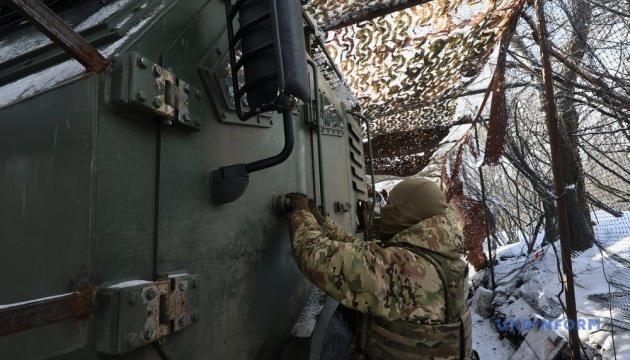
Photo: Ukrinform
At a glance
- The number of clashes in Kharkiv, Sumy, and Lyman regions has significantly decreased.
- The reduction is attributed to Russian military regrouping and challenges within their command structure.
- The lull in hostilities provides essential opportunities for humanitarian aid efforts.
- The situation may prompt shifts in international military assistance strategies.
- Ongoing monitoring is critical as the security landscape continues to evolve.
Why it matters
The decline in hostilities in Kharkiv, Sumy, and Lyman regions is vital for analyzing current security dynamics, impacting international diplomatic and military responses. This understanding is crucial for effective humanitarian efforts aimed at ensuring civilian safety and resilience amid the ongoing conflict.
https://www.ukrinform.net/rubric-ato/4098228-number-of-clashes-in-kharkiv-sumy-regions-and-in-lyman-sector-significantly-decreases-in-recent-weeks-trehubov.html
Recent Developments in Kharkiv, Sumy, and Lyman Regions
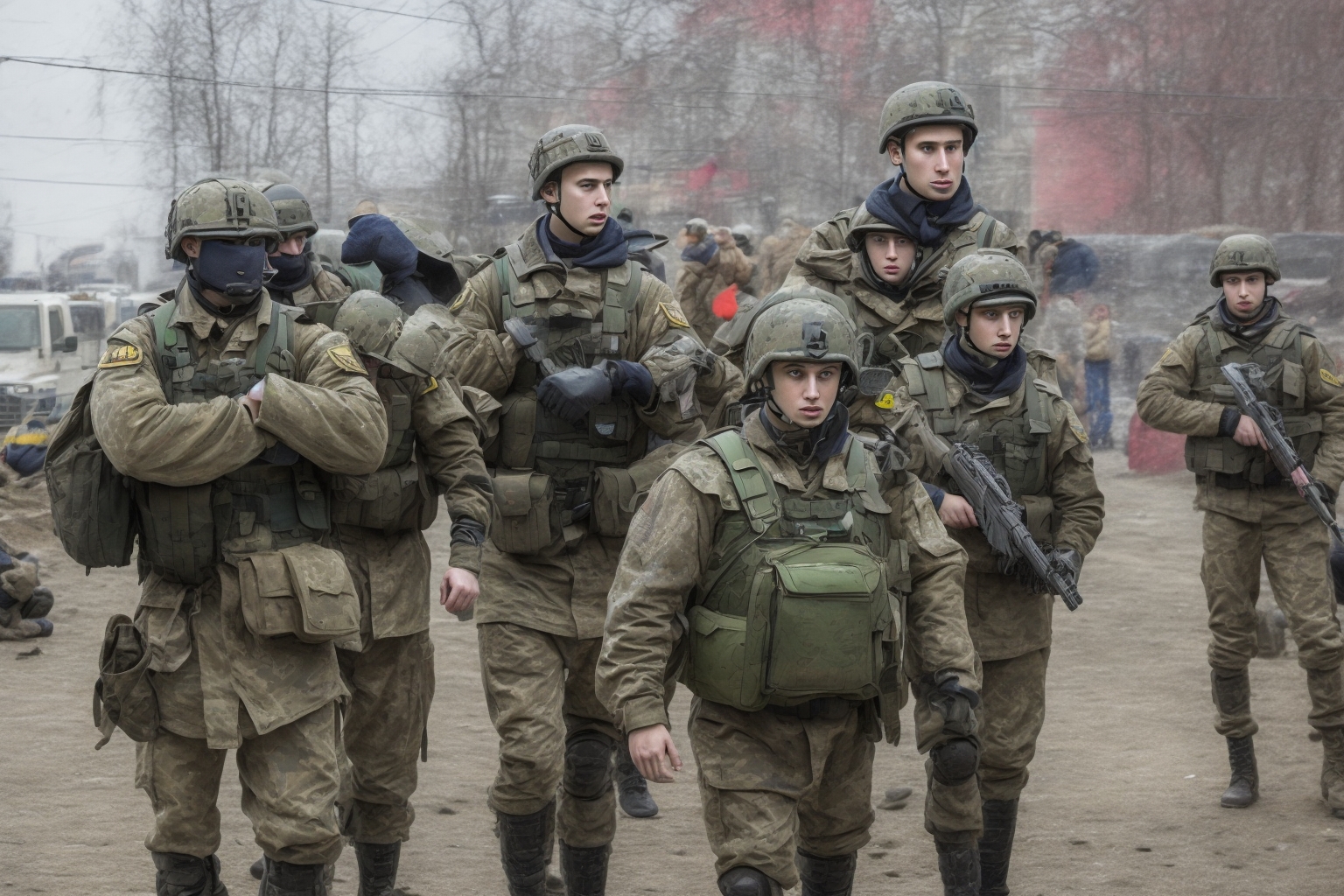
The foundation of conflict in Ukraine has shifted in recent weeks, particularly evident in the Kharkiv, Sumy, and Lyman regions, where clashes involving Russian forces have diminished markedly. This notable decline is largely linked to military regrouping by Russian troops and emerging complications within their command hierarchy, which have been exacerbated by the loss of satellite communications, notably Starlink capabilities.
As these military operations evolve, analysts are closely observing the implications for strategic stability in the region.
Opportunities for the Ukrainian Forces
With the reduction in hostilities, Ukrainian forces have been presented with a vital window to refit and resupply. This resurgence of capacity comes at a crucial time, as the return to more stable conditions allows for strategic planning and logistical coordination.
Despite the ongoing potential for sporadic skirmishes, the overall landscape of conflict has shifted, marking an important transition in operational dynamics. The Ukrainian military is seizing this opportunity to bolster its preparedness while remaining vigilant against the potential for renewed aggression.
Strategic and Humanitarian Implications
The implications of this decrease in clashes transcend the immediate battlefield. A calmer environment opens pathways for humanitarian aid to reach affected civilians, highlighting the urgent need for ongoing assistance amidst the conflict.
Additionally, as the security dynamics continue to transform, there may be significant shifts in international military assistance strategies, with foreign allies reassessing their support mechanisms based on the evolving situation. Continuous monitoring of these developments is essential to inform effective military and humanitarian strategies moving forward.
Conclusion
In conclusion, the sharp decline in clashes within these key regions underscores critical changes in the operational matrix of the conflict in Ukraine. Understanding these developments is essential not only for strategic military assessments but also for crafting responses to the humanitarian needs that arise in crisis-affected areas.
Source: Ukrinform
This report is maintained as a live newsroom article. Headlines and top paragraphs may be tightened when fresh reporting changes the clearest angle.
Newsletter
Get the next Ukraine update
Track the latest policy, diplomacy, aid, and security changes without losing the thread.
Update format
This template prioritizes developments over recap.
Context stays short and tied to the current turn in the story.
The page is designed for repeat readers checking what changed.