News report
NATO's Military Aid Plan for Ukraine Blocked by Five Countries
A NATO plan to allocate 0.25% of GDP from member countries for military aid to Ukraine has been blocked by the UK, France, Spain, Italy, and Canada. According to The Telegraph, NATO Secretary General Mark Rutte acknowledged the lack of unanimous support.
Share this article
Share to social platforms, or copy the article link and share text manually.
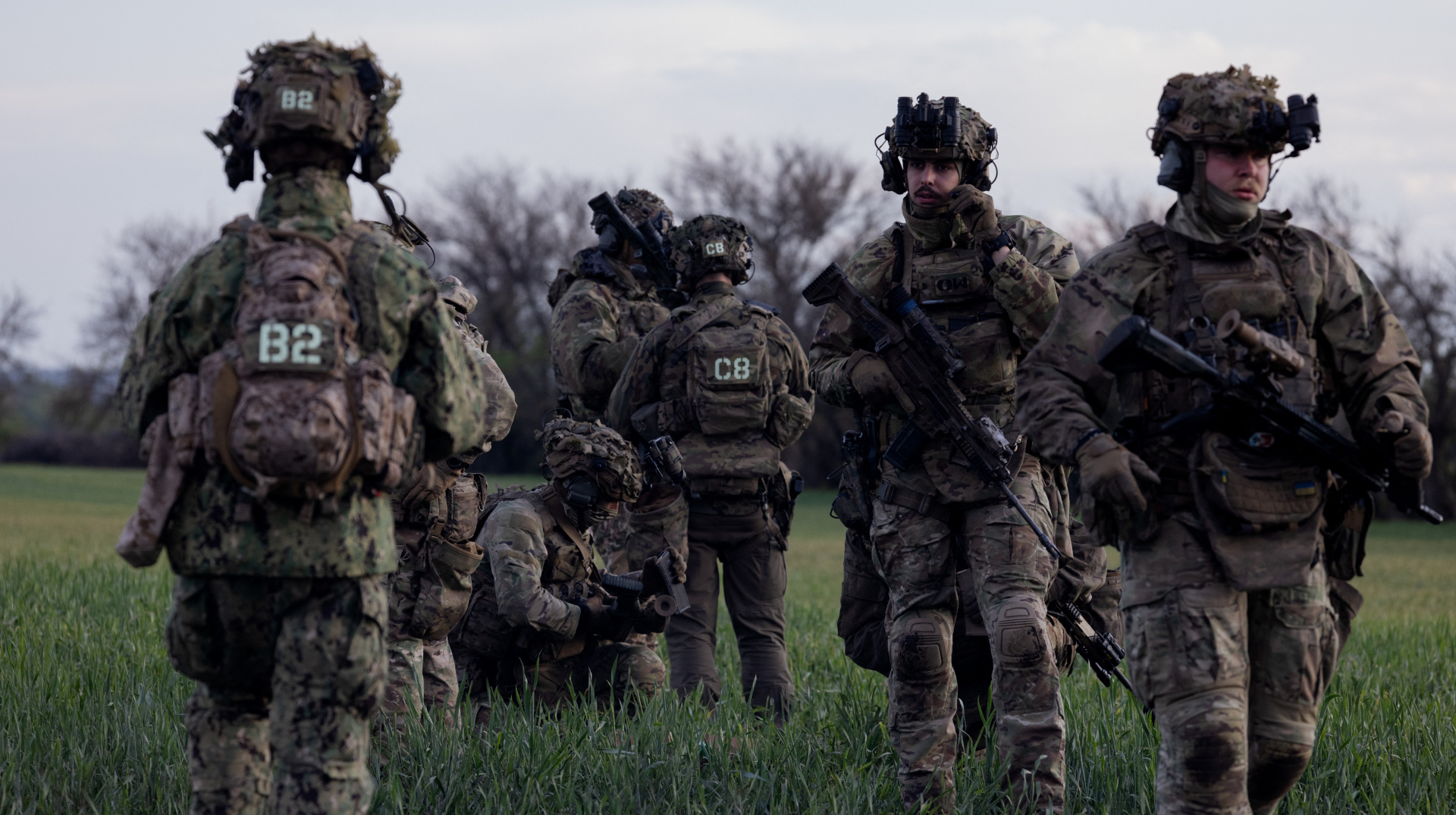
Photo: Ukrainska Pravda UA
At a glance
- UK, France, Spain, Italy, and Canada blocked NATO's military aid plan for Ukraine.
- The proposed aid was 0.25% of GDP from NATO member countries.
- At least seven NATO countries support the proposal, including Netherlands and Poland.
- Rutte highlighted uneven distribution of military support among NATO allies.
- Concerns raised regarding military expenditures from opposing nations.
Why it matters
The blockage of the NATO military aid initiative signals a critical gap in member states' commitment to supporting Ukraine. This lack of agreement could severely impact Ukraine's ability to defend itself, affecting the broader European security landscape.
https://www.pravda.com.ua/news/2026/05/25/8036250/
What Happened
NATO Secretary General Mark Rutte's proposal to allocate 0.25% of GDP from member states for military assistance to Ukraine has faced significant opposition. The United Kingdom, France, Spain, Italy, and Canada have effectively blocked this initiative.
Reports indicate that this decision stems from a lack of consensus among NATO allies. Despite the initiative gaining some traction among several NATO members, including the Netherlands and Poland, opposition from these five countries prevented it from moving forward.
Rutte had hoped that the plan would be approved during the upcoming NATO summit in Ankara. According to sources, the opposition states expressed their reluctance to support the idea, citing concerns about their own military expenditures and capabilities.
Key Details
The UK, which has one of the largest military contributions to NATO, currently allocates only about 0.1% of its GDP for military support related to Ukraine. This has raised eyebrows among other member nations that meet or exceed the proposed 0.25% threshold.
Numerous reports suggest that at least seven NATO countries are already contributing at this higher level. Among those countries supporting the proposal are the Baltic states and northern European nations, indicating a divide in commitment to military aid within NATO.
The current opposition highlights a growing frustration among allies, as the burden of military support for Ukraine is perceived as unevenly distributed. Rutte's assertions regarding insufficient contributions from certain NATO members suggest rising tensions over defense responsibilities in the alliance.
Swedish Prime Minister Ulf Kristersson expressed a desire for more countries to match their verbal support with financial commitments.
Why It Matters
The failure to achieve consensus on military aid to Ukraine reflects deeper divisions within NATO regarding defense spending and military support commitments. Such disagreements may impact Ukraine's defense capabilities as it continues to confront challenges on multiple fronts. This situation also exposes the complexities of building a united front among NATO allies in response to international security threats.
Background
The call for increased military aid to Ukraine intensified after Minister of Defense Oleksii Reznikov highlighted the need for greater financial allocations from NATO members during a Rammstein-format meeting in December 2022. At that time, commitments were made by the Baltic states to contribute at least 0.25% of GDP to defense needs for Ukraine.
On May 22, 2023, Rutte introduced the proposal for NATO partners to consider a long-term military support agreement that would include the 0.25% contribution. The intention was to establish a more stable framework for military assistance to Ukraine amid ongoing conflict.
However, the recent developments demonstrate that achieving a unified strategy among NATO nations remains a challenging endeavor.
Source: Ukrainska Pravda UA
This report is maintained as a live newsroom article. Headlines and top paragraphs may be tightened when fresh reporting changes the clearest angle.
Newsletter
Get the next major Ukraine report
Follow the strongest verified developments with a cleaner newsroom brief and direct follow-up coverage.
Report format
Fast lead first, then fuller context.
Source photo stays distinct from any illustration.
Related coverage stays inside the same reporting thread.