News update
Military and Construction Waste in Ukraine Could Generate Energy
Millions of tons of military and construction waste in Ukraine could be converted into energy, according to Turkish expert Ali Rıza Öner. This insight highlights a potential solution for Ukraine's energy needs amidst ongoing challenges.
Share this article
Share to social platforms, or copy the article link and share text manually.
Developing story
This page is updated as verified details move. The lead and top sections are tightened first when the clearest confirmed angle changes.
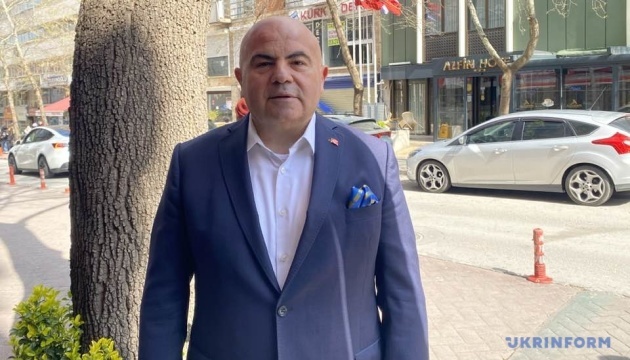
Photo: Ukrinform EN
At a glance
- Military and construction waste in Ukraine offers potential for energy conversion.
- A structured waste management system involves sorting, processing, and safe disposal.
- Energy generated could provide heating and electricity to urban populations.
- Environmental risks from unmanaged waste remain a serious concern.
- Turkey may collaborate with Ukraine in developing waste-to-energy facilities.
Why it matters
Harnessing waste for energy could alleviate Ukraine's energy shortages while addressing hazardous waste disposal. This strategy combines environmental responsibility with practical energy solutions.
https://www.ukrinform.net/rubric-economy/4119151-military-and-construction-waste-in-ukraine-could-become-additional-source-of-energy-says-turkish-expert.html
What Happened
A Turkish expert has proposed that the vast amounts of military and construction waste in Ukraine, accumulated due to the war, could serve as an additional energy source. Ali Rıza Öner, president of TAYED, shared these insights in a recent comment to Ukrinform.
Key Details Öner explained that a systematic approach to waste management could yield energy. The first step involves sorting waste into categories such as hazardous, medical, military, and construction.
Next, establishing regional processing centers equipped to handle each waste type is crucial. Finally, effective disposal and energy production processes must be implemented. Öner emphasized that this requires specialized incineration plants that meet European emissions standards to ensure safety and efficiency.
He noted that the advantages of this approach extend beyond energy generation. Heat produced can be used for residential heating, while steam can drive electricity generation, thereby contributing significantly to Ukraine's energy supply.
Öner provided context based on Turkish experience, stating such facilities typically take 1.5 to 3 years to build and cost between $60 million and $180 million. These plants can handle the disposal of 500 to 2,000 tons of waste daily.
He cautioned, however, that landfill waste remains hazardous and poses long-term environmental risks, particularly if not managed correctly. Construction waste, which can include various harmful materials like asbestos and chemicals, presents additional challenges in disposal.
Öner highlighted that leaving such waste unmanaged could threaten public health. Furthermore, as Ukraine's defense industry expands, managing military production waste is becoming a crucial concern.
Öner cited the potential for Turkish companies to partner with Ukraine, leveraging their expertise in waste management. According to reports from the State Environmental Inspectorate, the environmental damage in Ukraine from the war has exceeded 6.4 trillion hryvnia, underscoring the urgency of effective waste management solutions.
Why It Matters
Converting waste into energy represents a dual solution for Ukraine's energy crisis and its growing waste management issues. The plan could aid urban heating and electricity supply while mitigating public health risks associated with hazardous waste.
Background
Since the onset of Russia's full-scale invasion, Ukraine has faced significant challenges, including environmental degradation and waste management concerns. The war has led to the accumulation of millions of tons of waste, necessitating innovative solutions for energy sustainability and health safety. Addressing these issues promptly is crucial for Ukraine's recovery and development plans as the conflict evolves.
Source: Ukrinform EN
This report is maintained as a live newsroom article. Headlines and top paragraphs may be tightened when fresh reporting changes the clearest angle.
Newsletter
Get the next Ukraine update
Track the latest policy, diplomacy, aid, and security changes without losing the thread.
Update format
This template prioritizes developments over recap.
Context stays short and tied to the current turn in the story.
The page is designed for repeat readers checking what changed.