News update
Merz and Trump Discuss Ukraine and Middle East Crises
The conversation examined the complexities of the Ukraine conflict and tensions in the Middle East, underscoring the importance of continued communication between world leaders.
Share this article
Share to social platforms, or copy the article link and share text manually.
Developing story
This page is updated as verified details move. The lead and top sections are tightened first when the clearest confirmed angle changes.
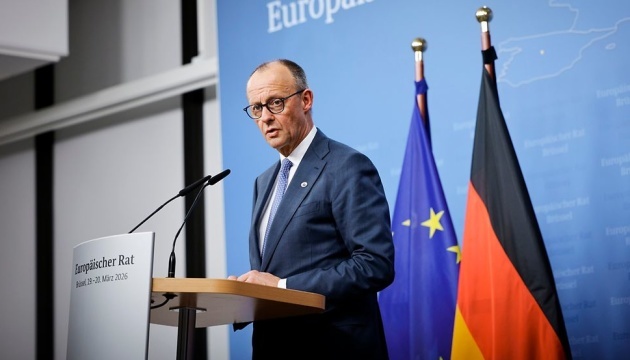
Photo: Ukrinform EN
At a glance
- Merz and Trump discussed Ukraine and escalating tensions in the Middle East.
- Merz emphasized the need for European involvement in conflict resolution talks.
- The conversation aims to maintain robust dialogue between Germany and the U.S.
- Previous meetings have focused on the necessity of collective efforts against Russia.
- Continuous communication is key as international dynamics evolve.
Why it matters
The discussions between Merz and Trump highlight the importance of international cooperation in addressing simultaneous crises in Ukraine and the Middle East. Engaging European perspectives is essential for a comprehensive approach to these conflicts.
https://www.ukrinform.net/rubric-polytics/4104380-merz-reports-on-conversation-with-trump-discussed-ukraine-and-iran.html
Key Conversations on Global Stability

German Federal Chancellor Friedrich Merz spoke with U.S. President Donald Trump about the deteriorating conditions in the Middle East and the ongoing conflict in Ukraine.
Merz shared insights from their conversation on social media, highlighting the urgent need for continued dialogue. Both leaders reiterated their commitment to maintaining close communication as the situations evolve.
Merz identified rising tensions related to Iran as a key factor impacting global stability, linking these issues to Russia's actions in Ukraine.
Importance of Cooperation
Merz emphasized the need for collaboration among international leaders to effectively address these challenges. During a recent meeting in Washington, he encouraged Trump to involve European representatives in trilateral discussions regarding the Ukraine conflict.
He indicated that meaningful progress hinges on European participation, calling for a unified approach among Western allies against Russian aggression. The specifics of Trump's response were not detailed, but their ongoing dialogue may suggest a step toward enhanced coordinated efforts.
Implications for Western Policy
The discussions illustrate a growing recognition among European leaders of the necessity for stronger engagement with the U.S. on security issues, especially given the interconnected nature of regional conflicts.
As these conversations progress, they may shape Western policy toward Russia and the Middle East. Keeping Ukraine's situation as a focal point in international discussions is vital for future responses to the conflict.
These dialogues could influence public perception and policy in both Europe and the U.S., and sustained engagement may help consolidate a united front against regional threats across the Atlantic.
Source: Ukrinform EN
This report is maintained as a live newsroom article. Headlines and top paragraphs may be tightened when fresh reporting changes the clearest angle.
Newsletter
Get the next Ukraine update
Track the latest policy, diplomacy, aid, and security changes without losing the thread.
Update format
This template prioritizes developments over recap.
Context stays short and tied to the current turn in the story.
The page is designed for repeat readers checking what changed.