News report
Lviv Puppet Theater Rejects Soviet-Era Honors in Cultural Shift
The Lviv Academic Puppet Theater's decision to reject Soviet-era honors signifies a major cultural shift in Ukraine, reflecting a move away from colonial influences.
Share this article
Share to social platforms, or copy the article link and share text manually.
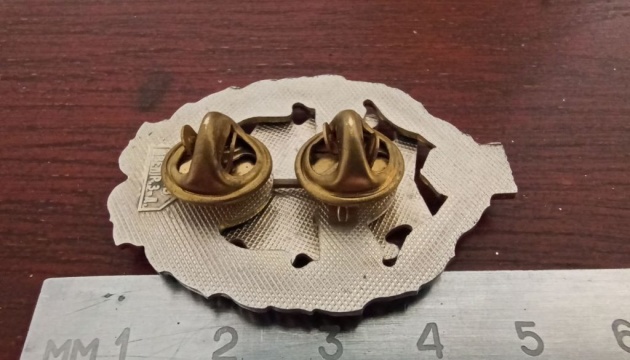
Photo: Ukrinform UA
At a glance
- The Lviv Academic Puppet Theater ceases use of Soviet-era honorary titles.
- The entire theater staff supports this decision, signaling a unified front.
- Critiques of these honors emphasize their outdated and colonial nature.
- The theater advocates for cultural decolonization in Ukraine.
- They urge the Ministry of Culture to abolish these titles nationally.
Why it matters
This decision reflects Ukraine's broader cultural renaissance, demonstrating a commitment to moving away from colonial legacies and redefining artistic merit. The Lviv Puppet Theater's stance on renouncing Soviet-era titles is a powerful call for cultural independence that resonates with the Ukrainian population's aspirations.
https://www.ukrinform.ua/rubric-culture/4103558-u-lvovi-teatr-lalok-vidmovivsa-vid-derzavnih-zvan.html
Decision to Renounce Honors

The Lviv Academic Puppet Theater has made a significant decision to renounce all Soviet-era honorary titles, a move that has prompted discussions around cultural identity and artistic merit in Ukraine. This announcement was shared on the theater's official Facebook page, underscoring a clear opposition to outdated honors associated with the country’s Soviet past.
Collective Statement
In a decisive rejection of the titles 'Honored Artist of Ukraine' and 'People's Artist of Ukraine', the theater's leadership, including Chief Director Yana Tytarenko and Artistic Director Ulyana Moroz, have united their ensemble in support of this initiative. Their collective stance reflects a desire for a new, relevant method to acknowledge artistic contributions that align with contemporary Ukrainian values.
Broader Implications
This action represents more than just a shift in individual accolades; it also critiques the cultural frameworks that historically influenced artistic recognition for specific purposes. The theater argues that these titles are outdated and reinforce artistic hierarchies detached from authentic talent and creativity.
By renouncing them, they challenge a system that has historically favored artists and narratives aligned with Soviet ideologies.
Appeal for Change
The Lviv Puppet Theater’s rejection of these honors also critiques a colonial mindset. They point out that similar to Russian artists, many Ukrainian artists received these Soviet accolades, perpetuating a cultural legacy that Ukraine seeks to overcome.
In this light, the theater is urging the Ministry of Culture to abolish these honors nationally and to create new standards celebrating true artistic excellence and originality.
Cultural Decolonization
This decision aligns with Ukraine's wider efforts toward cultural decolonization, aimed at removing remnants of Soviet symbolism from the nation's narrative. Amid ongoing geopolitical tensions and Russia's aggression, Ukraine is actively working to reclaim its cultural autonomy and reshape its national identity.
The theater's decision exemplifies a pivotal moment in this cultural renaissance, promoting a reevaluation of artistic recognition in a post-Soviet context.
Conclusion
Ultimately, the Lviv Puppet Theater's rejection of Soviet-era honors is a powerful statement on cultural self-determination in Ukraine. By discarding these longstanding distinctions, they not only pave the way for a new artistic narrative but also encourage other institutions to redefine their connections to a Soviet past that has historically overshadowed authentic Ukrainian culture.
Source: Ukrinform UA
This report is maintained as a live newsroom article. Headlines and top paragraphs may be tightened when fresh reporting changes the clearest angle.
Newsletter
Get the next major Ukraine report
Follow the strongest verified developments with a cleaner newsroom brief and direct follow-up coverage.
Report format
Fast lead first, then fuller context.
Source photo stays distinct from any illustration.
Related coverage stays inside the same reporting thread.