News update
Lavrov: Russia Open to Negotiations, Not High Priority
On April 18, Russian Foreign Minister Sergei Lavrov indicated that the Kremlin is prepared for negotiations with Ukraine. However, he clarified that this is not currently a priority for Russia.
Share this article
Share to social platforms, or copy the article link and share text manually.
Developing story
This page is updated as verified details move. The lead and top sections are tightened first when the clearest confirmed angle changes.
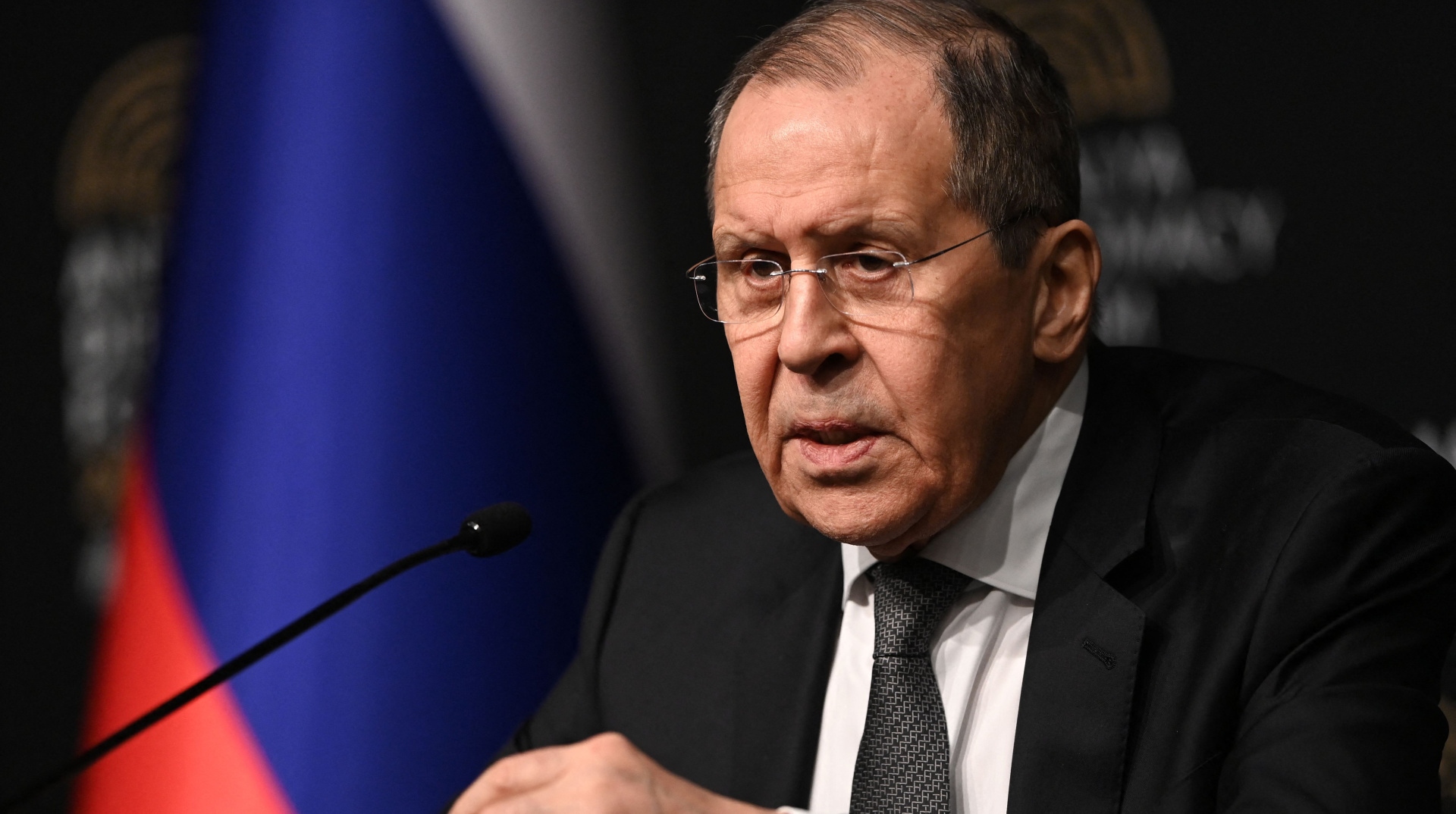
Photo: Ukrainska Pravda EN
At a glance
- Lavrov states Russia is open to negotiations with Ukraine.
- Negotiations are not currently a top priority for Russia.
- Zelenskyy announced postponement of trilateral talks with the U.S. on March 9.
- Turkey has offered to host the next round of talks.
- Kremlin acknowledges a pause in talks but is open to future dialogue.
Why it matters
Lavrov's statement reflects Russia's current diplomatic stance towards Ukraine, revealing a readiness for dialogue that may influence future negotiations. Understanding these positions is vital for stakeholders in addressing the conflict's resolution.
https://www.pravda.com.ua/eng/news/2026/04/18/8030736/
What Happened
On April 18, 2023, Sergei Lavrov, the Russian Foreign Minister, announced that Russia is willing to engage in negotiations with Ukraine. This statement was made during an audio comment shared via the Telegram channel Vy slushali mayak.
Lavrov emphasized that while the Kremlin is open to resuming discussions, the focus on negotiations is not Russia's highest priority. In his comments, he mentioned, "We have never imposed negotiations on anyone.
We have always proceeded from the assumption that if a partner is ready, then there will be no delay on our side."
Key Details
The statement from Lavrov comes amidst a backdrop of stalled talks between Ukraine, Russia, and the United States. On March 9, Ukrainian President Volodymyr Zelenskyy announced the postponement of trilateral talks that were to include the U.S.
On March 10, he revealed that Turkish President Recep Tayyip Erdoğan expressed willingness to facilitate the next discussions. Kremlin spokesman Dmitry Peskov noted that the suspension of talks is temporary and contingent on aligning the schedules of all parties, particularly the Americans.
By March 26, Zelenskyy reiterated the seriousness of Ukraine's negotiations and suggested that higher-level discussions among national leaders would be more effective. The Kremlin acknowledged a lack of progress on territorial issues during the discussions but reiterated its openness to further dialogue.
Why It Matters
Lavrov's remarks reflect the Kremlin's complex stance on negotiations, indicating a willingness to talk while prioritizing other objectives. This signals ongoing tensions and uncertainty in the diplomatic landscape regarding Ukraine and its allies.
Background
The war in Ukraine has been marked by intermittent talks and long-standing territorial disputes. Military advancements and political posturing have continually complicated the negotiation landscape.
Recent developments highlight a potential window for renewed discussions, depending on the readiness of Ukraine and its allies. With the involvement of third-party nations such as Turkey, the scope for diplomacy may shift, affecting future engagements between Ukraine and Russia.
Observers note that any breakthrough in talks could significantly alter the ongoing conflict's trajectory, potentially leading to peace negotiations or prolonged hostilities.
Source: Ukrainska Pravda EN
This report is maintained as a live newsroom article. Headlines and top paragraphs may be tightened when fresh reporting changes the clearest angle.
Newsletter
Get the next Ukraine update
Track the latest policy, diplomacy, aid, and security changes without losing the thread.
Update format
This template prioritizes developments over recap.
Context stays short and tied to the current turn in the story.
The page is designed for repeat readers checking what changed.