News report
Kremlin Skeptical of Zelensky's Easter Truce Proposal
On March 31, the Kremlin reacted skeptically to President Zelensky's proposal for an Easter truce amidst ongoing hostilities. Kremlin spokesperson Dmitry Peskov conveyed doubts about the initiative's clarity.
Share this article
Share to social platforms, or copy the article link and share text manually.
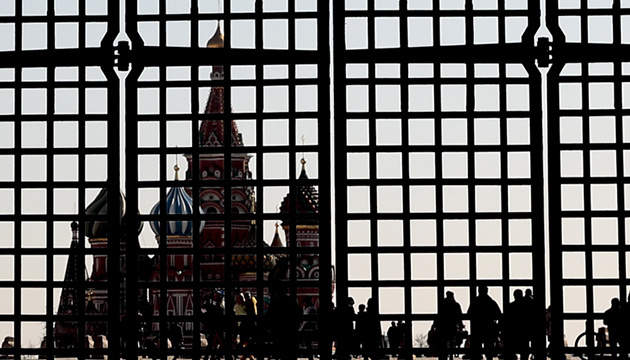
Photo: Ukrinform EN
At a glance
- Kremlin doubts the clarity of Zelensky's Easter truce proposal.
- Zelensky indicated a willingness for a ceasefire that maintains Ukraine's sovereignty.
- Kremlin spokesperson cautioned that peace delays could increase costs for Ukraine.
- The proposal lacks detailed terms, according to Kremlin representatives.
- Ukraine continues military operations while seeking potential ceasefire discussions.
Why it matters
The Kremlin's skepticism could hinder potential diplomatic resolutions between Kyiv and Moscow. A clear framework for a truce is essential for meaningful discussions to occur amid ongoing military tensions.
https://www.ukrinform.net/rubric-polytics/4107572-kremlin-reacts-skeptically-to-zelenskys-proposal-for-easter-truce.html
What Happened
On March 31, the Kremlin assessed President Volodymyr Zelensky's recent proposal for an Easter truce with skepticism. This statement came in the context of heightened tensions in Ukraine, where both sides continue to engage in conflict despite calls for ceasefires.
President Zelensky had indicated that Ukraine is willing to consider a ceasefire for Easter, aiming for a pause in hostilities that would not compromise the nation’s dignity or sovereignty. However, the Kremlin's response emphasized uncertainty about the specifics of this proposal.
Key Details
According to the Kremlin, they have not seen any clearly defined proposal articulated by Zelensky regarding the terms of the truce. Dmitry Peskov stated, **"In the statements by Zelensky that we have read, we have not seen any clearly formulated initiative regarding an Easter truce."** He urged Zelensky to take responsibility to facilitate peace rather than merely aim for a temporary cessation of conflict.
Despite these calls, Peskov also mentioned that the longer discussions drag on without concrete action, the higher the eventual cost of peace will be for Ukraine. This statement underscores the Kremlin's stance that any negotiations on a ceasefire must come with clearly articulated conditions.
Why It Matters
The Kremlin’s response indicates potential challenges to achieving a ceasefire during Easter, revealing a gap between the two sides' willingness to negotiate. The lack of clarity in Zelensky’s proposal may complicate diplomatic efforts, highlighting ongoing tensions that affect not only Ukrainian-Russian relations but also broader regional stability.
Background
Zelensky’s comments on March 30 reflected Ukraine's openness to ceasefire initiatives, emphasizing willingness to engage in discussions over different formats, whether general or energy-related. However, these statements have met with reticence from the Kremlin, which continues to project a cautious approach to peace talks.
The situation remains complex as military actions continue, including strikes reported in Russia’s Ust-Luga port, indicating that the conflict is ongoing despite discussions of potential resolutions. The battlefield dynamics may influence how both Moscow and Kyiv approach future negotiations, particularly with an upcoming religious holiday like Easter shaping the context for calls for peace.
Source: Ukrinform EN
This report is maintained as a live newsroom article. Headlines and top paragraphs may be tightened when fresh reporting changes the clearest angle.
Newsletter
Get the next major Ukraine report
Follow the strongest verified developments with a cleaner newsroom brief and direct follow-up coverage.
Report format
Fast lead first, then fuller context.
Source photo stays distinct from any illustration.
Related coverage stays inside the same reporting thread.