News update
Hungary Bans Agricultural Imports from Ukraine Amid Legal Clarifica...
Hungarian Prime Minister Peter Magyar revealed a ban on agricultural imports from Ukraine. The announcement came on social media on May 22, 2026.
Share this article
Share to social platforms, or copy the article link and share text manually.
Developing story
This page is updated as verified details move. The lead and top sections are tightened first when the clearest confirmed angle changes.
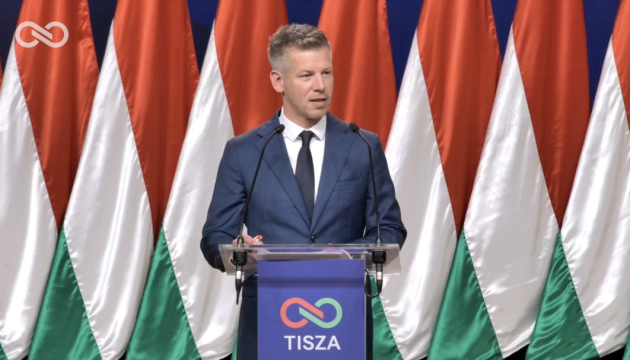
Photo: Ukrinform EN
At a glance
- Hungary announces a ban on imports of agricultural products from Ukraine.
- The ban follows legal uncertainties related to previous import restrictions.
- Minister Szabolcs Bona criticized the former government's handling of agricultural policies.
- Restrictions encompass various meat and grain products.
- The EU's solidarity lanes aim to support Ukrainian exports amid the conflict.
Why it matters
The decision illustrates Hungary's commitment to protecting its domestic agricultural producers amid challenges posed by increased Ukrainian imports. It reflects the ongoing tension in EU responses to the Ukraine conflict and its effects on member states' economies.
https://www.ukrinform.net/rubric-economy/4126388-hungary-bans-imports-of-agricultural-products-from-ukraine-magyar.html
What Happened
Hungarian Prime Minister Peter Magyar declared a comprehensive ban on imports of agricultural products from Ukraine. This decision was communicated on the social media platform X on May 22, 2026. The ban reflects ongoing debates within Hungary's agricultural policy landscape.
Key Details
Magyar indicated that the ban was formulated after the government's intention to withdraw from the International Criminal Court (ICC) was also canceled. This indicates a broader shift in Hungary's geopolitical posture beyond agricultural issues.
The announcement follows recent discussions surrounding Hungary’s agricultural import policies, particularly regarding legal frameworks. Szabolcs Bona, Hungary’s Minister of Agriculture and Food Economy, noted that the previous government had fostered legal ambiguities concerning the importation of agricultural goods from Ukraine.
He criticized planning shortcomings that left import restrictions tied to a previous state of emergency, which has since lapsed. Bona’s ministry is expected to draft new legislation aimed at restoring legal clarity to support Hungarian market protection and domestic producers, a move that further emphasizes the need for structured policy amid geopolitical tensions.
The current import restrictions encompass various categories of agricultural produce, including meat products such as beef, pork, lamb, goat meat, and poultry. Initially, Hungary instituted a ban on Ukrainian agricultural imports in April 2023, in response to increased flows of Ukrainian agricultural products into Hungary.
These efforts came as part of the European Union's 'solidarity lanes' strategy to alleviate the impacts of Russia's blockade on Ukraine's grain exports via the Black Sea. Several EU member states, including Hungary, had previously called on the European Commission for limits on agricultural imports from Ukraine, alleging that their influx resulted in declining prices and negatively affected local farmers.
Why It Matters
The import ban signifies Hungary's ongoing efforts to navigate its agricultural policy amidst external pressures from both the EU and the ongoing conflict in Ukraine. This move can have significant implications for Ukraine's agricultural sector, which has faced numerous challenges due to external trade barriers and market access issues.
Background
Since the escalation of Russia’s war against Ukraine, the EU has attempted to create mechanisms to facilitate the export of Ukrainian goods to global markets. The ‘solidarity lanes’ emerged as a critical component of these efforts.
However, the resulting increased competition for local markets within EU member states has sparked contentious debates regarding the balance between solidarity with Ukraine and national agricultural interests. The back-and-forth between EU member states on agricultural imports further complicates the overall EU unity in addressing the ramifications of the conflict in Ukraine.
Source: Ukrinform EN
This report is maintained as a live newsroom article. Headlines and top paragraphs may be tightened when fresh reporting changes the clearest angle.
Newsletter
Get the next Ukraine update
Track the latest policy, diplomacy, aid, and security changes without losing the thread.
Update format
This template prioritizes developments over recap.
Context stays short and tied to the current turn in the story.
The page is designed for repeat readers checking what changed.