News report
Hungarian Opposition Accuses Orban of Collaborating with Russian GR...
Péter Madyar raises concerns about Russian GRU agents operating in Hungary, warning that their presence poses a significant risk to national security and the integrity of the electoral process.
Share this article
Share to social platforms, or copy the article link and share text manually.
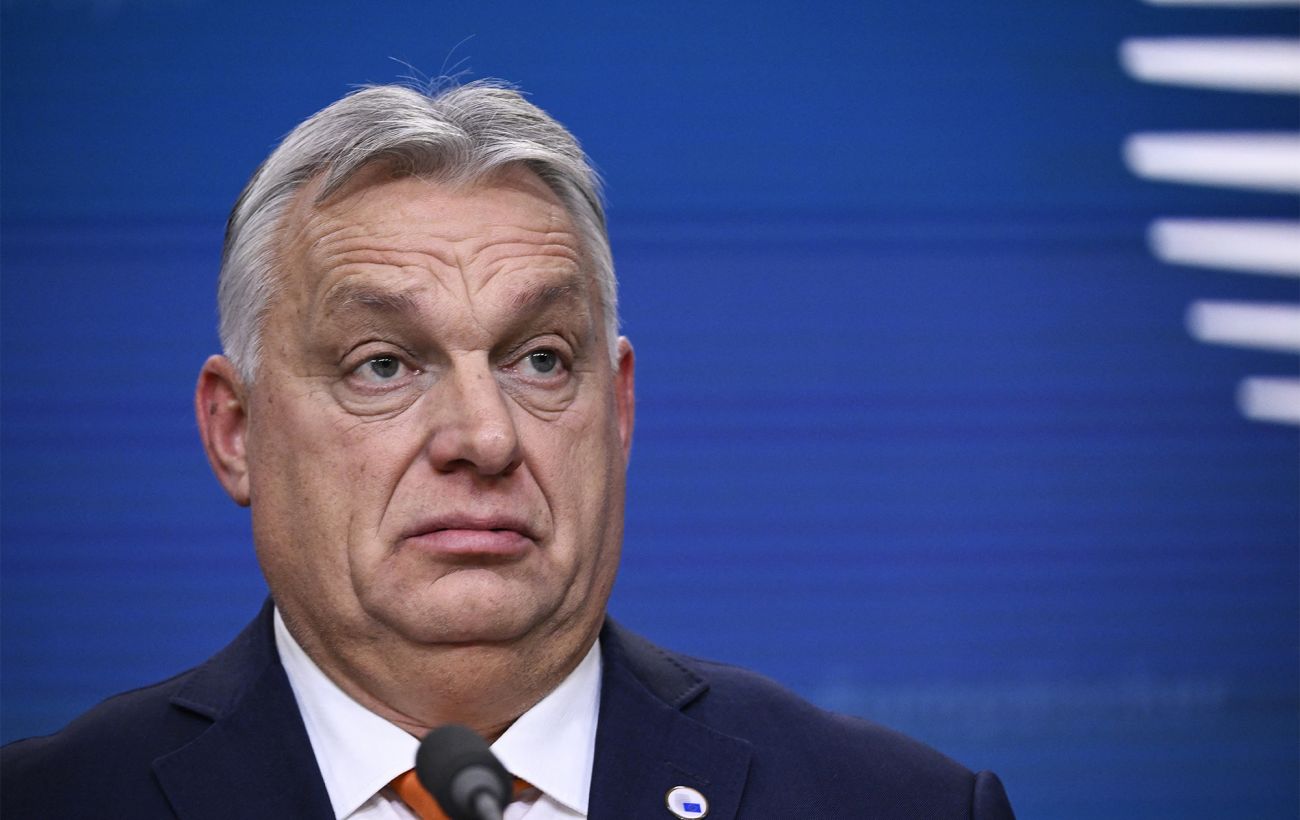
Photo: RBC Ukraine
At a glance
- Péter Madyar alleges that Prime Minister Viktor Orban has allowed Russian GRU operatives to operate inside Hungary.
- The accusations come as Hungary braces for parliamentary elections set for April 12, 2026.
- Madyar has called for the immediate expulsion of these alleged Russian agents.
- The Tisza party leader draws historical parallels to the era of Janos Kadar to emphasize current concerns.
- The specter of Russian influence is a prominent concern throughout Eastern Europe.
Why it matters
The accusations against Prime Minister Orban not only spotlight the critical risk of foreign interference in Hungary’s elections but also underscore the broader implications for democracy in Eastern Europe. As Hungary's upcoming elections are likely to influence its relationships with EU partners and Ukraine, the urgency to protect electoral integrity becomes even more pronounced. Ensuring a fair political process free from external influence is essential for the future of democratic governance in the region.
https://www.rbc.ua/rus/news/madyar-zvinuvativ-orbana-roboti-rosiyskim-1772901742.html
What Happened
In a notable escalation of accusations as Hungary approaches its parliamentary elections on April 12, 2026, Péter Madyar, the leader of the Tisza party, has publicly accused Prime Minister Viktor Orban of facilitating the operations of Russian military intelligence agents within the country. Madyar's claims highlight a looming threat that he believes could undermine both Hungary’s sovereignty and the fairness of its electoral process.
Madyar states that Russian agents, linked to the GRU, are leveraging their diplomatic immunity to engage in activities detrimental to Hungary’s security. He asserts that this presence constitutes a direct challenge to national integrity and calls for their immediate expulsion.
Key Details
The seriousness of these accusations is compounded by a broader context of European concerns over foreign interference in regional elections, particularly concerning Russia's strategic maneuvers. The implications of Madyar’s allegations are profound.
They reflect deep-seated fears about external influence in domestic politics, especially in a country already navigating complex relationships within the European Union and with neighboring Ukraine. The forthcoming elections are poised to reshape Hungary's political landscape significantly, making the integrity of this electoral process paramount.
Why It Matters
The accusations against Prime Minister Orban not only spotlight the critical risk of foreign interference in Hungary’s elections but also underscore the broader implications for democracy in Eastern Europe. As Hungary's upcoming elections are likely to influence its relationships with EU partners and Ukraine, the urgency to protect electoral integrity becomes even more pronounced. Ensuring a fair political process free from external influence is essential for the future of democratic governance in the region.
Background
The urgent call to action in expelling the alleged Russian agents resonates with historical anxieties in Hungary about foreign interference, a sentiment that echoes concerns felt across Eastern Europe. The events also draw parallels to the era of Janos Kadar, reminding citizens of previous instances where foreign influences altered Hungary’s political trajectory.
The allegations made by Madyar serve as a stark reminder of the vulnerabilities faced by nations in this geopolitically charged environment. As electoral processes are fundamental to democratic governance, safeguarding their integrity against foreign meddling is crucial for ensuring that citizens' voices are truly represented and heard in the political arena.
Source: RBC Ukraine
This report is maintained as a live newsroom article. Headlines and top paragraphs may be tightened when fresh reporting changes the clearest angle.
Newsletter
Get the next major Ukraine report
Follow the strongest verified developments with a cleaner newsroom brief and direct follow-up coverage.
Report format
Fast lead first, then fuller context.
Source photo stays distinct from any illustration.
Related coverage stays inside the same reporting thread.