News update
Ukrainian Households Account for 36% of Natural Gas Consumption in...
The 6% increase in household gas usage from 2024, despite an overall decline, highlights important trends for energy policy and stability.
Share this article
Share to social platforms, or copy the article link and share text manually.
Developing story
This page is updated as verified details move. The lead and top sections are tightened first when the clearest confirmed angle changes.
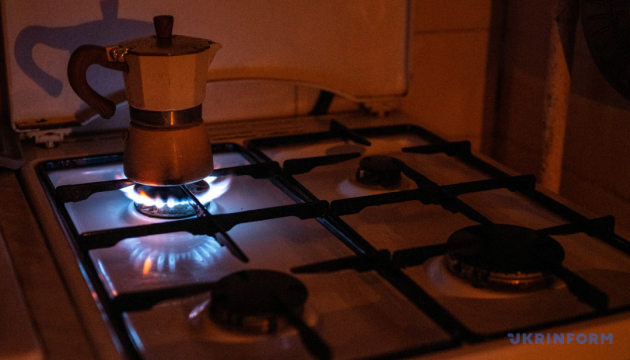
Photo: Ukrinform UA
At a glance
- Households accounted for 36% of Ukraine's total gas consumption in 2025.
- Total natural gas usage reached 21 billion cubic meters.
- Residential heating was responsible for 3.9 billion cubic meters of consumption.
- The gas distribution network faces an estimated 10% efficiency loss.
- Preparatory measures for winter include the storage of at least 13 billion cubic meters of gas.
Why it matters
Understanding gas consumption patterns is essential for developing robust energy policies in Ukraine and securing economic stability. Given that households represent a significant portion of gas usage, addressing their needs effectively is crucial for maintaining energy security, especially as winter's demands approach.
https://www.ukrinform.ua/rubric-economy/4103990-v-ukraini-torik-castka-naselenna-u-spozivanni-gazu-stanovila-36-dixi-group.html
Overview of Gas Consumption in Ukraine

In 2025, Ukrainian households significantly impacted the national energy landscape, consuming 7.6 billion cubic meters of natural gas. This figure represents a substantial 36% of the country’s total natural gas consumption, which amounted to 21 billion cubic meters. The importance of residential usage cannot be overstated, revealing the pivotal role households play in Ukraine's energy consumption.
Sectoral Breakdown of Gas Use
A comprehensive report published by DiXi Group provides valuable insights into how gas consumption is distributed across various sectors. The heat and power sector emerged as a significant consumer, accounting for around 3.9 billion cubic meters, or 18% of total usage, primarily due to residential heating needs.
Additionally, budget institutions contributed approximately 2.5 billion cubic meters, which represents 12% of the overall gas consumption in the country. However, the distribution network faces an estimated 10% loss, raising critical concerns about the efficacy and efficiency of the gas supply system, ultimately impacting energy delivery.
Trends in Consumption
Interestingly, while overall natural gas consumption in Ukraine decreased by 4% compared to the previous year and has dropped by 31% since 2021, residential consumption saw a notable 6% rise relative to 2024. This increase is largely attributed to heightened heating demands as the harsh winter season looms.
Challenges Ahead as Winter Approaches
With winter on the horizon, the patterns of gas consumption pose significant challenges for Ukraine's energy infrastructure. In response to this anticipated demand spike, energy authorities are planning to store at least 13 billion cubic meters of gas in underground facilities. This aggressive preparation is aimed at ensuring supply stability during the winter months when household demand peaks.
Significance for Energy Policy
Grasping the dynamics of gas consumption is crucial for informed policy-making in the energy sector. As households make up a substantial portion of gas usage, effectively meeting their needs becomes essential for maintaining energy security.
This is particularly vital with the impending winter, which brings increased demands on the nation’s gas supply resources. An understanding of these trends will inform strategies to enhance energy efficiency and reliability.
Overall, the interplay of these factors underscores the need for a focused approach to energy management in Ukraine, aiming to mitigate risks associated with supply shortages and ensuring economic stability amidst the changing energy landscape.
Source: Ukrinform UA
This report is maintained as a live newsroom article. Headlines and top paragraphs may be tightened when fresh reporting changes the clearest angle.
Newsletter
Get the next Ukraine update
Track the latest policy, diplomacy, aid, and security changes without losing the thread.
Update format
This template prioritizes developments over recap.
Context stays short and tied to the current turn in the story.
The page is designed for repeat readers checking what changed.