News update
Germany's Security Policy Shift Due to Ukraine War
The war in Ukraine has significantly altered Germany's security policy, according to Bundeswehr Major General Wolf-Jürgen Stahl. He highlighted the introduction of the 'integrated security' concept that engages the entire society in state defense.
Share this article
Share to social platforms, or copy the article link and share text manually.
Developing story
This page is updated as verified details move. The lead and top sections are tightened first when the clearest confirmed angle changes.
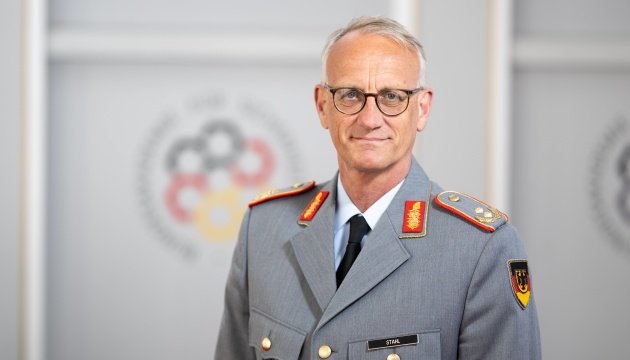
Photo: Ukrinform EN
At a glance
- Germany's security policy has shifted due to Russia's war in Ukraine.
- First-time arms supply to an active war zone marks a strategic shift.
- The National Security Strategy introduces the concept of integrated security.
- Security is now viewed comprehensively, including economic and societal aspects.
- German Chancellor and Defense Minister announced the National Security Council.
Why it matters
Germany's shift towards integrated security reflects a critical evolution in its approach to national defense, enhancing its proactive measures in response to external threats. This change is significant for both German and European security dynamics.
https://www.ukrinform.net/rubric-polytics/4121500-russiaukraine-war-changes-germanys-strategic-culture-bundeswehr-general-says.html
What Happened
Germany's security policy has undergone a substantial transformation as a result of Russia's ongoing aggression towards Ukraine. Major General Wolf-Jürgen Stahl, President of the Federal Academy for Security Policy (BAKS), stated that the war has shifted Germany's security priorities.
Notably, for the first time, Germany decided to supply weapons to an active conflict zone, which signifies a major change in its strategic culture.
Key Details
Stahl explained that in 2023, Germany created its National Security Strategy for the first time in history, incorporating the concept of integrated security. This approach views security as a comprehensive issue, extending beyond military aspects to include economic, social, and even spiritual dimensions.
"Security should be understood comprehensively," Stahl noted, stressing the need for preparation during peacetime to ensure resilience and readiness for crises and potential warfare. Stahl also commended the resilience of the Ukrainian society in defending against Russian aggression, stating that Ukraine is not only protecting itself but also enhancing the security of Europe.
He emphasized that the steadfastness of the Ukrainian people deserves respect, given their continued resistance to aggression that violates international law. Measures must be in place to address potential challenges before they escalate into armed conflicts, he explained.
Why It Matters
This shift in Germany's strategic culture marks a significant alignment with broader European security objectives. By engaging the entire society, Germany is paving the way for a more integrated approach to national defense. This transition is crucial in the context of ongoing threats in Europe and reflects the changing dynamics of international security in response to aggression.
Background
The introduction of integrated security was also influenced by the creation of Germany's National Security Council in summer 2023, as announced by Chancellor Friedrich Merz and Defense Minister Boris Pistorius. This body aims to streamline high-level discussions regarding defense and security issues, reinforcing Germany's commitment to addressing security challenges effectively.
Historically, Germany has maintained a more restrained military posture, but the current conflict has necessitated a reevaluation. As the war in Ukraine continues to impact European stability, Germany's evolving security strategy illustrates the broader implications of regional conflicts on national and international policy.
The changes underscore the interconnected nature of security in Europe and the importance of collective resilience in facing external threats.
Source: Ukrinform EN
This report is maintained as a live newsroom article. Headlines and top paragraphs may be tightened when fresh reporting changes the clearest angle.
Newsletter
Get the next Ukraine update
Track the latest policy, diplomacy, aid, and security changes without losing the thread.
Update format
This template prioritizes developments over recap.
Context stays short and tied to the current turn in the story.
The page is designed for repeat readers checking what changed.