News report
EU's Kaljas: Russia Benefits from Ongoing Middle East Conflict
EU High Representative for Foreign Affairs, Kaja Kaljas, stated that Russia benefits from the ongoing conflicts in the Middle East by supporting Iran. This assertion was made during her address at the UN Security Council meeting on April 13, 2026.
Share this article
Share to social platforms, or copy the article link and share text manually.
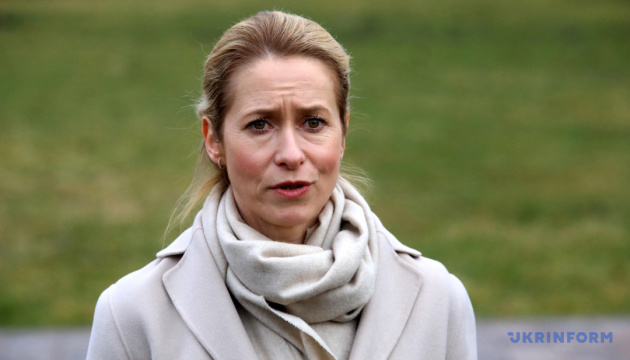
Photo: Ukrinform UA
At a glance
- Kaja Kaljas states Russia's support for Iran aids its geopolitical interests.
- Russia's military aggression against Ukraine is described as a major violation of international law.
- Kaljas highlights the global implications of the Middle Eastern conflicts.
- The EU's support for UN frameworks is deemed more critical than ever.
- Russian involvement has reportedly provided Iran with military intelligence.
Why it matters
Kaljas’ remarks draw attention to the interconnected nature of global conflicts and the risk posed by Russia's military actions. Understanding these relationships is crucial for addressing wider security challenges.
https://www.ukrinform.ua/rubric-world/4112114-rf-zacikavlena-u-trivalij-vijni-na-blizkomu-shodi-kallas.html
What Happened
At a UN Security Council meeting focused on EU-UN collaboration, Kaja Kaljas highlighted the detrimental effects of Russian military aggression in Ukraine. According to Kaljas, this aggression represents one of the gravest violations of international law.
Key Details
Kaljas asserted that Russia's alliance with Iran is mutually beneficial, as prolonged conflict in the Middle East aids Moscow's geopolitical strategy. Russia reportedly provides Iran with intelligence and drones, thereby enhancing Iran's military capabilities.
During her speech, Kaljas remarked that the ongoing crises in Ukraine and the Middle East are clear indicators of a departure from established international norms, including the UN Charter. She emphasized that these situations reflect a significant challenge to global stability.
Kaljas noted that Russia's invasion of Ukraine is one of the most serious breaches of international law in UN history, disregarding its obligations as a permanent member of the Security Council. She explained that the ongoing conflicts are no longer merely regional issues, but have global ramifications, affecting security and geopolitical dynamics worldwide.
Kaljas stressed the urgent importance of EU support for the UN in addressing these crises. The current global landscape is shaped by competition and coercive policies from powerful states maneuvering for influence.
The ambassador emphasized the rising energy prices and the diversion of attention from the war in Ukraine as additional reasons why a prolonged Middle Eastern conflict serves Russia's interests.
Why It Matters
Kaljas' observations underscore the intricate connections between Russia's actions in Ukraine and its involvement in the Middle East. The implications of these relationships affect global security and international law compliance.
Background
Kaja Kaljas has been a vocal critic of Russia's military interventions, emphasizing their long-term effects on international relations. Her comments come amid heightened tensions and instability in both Ukraine and various Middle Eastern nations.
According to Ukrainian President Volodymyr Zelensky, Russia has reportedly gained about $2 billion since the onset of the Middle Eastern conflict. The intertwining of these crises raises significant concerns regarding the future of international diplomacy and security approaches.
Source: Ukrinform UA
This report is maintained as a live newsroom article. Headlines and top paragraphs may be tightened when fresh reporting changes the clearest angle.
Newsletter
Get the next major Ukraine report
Follow the strongest verified developments with a cleaner newsroom brief and direct follow-up coverage.
Report format
Fast lead first, then fuller context.
Source photo stays distinct from any illustration.
Related coverage stays inside the same reporting thread.