Breaking news
EU’s Costa Condemns Russian Attack on Ukraine as Evidence of Hostility
European Council President Antonio Costa condemned a recent Russian missile attack on Ukraine, labeling it a brutal act against civilians. The remarks came after widespread strikes were reported on May 24, 2026.
Share this article
Share to social platforms, or copy the article link and share text manually.
Developing story
This page is updated as verified details move. The lead and top sections are tightened first when the clearest confirmed angle changes.
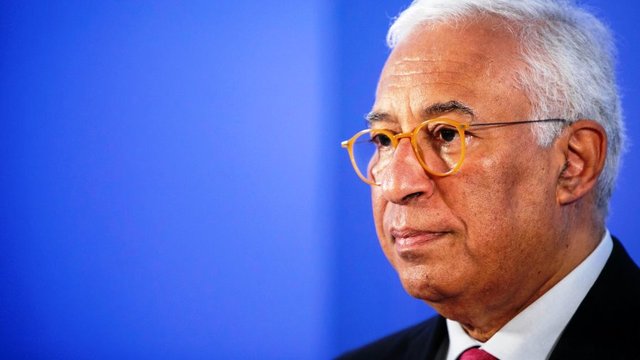
Photo: Ukrainska Pravda UA
At a glance
- Antonio Costa condemned Russia's missile attack on Ukraine.
- The attack involved the use of the Orzhik missile system.
- EU leaders emphasize ongoing support for Ukraine amid hostilities.
- Hungary’s Foreign Minister and Canada's Prime Minister also condemned the attacks.
- The strikes are seen as evidence of Russia's disinterest in peace negotiations.
Why it matters
The EU's condemnation of Russian assaults emphasizes the international community's commitment to Ukrainian sovereignty and continued diplomatic efforts. The incident reflects the ongoing military challenges Ukraine faces and the EU's unwavering support amidst aggressive actions.
https://www.pravda.com.ua/news/2026/05/24/8036210/
What Happened
On May 24, 2026, Russian forces carried out a significant missile attack across various Ukrainian cities. The assault utilized the Orzhik missile system and did considerable damage to civilian infrastructure and populations. European Council President Antonio Costa condemned these actions, calling them a ruthless manifestation of cruelty directed at civilians.
Key Details
Costa stated that this bombardment serves as another stark reminder that Russia is not interested in constructive peace negotiations. He voiced strong condemnation of the irresponsible escalation of violence.
Support for Ukraine from the European Union remains steadfast despite these aggressive actions. The attack prompted reactions from various international figures. Hungary's Foreign Minister Anita Orbán expressed solidarity with the Ukrainian people.
Additionally, Kaia Kalas, the EU's head of foreign diplomacy, condemned the strikes and suggested that discussions regarding increased pressure on Moscow would continue. Canada's Prime Minister Mark Carney also criticized the attack, emphasizing that such actions do not change the outcome of the conflict for Moscow.
Why It Matters
Costa's statements reinforce the continued international condemnation of Russia's military aggression in Ukraine. His remarks highlight a perceived lack of sincerity from Russia in seeking peace, affecting diplomatic relations and efforts towards conflict resolution. The united front from EU leaders points to ongoing support for Ukraine amid these escalations.
Background
Russia's attacks on Ukraine have escalated since the start of the conflict in 2022. The use of advanced missile systems, like the Orzhik, exemplifies the ongoing military capabilities employed against Ukrainian cities.
The European Union has consistently reiterated its support for Ukraine, with leaders across multiple nations providing public statements condemning the violence while proposing further discussions on sanctions and diplomatic measures against Russia. Regular escalation of hostilities prompts responses not only from the EU but also from other international stakeholders committed to Ukraine's sovereignty and territorial integrity.
Source: Ukrainska Pravda UA
This report is maintained as a live newsroom article. Headlines and top paragraphs may be tightened when fresh reporting changes the clearest angle.
Newsletter
Get the next breaking Ukraine update
Receive the fastest lead, key facts, and follow-up links in one concise newsroom note.
Breaking format
The lead carries the core fact first.
Key figures and locations stay near the top.
Related coverage tracks the same reporting line.