News report
EU Condemns Russia's Drone Claims in Latvia as Weakness
The European Union condemned Russia's recent threats concerning alleged Ukrainian drone usage from Latvia. High-ranking officials described these claims as 'nonsense' and indicative of Russia's failing position in the ongoing conflict with Ukraine.
Share this article
Share to social platforms, or copy the article link and share text manually.
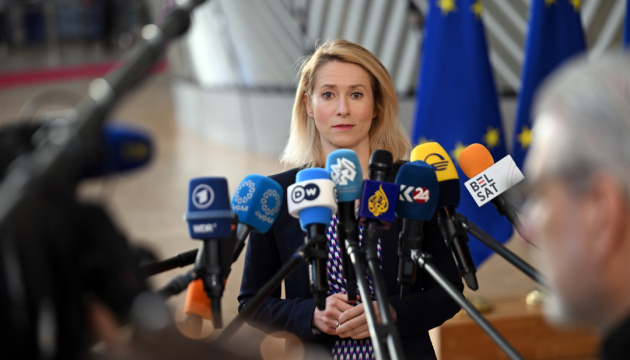
Photo: Ukrinform UA
At a glance
- EU officials condemned Russia's allegations about Ukrainian drones as unfounded.
- Kaja Kallas emphasized these threats are signs of Russia's military weakness.
- António Costa labeled Russia's provocations as part of hybrid warfare tactics.
- Latvia has officially denied using its territory for attacks on Russia.
- The EU has reaffirmed its commitment to support Ukraine amidst such threats.
Why it matters
The incident illustrates Russia's attempts to distort the truth and distract from its military setbacks in Ukraine. EU unity in responding to such provocations is critical for maintaining regional stability and supporting Ukraine's defense efforts.
https://www.ukrinform.ua/rubric-polytics/4125591-u-es-nazvali-ostanni-zaavi-rf-pro-ukrainski-droni-v-latvii-oznakou-slabkosti-j-castinou-gibridnoi-vijni.html
What Happened
On May 19, 2026, Russia's Foreign Intelligence Service accused Latvia of permitting Ukrainian drones to launch strikes from its territory against Russian targets. This statement included threats toward Latvia, asserting that the locations of decision-making centers within the country were known to Moscow.
The claims by Russia have been met with strong denunciation from EU officials, who insist that these threats are unfounded.
Key Details
Kaja Kallas, the EU’s High Representative for Foreign Affairs, referred to the Russian allegations as 'complete nonsense' through social media platform X. She emphasized that Russia's threats are symptomatic of its weakening position as it struggles militarily in Ukraine.
Kallas stated that such actions are intended to intimidate the EU and deter support for Ukraine. In response, she called for increased solidarity and military assistance for Ukraine, noting that strengthening Europe's defense is vital in confronting Russian hostility.
Alongside Kallas, António Costa, President of the European Council, labeled Russia's provocations as unacceptable and indicative of hybrid warfare tactics aimed at undermining Baltic states and the EU as a whole. He reaffirmed the EU's unified stance against such threats and pledged to bolster collective defense efforts.
Costa highlighted the urgency of increasing pressure on Russia to halt its baseless aggression towards Ukraine.
Why It Matters
These allegations from Russia reflect its attempts to manipulate narratives and distract from its failures in Ukraine. The EU's strong rebuttal serves to reinforce the unity and resolve among member states in their support for Ukraine against Russian aggression. Additionally, the situation highlights the ongoing challenges posed by hybrid warfare tactics in Europe.
Background
In the context of the conflict in Ukraine, the Baltic states, including Latvia, have been vocal supporters of Kyiv, providing military assistance and backing sanctions against Russia. Moscow has often targeted these nations with threats and disinformation as part of a broader strategy to destabilize the region.
This incident underscores the ongoing tensions and the need for vigilance against hybrid warfare tactics employed by Russia. The Latvian government has taken steps to address these disinformation claims by summoning the Russian chargé d'affaires to clarify its position.
Latvia, along with support from its EU partners, is dedicated to counteracting misinformation that may lead to instability or misunderstanding regarding its actions in the region.
Source: Ukrinform UA
This report is maintained as a live newsroom article. Headlines and top paragraphs may be tightened when fresh reporting changes the clearest angle.
Newsletter
Get the next major Ukraine report
Follow the strongest verified developments with a cleaner newsroom brief and direct follow-up coverage.
Report format
Fast lead first, then fuller context.
Source photo stays distinct from any illustration.
Related coverage stays inside the same reporting thread.