Breaking news
Estonia Criticizes Russia's Ceasefire Proposal Amid Missile Strikes
Estonian Foreign Minister Margus Tsahkna condemned Russia's recent missile strikes on Ukraine while urging the Kremlin to demonstrate its commitment to a ceasefire. This statement comes in light of threats from Russia regarding potential attacks on Kyiv.
Share this article
Share to social platforms, or copy the article link and share text manually.
Developing story
This page is updated as verified details move. The lead and top sections are tightened first when the clearest confirmed angle changes.
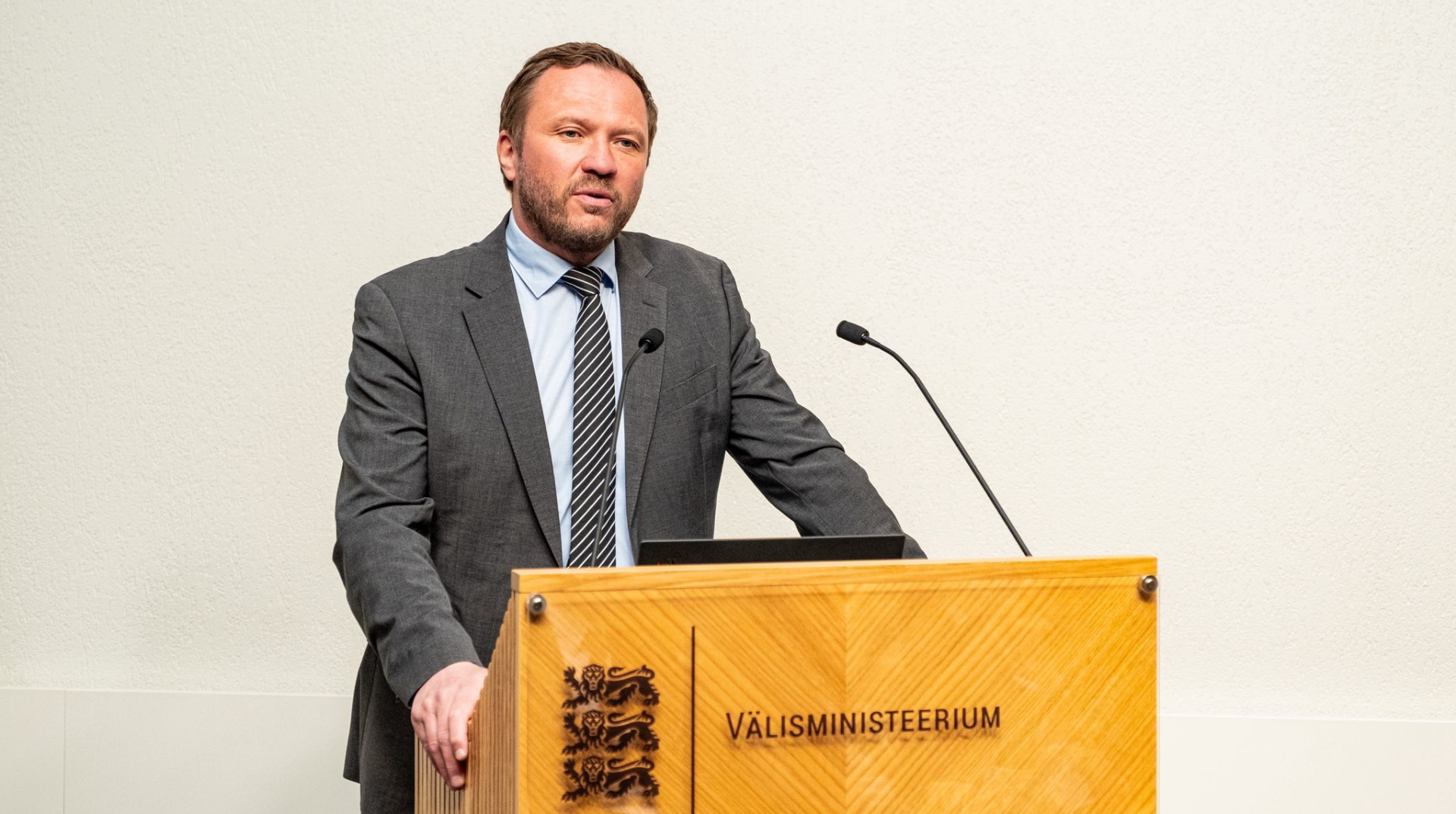
Photo: Ukrainska Pravda EN
At a glance
- Estonian Foreign Minister Tsahkna criticized Russia's ceasefire proposal.
- Russia launched 11 ballistic missiles and 164 drones on May 4-5.
- At least five people were killed and many injured in the attacks.
- Victory Day celebrations in Russia are at the center of the ceasefire discussions.
- Slovak Prime Minister Fico's visit to Moscow raises diplomatic concerns.
Why it matters
This situation highlights the challenges of achieving a genuine ceasefire amidst ongoing military actions. It emphasizes the broader implications for regional security and diplomatic relations in Eastern Europe.
https://www.pravda.com.ua/eng/news/2026/05/05/8033222/
What Happened
On May 4, the Russian Defence Ministry declared a unilateral ceasefire scheduled for May 8-9. This announcement coincides with threats from the Kremlin to launch a large missile strike on central Kyiv if Russia's Victory Day celebrations are interrupted.
Estonian Foreign Minister Margus Tsahkna criticized this decision, highlighting the contradictions between Russia's threats and its calls for a ceasefire. Following the ceasefire announcement, Russia carried out significant military actions.
Overnight from May 4 to May 5, it launched 11 ballistic missiles and 164 drones, targeting various regions in Ukraine. These attacks resulted in at least five fatalities and numerous injuries, with energy infrastructure among the primary targets.
Tsahkna expressed serious concerns about these aggressive actions, stating that while Russia calls for a pause in fighting for a parade, it simultaneously escalates attacks on Ukraine.
Key Details
Tsahkna's criticism was voiced through social media channels, where he stressed the importance of distinguishing between genuine peace initiatives and mere symbolic gestures. He stated, "Russia asks for a pause in fighting for a 'parade', while launching missiles and drones at Ukraine just days before." He further called on Russia to engage in meaningful discussions regarding a real ceasefire, emphasizing that the moment for Russia to demonstrate its sincerity towards peace has arrived.
The context surrounding this conflict includes Slovakia's Prime Minister Robert Fico's upcoming visit to Moscow, which has stirred controversy due to previous resistance from Baltic states regarding his flight path. Fico is expected to meet with President Vladimir Putin but has opted not to attend the Victory Day military parade, which is also a critique of Russia's militaristic posturing.
Why It Matters
The tensions exemplified by this situation reflect ongoing hostilities between Ukraine and Russia, impacting regional security and diplomatic relations. International scrutiny on Russian military strategies influences the discourse surrounding potential peaceful resolutions.
The severity of recent attacks on Ukraine reiterates the fragility of the ceasefire proposals made by Russia, creating skepticism about their true intentions.
Background
Victory Day, commemorating the Soviet Union's triumph over Nazi Germany in World War II, is marked annually on May 9 in Russia, and it holds significant symbolic value in the national narrative. The declaration of a ceasefire during this time can often be seen as a public relations move more than a commitment to peace.
The recent military actions by Russia underscore the ongoing volatility of the situation in Ukraine, raising alarm among European nations and impacting their diplomatic engagements with Russia. Criticism from Estonian officials reflects broader concerns from Baltic states regarding security in the region and the implications of Russian military maneuvers on national sovereignty.
Estonia's proactive stance on the matter highlights the intersections of security, diplomacy, and the realities of the Russo-Ukrainian war.
Source: Ukrainska Pravda EN
This report is maintained as a live newsroom article. Headlines and top paragraphs may be tightened when fresh reporting changes the clearest angle.
Newsletter
Get the next breaking Ukraine update
Receive the fastest lead, key facts, and follow-up links in one concise newsroom note.
Breaking format
The lead carries the core fact first.
Key figures and locations stay near the top.
Related coverage tracks the same reporting line.