News report
Egypt Halts Acceptance of Russian Grain from Occupied Ukraine
Egypt has decided to stop accepting grain exported by Russia from Ukrainian territories under occupation. President Zelensky announced this decision after speaking with Egyptian President Abdel Fattah Elsisi.
Share this article
Share to social platforms, or copy the article link and share text manually.
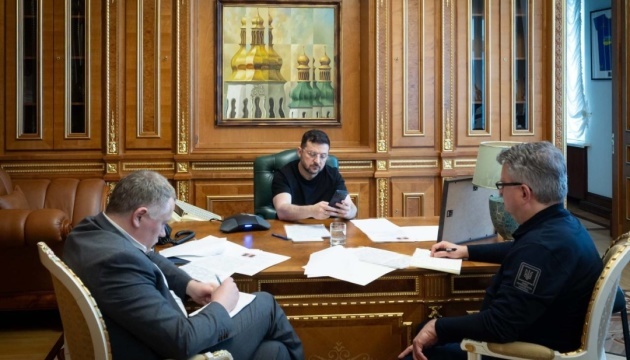
Photo: Ukrinform EN
At a glance
- Egypt will cease accepting Russian grain exported from occupied Ukraine.
- President Zelensky confirmed this decision after talks with President Elsisi.
- Egypt is interested in increasing imports of grain directly from Ukraine.
- The leaders discussed regional stability and cooperation in various sectors.
- Last year, Russia exported over 2 million tons of grain from occupied Ukraine.
Why it matters
Egypt halting the acceptance of Russian grain signals a growing international alignment against Russia's actions in occupied territories. This decision may influence other nations' policies regarding agricultural imports linked to the conflict.
https://www.ukrinform.net/rubric-polytics/4108912-egypt-no-longer-to-accept-grain-exported-by-russia-from-occupied-territories-zelensky.html
What Happened
On April 3, 2026, President Volodymyr Zelensky revealed that Egypt will no longer accept grain exported by Russia from regions of Ukraine that are currently under occupation. This announcement came following a conversation Zelensky had with Egyptian President Abdel Fattah Elsisi.
Zelensky shared this news on Telegram, stating that Elsisi expressed Egypt's interest in increasing imports of grain from Ukraine instead. The dialogue between the two leaders emphasized the importance of Ukraine's agricultural exports to Egypt, a country that relies heavily on grain imports.
Key Details
During the discussion, Zelensky also touched upon the broader implications of the conflict, including its effects on the global oil market and the situation in the Middle East. Furthermore, he indicated that Egypt is willing to engage in efforts to facilitate a just peace in the region.
"I am grateful for this decision," Zelensky quoted himself, acknowledging the significance of Egypt's stance against accepting grain from occupied areas. The two leaders agreed on the importance of maintaining communication between their foreign ministers.
The conversation positioned Ukraine as a key player in regional stability and highlighted its military and technical cooperation capabilities with Egypt. Zelensky noted that Ukraine is prepared to enhance bilateral relations in various sectors beyond just agriculture.
Why It Matters
This decision represents a potential blow to Russian agricultural exports, which have reportedly gained leverage from Ukraine’s challenges. Egypt's choice echoes the broader international condemnation of Russia's actions in Ukraine and the emphasis on supporting Ukrainian sovereignty. The shift may also encourage other nations to reconsider their engagement with Russian exports from occupied territories.
Background
In reference to the ongoing conflict, it has been reported that last year, Russia exported over 2 million tons of grain valued at approximately $400 million from occupied regions of Ukraine. This illustrates the economic stakes involved in the agricultural sector as it pertains to the war's consequences on grain supply chains, particularly for countries like Egypt.
As the situation evolves, Ukraine's agricultural output could play a critical role in stabilizing food supplies not only for Egypt but for other nations dependent on its grain. The potential increase in Ukrainian grain imports by Egypt might help in mitigating food insecurities exacerbated by the ongoing conflict.
Source: Ukrinform EN
This report is maintained as a live newsroom article. Headlines and top paragraphs may be tightened when fresh reporting changes the clearest angle.
Newsletter
Get the next major Ukraine report
Follow the strongest verified developments with a cleaner newsroom brief and direct follow-up coverage.
Report format
Fast lead first, then fuller context.
Source photo stays distinct from any illustration.
Related coverage stays inside the same reporting thread.