News report
Ukrainian Army Commander Affirms Tanks' Importance Despite Drone Advancements
Ground Forces Commander Hennadii Shapovalov said drone warfare is reshaping the battlefield, but argued that tanks remain indispensable for direct fire support, protection, and combined-arms operations.
Share this article
Share to social platforms, or copy the article link and share text manually.
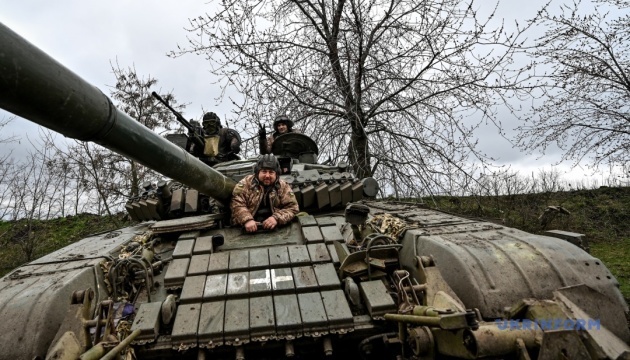
Photo: Ukrinform EN
At a glance
- Drones have transformed battlefield dynamics but tanks remain vital.
- Shapovalov emphasizes the continued operational relevance of tanks.
- Tank deployment strategies have evolved alongside technological advancements.
- Ukrainian units still effectively utilize tanks for direct-fire support.
- Shapovalov's analysis reflects adaptive military strategies in Ukraine.
Why it matters
The point matters because it shows Ukraine?s military is adapting to drone-heavy warfare without abandoning the armored systems still needed for protection, maneuver, and sustained ground combat.
https://www.ukrinform.net/rubric-ato/4101607-ukraines-army-commander-drones-have-changed-warfare-but-tanks-are-still-vital-on-battlefield.html
Commander Says Tanks Still Matter
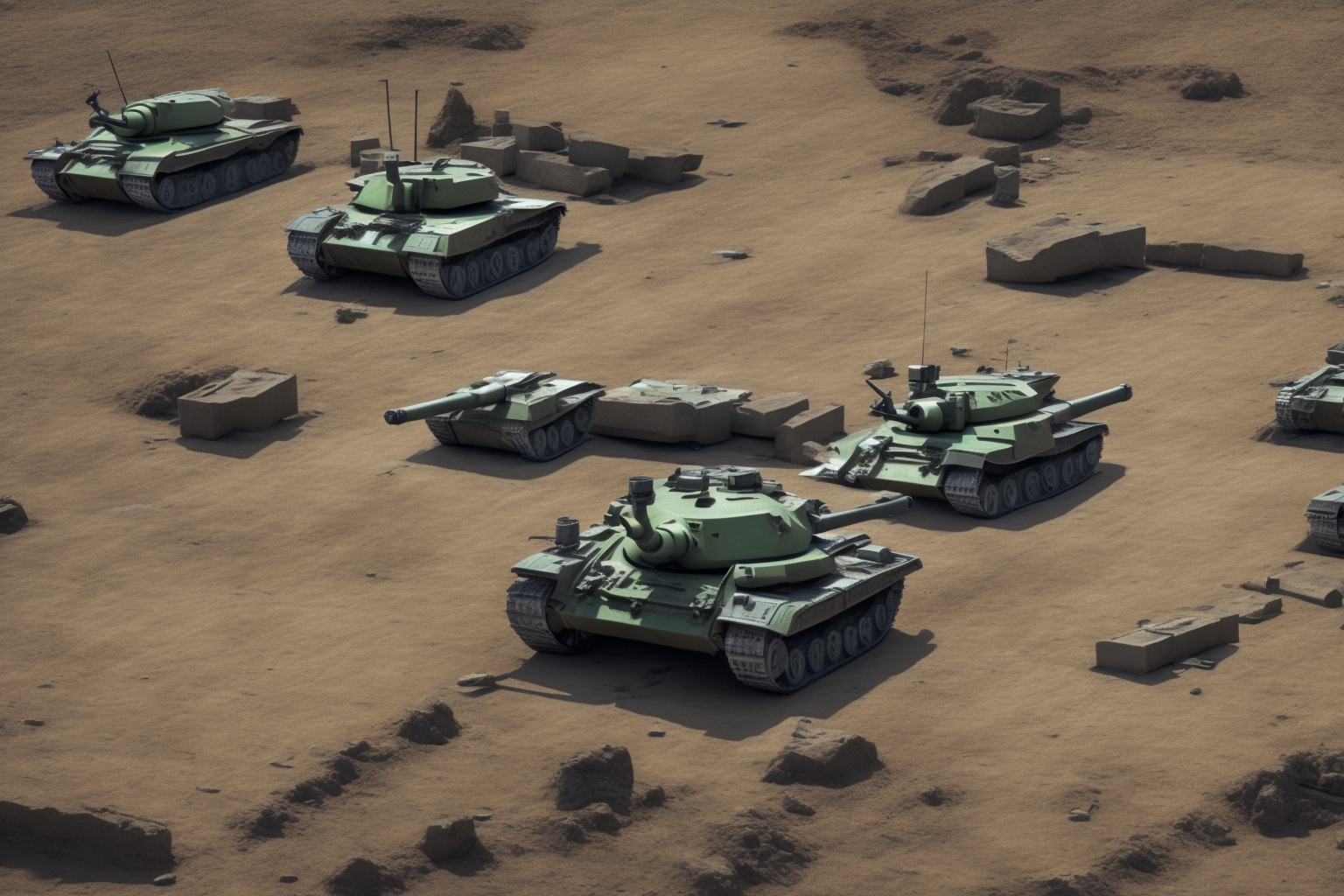
Ukrainian Ground Forces Commander Hennadii Shapovalov said drone warfare has changed how battles are fought, but argued that tanks remain essential on the modern battlefield. In his view, the rapid expansion of drone use has altered tactics and deployment patterns, yet has not removed the need for armored vehicles that can provide direct fire, protection, and battlefield endurance.
The statement is notable because it comes at a time when drones dominate much of the discussion about military innovation in Ukraine. Shapovalov's argument does not dismiss that shift; instead, it places tanks and drones inside the same operational picture rather than presenting them as substitutes for one another.
How Tanks Fit Into Current Combat
According to the report, Shapovalov said tanks are still being used actively in combat and continue to perform direct-fire roles that remain important for supporting infantry. That kind of support matters in situations where units need protected firepower, rapid response against fortified positions, or assistance in maintaining ground control under pressure.
He also suggested that Ukraine has already adjusted how tanks are used in response to battlefield changes. That is consistent with a broader wartime pattern in which traditional systems are not abandoned, but employed differently because constant drone surveillance and attack have made older operating methods more dangerous.
Drones Change Tactics, Not Every Requirement
The core of Shapovalov's argument is that drones are transforming warfare without making armored systems irrelevant. Drones can improve reconnaissance, targeting, and strike reach, but they do not fully replace platforms designed to absorb fire, move under armor, and support infantry at close or medium range.
This distinction matters because military debates often overcorrect when new technology becomes dominant. The Ukrainian experience suggests a more complex reality: drones are becoming indispensable, but so are the heavy systems that still perform functions drones cannot fully take over.
Why the Assessment Matters
For readers, Shapovalov's remarks provide a useful window into how Ukrainian commanders are thinking about force structure under wartime conditions. The question is not whether to choose drones or tanks, but how to integrate both in a way that reflects real combat needs.
That makes his assessment important beyond one interview. It suggests that Ukraine sees modern warfare as a layered environment in which old and new systems must be combined, not treated as if one technological shift has erased the need for every earlier form of battlefield power.
Source: Ukrinform EN
This report is maintained as a live newsroom article. Headlines and top paragraphs may be tightened when fresh reporting changes the clearest angle.
Newsletter
Get the next major Ukraine report
Follow the strongest verified developments with a cleaner newsroom brief and direct follow-up coverage.
Report format
Fast lead first, then fuller context.
Source photo stays distinct from any illustration.
Related coverage stays inside the same reporting thread.