News report
Council of Europe Approves Special Tribunal for Ukraine
On May 15, 2026, the Committee of Ministers of the Council of Europe approved an expanded partial agreement to establish a Special Tribunal for aggression against Ukraine. The decision was endorsed by 37 countries during a session in Chișinău.
Share this article
Share to social platforms, or copy the article link and share text manually.
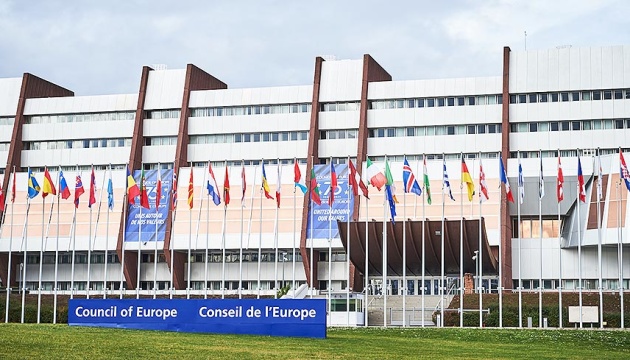
Photo: Ukrinform UA
At a glance
- Council of Europe approved a Special Tribunal for Ukraine's aggression.
- Decision supported by 37 member countries during a session in Chișinău.
- Tribunal focuses specifically on prosecuting aggression acts.
- The initiative represents a united international response to the conflict.
- It is the third foundational document for the tribunal's structure.
Why it matters
The tribunal underscores the global commitment to accountability for acts of aggression. Its establishment could influence future international legal frameworks and foster better cooperation among nations against such crimes.
https://www.ukrinform.ua/rubric-polytics/4123573-komitet-ministriv-radi-evropi-zatverdiv-ugodu-pro-zapusk-spectribunalu-sodo-agresii-proti-ukraini.html
What Happened
The Committee of Ministers of the Council of Europe held a session on May 15, 2026, in Chișinău, where they confirmed the establishment of a Special Tribunal to address the crime of aggression against Ukraine. This agreement, referred to as an expanded partial agreement, received support from 37 member countries.
The approval signifies a significant step forward in international efforts to hold accountable those responsible for acts of aggression in the ongoing conflict involving Ukraine and Russia. The Ukrainian Ministry of Foreign Affairs announced the decision, highlighting the importance of this tribunal in providing justice.
Key Details
The tribunal is designed to focus specifically on prosecuting acts of aggression committed against Ukraine, a critical issue given the escalation of hostilities. The meeting was attended by representatives from 37 nations, emphasizing the collective commitment to confronting the challenges posed by the ongoing conflict.
The Special Tribunal is the third foundational document established to guide its formation. Following this vote, member countries are expected to outline their roles within the tribunal’s structure, further solidifying international legal frameworks to pursue justice for Ukraine.
This initiative is viewed as a crucial countermeasure against the crimes of aggression that have occurred in recent years, which have had devastating effects on Ukraine's sovereignty and territorial integrity.
Why It Matters
The establishment of the Special Tribunal marks a critical moment in reinforcing the rule of law on an international stage. It aims to address accountability for acts of aggression, an essential step in the broader quest for justice in Ukraine. The tribunal is anticipated to serve as a precedent for future international legal actions against aggression.
Background
International concern regarding aggression towards Ukraine intensified following Russia's annexation of Crimea in 2014 and subsequent military actions in Eastern Ukraine. Various global bodies, including the United Nations, have recognized the necessity to address these violations robustly.
The Council of Europe’s recent decision aligns with ongoing international discourse aiming to establish mechanisms for accountability. The engagement of 37 countries signals a united front in addressing the implications of the war and fostering a global environment committed to justice.
The tribunal's framework will potentially stimulate further international support and collaboration to aid Ukraine in its recovery and restoration of sovereignty.
Source: Ukrinform UA
This report is maintained as a live newsroom article. Headlines and top paragraphs may be tightened when fresh reporting changes the clearest angle.
Newsletter
Get the next major Ukraine report
Follow the strongest verified developments with a cleaner newsroom brief and direct follow-up coverage.
Report format
Fast lead first, then fuller context.
Source photo stays distinct from any illustration.
Related coverage stays inside the same reporting thread.