News report
China Criticizes Japan's NATO Military Support for Ukraine
China voiced concerns on January 6, 2026, regarding Japan's decision to send Self-Defense Forces to NATO's Security Assistance and Training for Ukraine. This was reported by the Chinese Foreign Ministry spokesperson at a briefing.
Share this article
Share to social platforms, or copy the article link and share text manually.
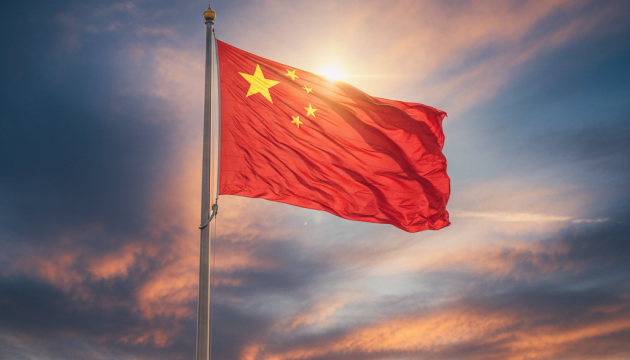
Photo: Ukrinform EN
At a glance
- China criticized Japan's deployment of Self-Defense Forces to NATO's mission in Ukraine.
- The criticism stems from fears of Japan's remilitarization and implications for regional stability.
- Japan dispatched four officers to Germany to observe NATO programs supporting Ukraine.
- Japanese officials defend the action as a necessary response to China's military growth.
- This situation underscores shifting dynamics in East Asian military partnerships.
Why it matters
Japan's participation in NATO's military support raises questions about its pacifist policies, while China's response reflects concerns over regional militarization. This situation could influence future military alignments in Asia.
https://www.ukrinform.net/rubric-polytics/4129297-china-slams-japans-decision-to-send-military-personnel-to-natos-ukraine-support-mission.html
What Happened
On January 6, 2026, the Chinese Foreign Ministry condemned Japan's move to send members of its Self-Defense Forces to participate in NATO's initiatives supporting Ukraine. This action comes amid rising tensions in the region and increased military collaborations.
Key Details
Chinese Foreign Ministry spokesperson Lin Jian expressed concerns during a briefing regarding Japan's militarization efforts. The spokesperson specifically criticized Japan's decision to dispatch four officers to a military base in Germany, aimed at observing NATO-led support programs for Ukraine.
Lin asserted that Japan's initiatives reflect a trend of remilitarization, suggesting that this could escalate into actual combat involvement by Japanese forces, which would contradict Japan's longstanding pacifist stance. He emphasized the need for international vigilance against what he termed 'new Japanese militarism.' In response to these allegations, Japanese Defense Minister Shinjiro Koizumi defended Japan's actions, arguing that they are necessary due to China's expanding military capabilities.
Koizumi firmly rejected the notion that Japan is engaging in militarism.
Why It Matters
The interaction between Japan and NATO in the context of support for Ukraine indicates a shifting political landscape in East Asia. Japan's increasing military cooperation with NATO could lead to heightened geopolitical tensions in the region, particularly with neighboring countries closely monitoring these developments.
Background
Historically, Japan has maintained a pacifist constitution since World War II, limiting its military engagements. However, recent global security challenges have led Japan to reassess its defense policies and increase its contributions to international security operations.
Beijing's response reflects broader concerns of regional instability and challenges to its influence as Japan expands its military partnerships. As nations navigate these complex dynamics, the response from Tokyo and Beijing may have significant ramifications for East Asian geopolitical stability.
Source: Ukrinform EN
This report is maintained as a live newsroom article. Headlines and top paragraphs may be tightened when fresh reporting changes the clearest angle.
Newsletter
Get the next major Ukraine report
Follow the strongest verified developments with a cleaner newsroom brief and direct follow-up coverage.
Report format
Fast lead first, then fuller context.
Source photo stays distinct from any illustration.
Related coverage stays inside the same reporting thread.