News report
Austrian Analyst Questions Russia's Commitment to Peace Negotiations
Gustav Gressel expresses skepticism about Russia's intentions in peace negotiations, specifically criticizing the choice of negotiator Vladimir Medinsky and emphasizing the need for substantial military changes for productive dialogue.
Share this article
Share to social platforms, or copy the article link and share text manually.
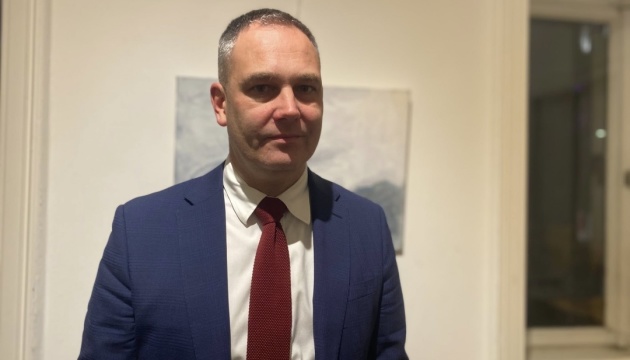
Photo: Ukrinform UA
At a glance
- Gustav Gressel questions the seriousness of peace talks due to Medinsky's appointment.
- Putin's belief in achieving military victory could undermine genuine peace negotiations.
- Significant shifts in the war's dynamics are not expected this year.
- Ukraine is on track to enhance its military capabilities significantly.
- Russia's declining economic stability raises questions about its long-term sustainability.
Why it matters
Gressel's insights underscore growing doubts among experts regarding Russia's true intentions in ongoing negotiations. Such perspectives are essential for understanding the viability of diplomatic efforts and for anticipating the potential reactions of international stakeholders in the geopolitical landscape.
https://www.ukrinform.ua/rubric-polytics/4099132-avstrijskij-ekspert-akso-rosia-vidpravlae-na-peregovori-medinskogo-vid-nih-nicogo-ocikuvati.html
Growing Skepticism
In recent commentary, Austrian military analyst Gustav Gressel has voiced significant skepticism regarding Russia's sincerity in its peace negotiations with Ukraine. Gressel highlights the appointment of Vladimir Medinsky—the current negotiator—as a clear indication that Russia may not be approaching these discussions with genuine intent.
He argues that if Russia were earnest in seeking a resolution, it would select a more credible representative to facilitate meaningful dialogue.
The Role of Military Beliefs
The backdrop to these negotiations is complicated by President Vladimir Putin’s enduring belief that a military victory over Ukraine remains attainable. This mindset not only complicates potential dialogues but also raises questions about the feasibility of any future agreements.
As Gressel aptly puts it, the selection of Medinsky signals to the international community that little can be expected from these negotiations as long as the current framework persists.
Conflict Dynamics and Future Prospects
Gressel elaborates on the current dynamics of the conflict, suggesting that significant breakthroughs in negotiations remain improbable unless Russia sends a more serious envoy to the table. He remains pessimistic about potential shifts in the conflict's course this year, especially taking into account the inconsistent strategies from the United States and Russia’s apparent disinterest in constructive engagement.
Meanwhile, Ukraine and its European partners are focused on bolstering their military capabilities.
Ukraine's Military Enhancements
In response to the ongoing conflict, Ukraine is significantly ramping up its military production. Plans are already in place to increase drone output, aiming to elevate production from 12,000 units in 2025 to an ambitious 50,000 by 2026.
This surge in military capabilities could drastically alter the balance of power in the ongoing conflict. Gressel also notes the gradual decline in the economic stability of Russia, notwithstanding the Kremlin's retained financial reserves, which raises further concerns regarding its long-term sustainability.
Conclusion and Implications
Gressel’s analysis presents a sobering outlook on the state of negotiations in the Ukraine-Russia conflict. It points to the reality that significant diplomatic prospects are unlikely to materialize without dramatic alterations in the military landscape.
Continuous observation of Russia's military strategies, along with assessments of its economic health, will be crucial as the situation develops in the upcoming months. Understanding Gressel's insights and the broader implications of Russia’s choices is vital for stakeholders anticipating shifts in diplomatic dynamics and international relations surrounding the ongoing conflict.
As skepticism rises, the discourse surrounding genuine negotiations remains under further scrutiny.
Source: Ukrinform UA
This report is maintained as a live newsroom article. Headlines and top paragraphs may be tightened when fresh reporting changes the clearest angle.
Newsletter
Get the next major Ukraine report
Follow the strongest verified developments with a cleaner newsroom brief and direct follow-up coverage.
Report format
Fast lead first, then fuller context.
Source photo stays distinct from any illustration.
Related coverage stays inside the same reporting thread.