News report
234 Combat Clashes Recorded in Ukraine Over 24 Hours
Ukrainian forces engaged in 234 combat clashes with Russian invaders in the past 24 hours. Most conflicts were reported in the Pokrovsk and Huliaipole sectors, according to a military update.
Share this article
Share to social platforms, or copy the article link and share text manually.
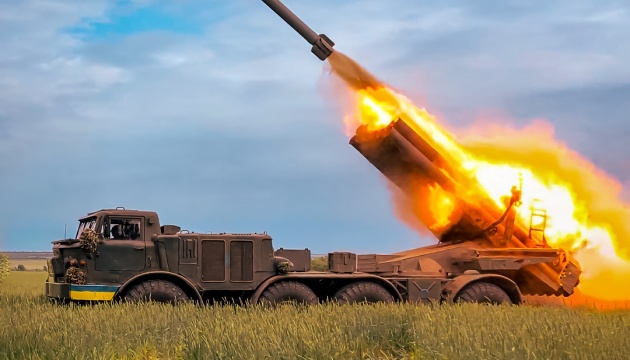
Photo: Ukrinform EN
At a glance
- Ukrainian forces engaged in 234 clashes with Russian troops in 24 hours.
- Russian forces conducted 95 airstrikes and launched 3,305 attacks.
- Major fighting reported in Pokrovsk and Huliaipole regions.
- Ukrainian forces successfully repelled multiple assaults in various sectors.
- The conflict continues to evolve with increased use of drones and air bombardments.
Why it matters
The reported clashes signify the ongoing intensity of the conflict, with significant implications for regional stability. The high frequency of airstrikes and drone use highlights evolving tactics in the ongoing military engagement.
https://www.ukrinform.net/rubric-ato/4124219-war-update-234-clashes-on-front-lines-over-past-day-heavy-fighting-near-pokrovsk-huliaipole.html
What Happened
In the latest operational report from the General Staff of the Ukrainian Armed Forces, 234 separate combat clashes were documented between Ukrainian and Russian military forces over the past day. Most of these encounters took place in the Pokrovsk and Huliaipole areas.
Key Details
The report indicates that Russian forces executed 95 airstrikes, deploying approximately 300 guided aerial bombs throughout the day. Additionally, they utilized 9,645 kamikaze drones and initiated 3,305 attacks on Ukrainian positions and settlements, including 74 instances of multi-launch rocket system (MLRS) fire.
Significant aerial bombardments were reported in areas such as Velyka Sloboda and Bachivsk, located in the Sumy region. Ukrainian forces responded with strikes targeting multiple military objectives.
These included two command posts, five concentrations of troops, seven artillery systems, three drone control points, and one other strategic site. Combat encounters also occurred along the Northern Slobozhanshchyna and Kursk fronts, where 17 clashes were reported.
Here, Russian forces executed five airstrikes, made use of 11 guided bombs, and carried out 105 shelling attacks, including 15 MLRS assaults. In terms of specific locations, Ukrainian defenders repelled multiple attacks from Russian troops.
On the Kupiansk axis, three assaults were halted near Novooosynove, Kurylivka, and Podoly. Similarly, on the Lyman axis, nine advancement attempts by Russian forces were successfully stopped in areas such as Stepove, Novyi Myr, and Lyman.
The Kostiantynivka axis faced 12 attacks, while in the Pokrovsk region, Ukrainian forces thwarted 32 assaults across various locations including Vilne and Hryshyne. On the Huliaipole front, 24 attacks were repelled, with notable strikes near Dobropillia and Krynychne.
Ukrainian defenders also successfully repulsed two attacks on the Dnipro River axis toward Antonivka.
Why It Matters
These ongoing confrontations reflect the intense and persistent conflict on the front lines in Ukraine. The high number of clashes and airstrikes indicates a continued commitment from Russian forces to challenge Ukrainian defenses in strategically important areas.
Background
The situation along the front lines has seen fluctuating patterns of engagement as both Ukrainian and Russian forces operate within contested territories. Observers have noted the rising use of drones and aerial bombardments, which have introduced new complexities to ground maneuvers and engagements.
Continuous military operations and frequent updates from the General Staff reflect the ongoing dynamic nature of warfare in Ukraine.
Source: Ukrinform EN
This report is maintained as a live newsroom article. Headlines and top paragraphs may be tightened when fresh reporting changes the clearest angle.
Newsletter
Get the next major Ukraine report
Follow the strongest verified developments with a cleaner newsroom brief and direct follow-up coverage.
Report format
Fast lead first, then fuller context.
Source photo stays distinct from any illustration.
Related coverage stays inside the same reporting thread.