News report
Ukrainian Defense Forces Report 130 Clashes with Russian Troops
The fighting on March 9 reflects a significant increase in military engagements. Key areas saw intense conflict as both sides continue to vie for control.
Share this article
Share to social platforms, or copy the article link and share text manually.
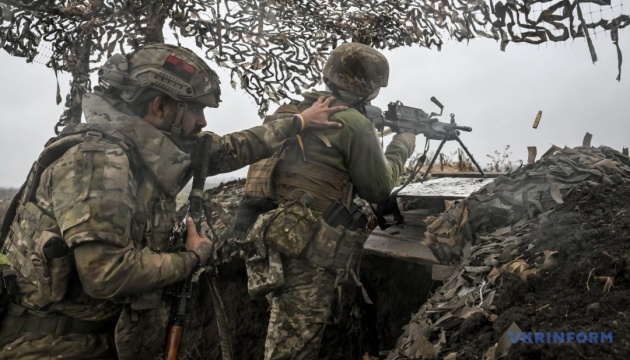
Photo: Ukrinform UA
At a glance
- 130 clashes reported on the frontline on March 9.
- Major fighting concentrated in Pokrovsk and Huliaipole regions.
- Ukrainian forces responded effectively to numerous Russian attacks.
- Significant aerial and artillery assaults by Russian forces noted.
- Continued attempts by Russian troops to breach Ukrainian defenses.
Why it matters
The reported 130 clashes signify a critical escalation in the ongoing conflict between Ukraine and Russia. Such intense military activity underscores the challenges faced by Ukrainian forces and the strategic importance of the regions involved.
https://www.ukrinform.ua/rubric-ato/4099833-za-dobu-na-fronti-130-zitknen-najbilse-na-pokrovskomu-ta-gulajpilskomu-napramkah.html
What Happened
On March 10, the General Staff of the Armed Forces of Ukraine disclosed that March 9 witnessed a notable rise in military engagements, totaling 130 combat incidents. The heaviest fighting was reported in the Pokrovsk and Huliaipole regions, underscoring the strategic importance of these areas.
Russian troops conducted two missile strikes, launching three missiles, and carried out 90 aerial assaults, deploying 251 guided bombs. Ukrainian locations, including Pokrovsk, Kolomiytsi, and Chornenkove, were among the targets, indicating the sustained intensity of conflict in these crucial zones.
Key Details
In response, Ukrainian forces effectively targeted three areas where Russian troops and equipment were concentrated. They struck four drone control points, four artillery systems, one ammunition depot, and two other essential facilities utilized by Russian forces.
These actions reflect the resilience of Ukrainian defensive operations, showcasing their capacity to mount effective counterattacks amid escalating aggression from the enemy. Additional clashes have been reported across various fronts.
Background
In related developments, Russian forces carried out 115 shellings in the Northern Slobozhansky and Kursk directions. In the Southern Slobozhansky direction, they made multiple attempts to breach Ukrainian defenses near Popivka and Lyman, demonstrating ongoing efforts to gain strategic advantages.
Ukrainian defenders in Sloviansk successfully repelled 11 attempts by Russian units to advance into the region. The Kramatorsk and Konstantynivka areas also experienced a series of assaults, highlighting the widespread offensive maneuvers by Russian troops.
Ukrainian forces managed to thwart 29 attacks in the Pokrovsk area, showcasing their strategic strength. The ongoing clashes signal a volatile and uncertain situation along the frontline as both sides remain engaged in fierce combat.
Source: Ukrinform UA
This report is maintained as a live newsroom article. Headlines and top paragraphs may be tightened when fresh reporting changes the clearest angle.
Newsletter
Get the next major Ukraine report
Follow the strongest verified developments with a cleaner newsroom brief and direct follow-up coverage.
Report format
Fast lead first, then fuller context.
Source photo stays distinct from any illustration.
Related coverage stays inside the same reporting thread.