Explainer
The Role of Civil Society in Ukraine's Reconstruction Efforts
Community-centered approaches and consistent support are vital for Ukraine's recovery endeavors. They not only ensure resilience but also foster stability amid persistent challenges.
Share this article
Share to social platforms, or copy the article link and share text manually.
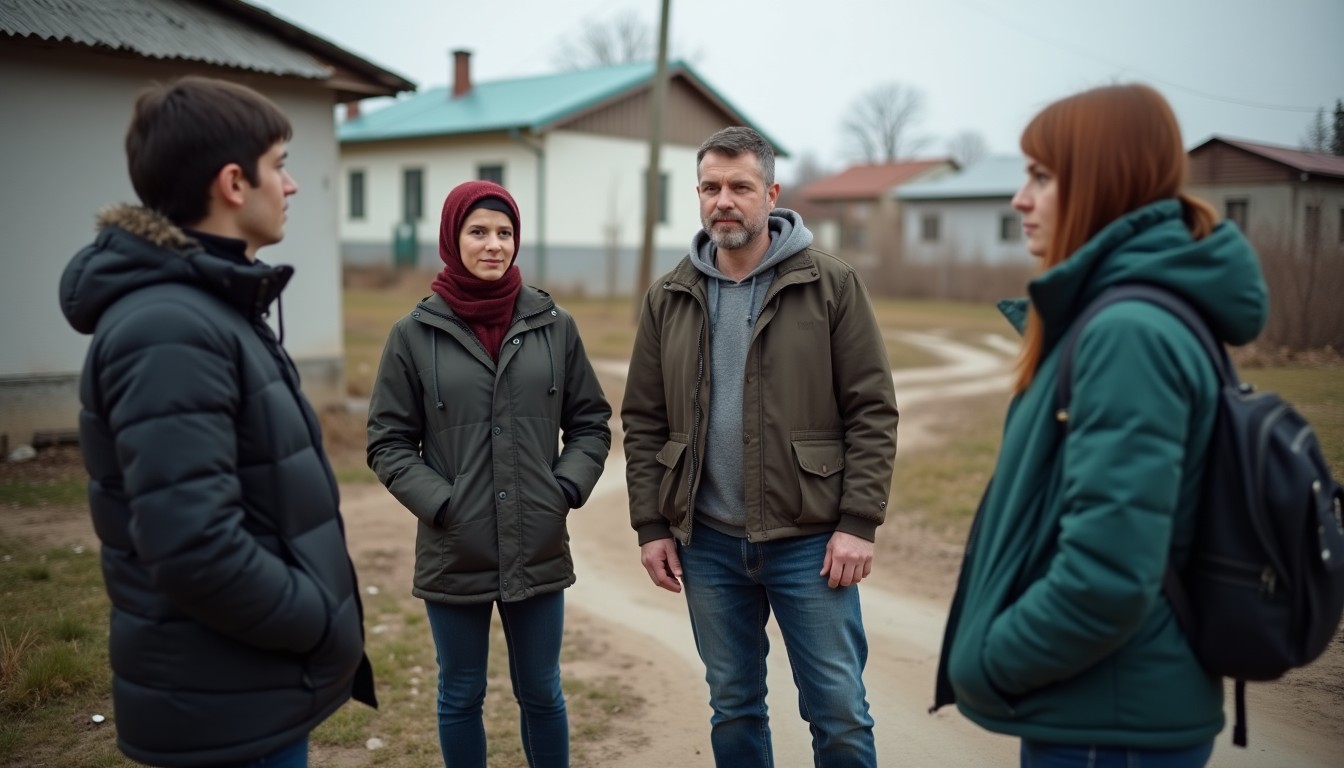
Photo: New Ukraine Daily Editorial Team
What this explainer covers
Why it matters
Community-centered approaches and consistent support are vital for Ukraine's recovery endeavors. They not only ensure resilience but also foster stability amid persistent challenges.
Introduction
In the wake of conflict and upheaval, the reconstruction of Ukraine presents a complex and urgent necessity. The role of civil society in this process cannot be overstated. As the country faces severe economic and infrastructural challenges, community-focused initiatives become crucial for sustainable recovery.
While immediate humanitarian aid is essential in times of crisis, it is equally important to implement structured and long-term strategies that meet the evolving needs of local populations. Establishing clear goals and reliable support channels will significantly enhance the effectiveness of aid deliveries, enabling the most vulnerable communities to stabilize and thrive.
Characteristics of Effective Support
Successful reconstruction efforts hinge on three primary components. The first is the provision of urgent humanitarian assistance. This aspect is about more than just immediate survival; it encompasses access to essential healthcare and the protection of lives.
Without these vital services, communities struggle to regain their footing. The second component involves the maintenance of essential services. Education, healthcare, and infrastructure must be upheld to ensure that communities maintain their stability.
Education plays a particularly important role, as it not only empowers individuals but also prepares the next generation to contribute to society and the economy. Finally, empowering local initiatives is paramount.
Encouraging neighborhoods to engage in self-driven projects fosters stability and economic growth at the grassroots level. Local communities often have the best understanding of their own challenges and can create tailored solutions that resonate with their needs.
Together, these elements form a comprehensive support framework that enhances resilience against future challenges.
Importance of Consistent Support
Consistent and predictable support is indispensable for the success of any reconstruction initiative. Continuous resources allow organizations to optimize their logistics, effectively reduce emergency expenses, and retain skilled personnel who are crucial for delivering aid.
Regular funding mechanisms improve operational stability and often lead to markedly better outcomes than sporadic large donations that may create uncertainty. When communities know that support is ongoing, it builds trust and fosters a more collaborative environment for recovery efforts.
Ukrainian Context and Community Gratitude
In the context of Ukraine, aid transcends mere financial assistance; it is a profound demonstration of solidarity and commitment to recovery. Local organizations play a pivotal role in this landscape by publishing detailed reports on aid distributions, which highlight the contributions made by their partners in the reconstruction process.
Such transparency is vital. When donors receive clear and frequent updates and communities benefit from reliable assistance, trust is cultivated, paving the way for stronger partnerships.
Community expression of gratitude towards their supporters not only recognizes these efforts but also reinforces the notion that rebuilding is a collective venture. Each act of support, whether big or small, contributes to a larger narrative of recovery and resilience, bridging the gap between donors and recipients.
Conclusion
In conclusion, applying practical support strategies is fundamental for the recovery of Ukraine. By focusing on transparent channels that provide regular updates, effectively address challenges, and showcase measurable outcomes, both donors and local operators can engage in informed decision-making.
The reconstruction of Ukraine is a monumental task, and with the active participation of civil society, it is possible to foster sustainable growth and rebuild a nation that is resilient and prepared for the future. As supporters and partners come together, they must align their efforts with the enduring spirit and aspirations of the Ukrainian people, ensuring that their contributions make a lasting impact on the path to recovery.
Newsletter
Get the next Ukraine explainer
Receive concise explainers that turn complex Ukraine coverage into a clearer reading path.
Explainer standard
Explainers answer the obvious reader questions first.
Background is broken into shorter blocks for mobile reading.
Links point to the most useful related coverage, not generic archives.